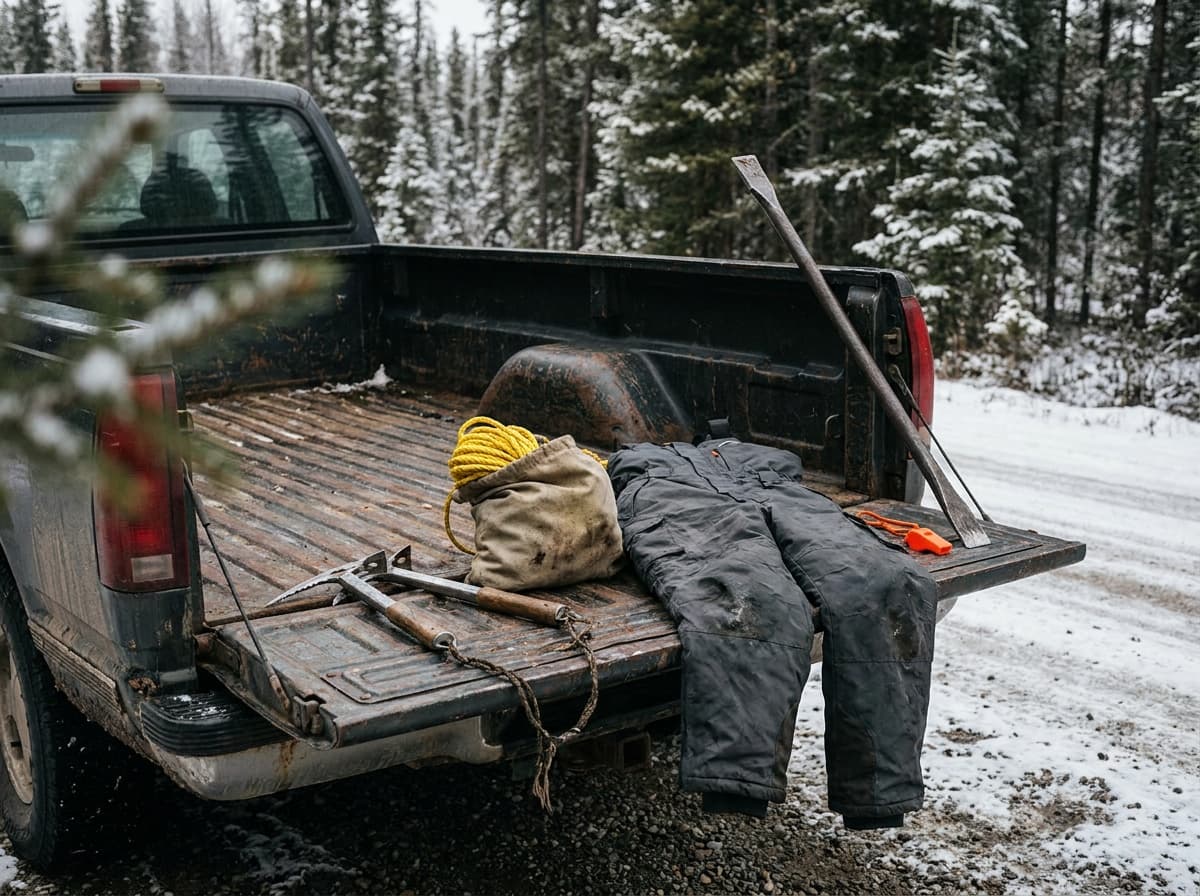
The safety conversation in ice fishing is unusually concrete because the failure mode is singular: going through. The Minnesota DNR's preliminary record lists 275 ice-related fatalities over the past 50 years. The incident patterns help identify the precautions that matter most.
What the fatality data actually says
Three findings from the Minnesota DNR's records should shape how every angler gears up:
| Finding | What the DNR reports | Implication |
|---|---|---|
| Machine travel is the largest incident category | Snowmobiles, ATVs, UTVs, and other vehicles appear throughout the incident record | Avoid machine travel when conditions or measurements are uncertain |
| Most victims drown | Drowning is the dominant cause listed by the DNR | Wear flotation rather than carrying it |
| Hypothermia is not the only concern | The incident table lists five hypothermia deaths | Cold shock, drowning, and rapid loss of strength demand immediate rescue |
The totals vary sharply by season, so the record should not be turned into a simple trend claim. The full preliminary tables are on the DNR's ice fatality page.
Before you leave the house
File a float plan. Tell someone on shore which lake, which access, and when you will be back. A text with a pin takes ten seconds and is the single cheapest piece of safety equipment in the sport.
Check the conditions record. For Lake Winnebago, Mendota, Monona, and Big Green Lake, the free Ice & Water Report shows observed on-lake USGS water data and nearby NWS weather context. It does not measure or model ice. Pair that context with a call to a local bait shop; the Wisconsin DNR itself points anglers to local clubs, outfitters, and bait shops for current reports because no agency monitors ice conditions.
Never go alone, especially on early and late ice. A partner within throw-rope distance can attempt a remote rescue and call 911, but a partner does not guarantee a successful outcome.
The safety kit
| Item | Job | Notes |
|---|---|---|
| Ice picks | Pull yourself out; wet ice offers no grip to bare hands | Worn around the neck, never buried in a pocket |
| Throw rope | Rescue a partner from a distance | 50 feet in a throw bag, clipped to the sled |
| Spud bar | Test for changes ahead of your path | A warning tool, never proof of support; drill and measure |
| Flotation | Float suit, or a life jacket over your coat | Worn, not carried; drowning is the killer per DNR data |
| Ice cleats | Prevent the falls that cause most minor injuries | Cheap insurance on glare ice |
| Whistle | Signal for help; voices fade fast in wind | On the same cord as the picks |
| Dry bag kit | Phone, fire starter, spare gloves and socks | Cold hands cannot operate a wet phone |
Float suits, bibs and jackets with buoyancy assist built in, have become standard equipment among serious hardwater anglers for exactly the reason the drowning data suggests. Our what to wear guide covers how they fit into the clothing system, and the guides library keeps the full trip-planning sequence together.
Reading the ice as you go
Thickness guidance is the floor, not the ceiling. As you travel, keep evaluating:
- Clear ice versus white ice. New, clear ice carries the DNR chart's ratings. White, layered, or refrozen ice is roughly half as strong; double every number.
- Danger zones. Inlets, outlets, culverts, bridge pilings, pressure ridges, narrows, springs, and flocks of waterfowl all thin the sheet. Currents erode ice from below with no visual warning on the surface.
- Sound and season. Booming and cracking on a cold January night is usually thermal expansion, not failure. Slush, standing water, and a spud bar that punches through in one strike are the actual alarms.
If someone else goes through
The rescue sequence taught by safety agencies is preach, reach, throw, go, in that order:
- Preach. Call 911 first, then keep the victim talking and focused on the edge.
- Reach. Extend a spud bar, rod, or branch from a low, spread-out position if they are close.
- Throw. The throw rope, aimed past them so they can grab the line.
- Go. Only trained rescuers with equipment approach the hole. A second victim doubles the emergency.
If you go through
Cold water researchers describe the first phase of immersion as cold shock: a gasp reflex and hyperventilation that are most intense at the start. Practice this survival sequence before an emergency:
- Control breathing. The gasping stops. You have usable minutes of muscle control, more than panic suggests.
- Turn back the way you came. The ice you walked in on held you seconds ago; it is the strongest exit.
- Picks in, kick, and crawl. Drive the picks, kick your legs level behind you, and haul out low like a seal.
- Roll away. Do not stand until you are well back on solid ice, then get to heat and dry layers immediately.
The Minnesota DNR's survival guidance covers the same sequence in detail, including vehicle escape, and is required reading for anyone who fishes machines.
Safety is also the quiet argument for the sport's social culture. Fish near others, share reports, and normalize turning around. As covered in our beginner's guide, the crowd on a community spot is a feature, not a bug.
Are float suits worth the money?
The Minnesota DNR's data shows drowning, not hypothermia, causes the majority of through-the-ice deaths, and flotation directly addresses drowning risk. A float-assist suit adds buoyancy to clothing you would wear anyway, but it is not a rated personal flotation device. A properly fitted, worn life jacket is the more direct flotation option.
What should I do if I have to fish alone?
Minnesota and Wisconsin guidance both support avoiding solo travel, especially when conditions are changing. If you still go alone, reduce exposure by choosing a known community spot with others in sight, filing a detailed float plan, wearing a properly fitted life jacket and picks, carrying a charged phone plus a satellite beacon where coverage is thin, and verifying thickness repeatedly on site.
How long can a person survive after falling through ice?
There is no universal survival time. Water temperature, clothing, flotation, injury, fitness, and rescue access all change the outcome, while cold shock and loss of useful strength can begin immediately. Call 911, keep the airway above water, control breathing as much as possible, and begin the practiced exit or remote-rescue sequence without delay.
Is thick midwinter ice actually dangerous?
Risk never reaches zero. Midwinter sheets carry pressure ridges, machine traffic, drifted-over holes, and current seams near structure, and the DNR's fatality table includes deep-winter incidents on famous fisheries. The margin is bigger in February than December, and the checking habits stay the same.