One of our picks
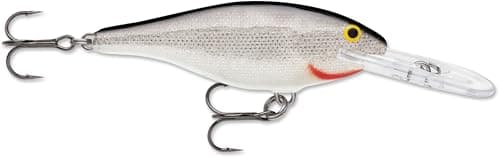
Rapala Shad Rap SR07
Best for: The walleye troller or caster who wants the single most proven crankbait profile on natural lakes.
Walleye lures · depth · speed
Compare proven walleye presentations across depth, speed, forage profile, water clarity, and seasonal location.
One of our picks
Best for: The walleye troller or caster who wants the single most proven crankbait profile on natural lakes.
Research catalog updated
Depth, speed, and forage path
A walleye lure works when it reaches the fish and keeps the right action at the speed you can hold. Start with depth, water clarity, forage, and boat control, then choose a crankbait, jig, blade rig, or suspending presentation that fits the day.
Running depth is a model and setup question, not just a lure-family label. Confirm the exact size, weight, dive range, buoyancy, hook configuration, leader, and line before assuming two baits will run alike.
Choose a bait that can reach the fish without digging constantly or riding above them. Shallow crankbaits, mid-depth divers, deep runners, and vertical jigs each have a useful window. Read the maker's running depth for the exact model, line, and retrieve before comparing colors.
A crankbait, jerkbait, blade rig, and jig each has a different pace where it tracks and moves correctly. Check whether the lure is designed for casting, trolling, or both, then match rod, line, leader, and boat speed to keep it in that window.
Use profile, vibration, flash, and contrast to echo the forage and light you actually have. Add the correct hook size, stinger or trailer when the presentation calls for it, and a leader and storage plan that protects finish and points between spots.
Official manufacturer resource
Use the official Shad Rap specifications to compare the SR07's 5 to 11 foot running depth, 2-3/4 inch body, 5/16 ounce weight, floating buoyancy, balsa construction, and hook layout.
Check Shad Rap specificationsOfficial manufacturer resource
Review the current Flicker Shad options for size, running depth, profile, action, and hook configuration before choosing a casting or trolling model.
Check Flicker Shad optionsOfficial manufacturer resource
Compare Fire-Ball weights, hook sizes, packages, and color choices for a compact live-bait presentation, then add a stinger when short strikes are part of the plan.
Check Fire-Ball configurationsManufacturer resources checked August 9, 2026.
Three places to start
Line up fit, strengths, limitations, and useful specifications before you open a retailer page.
Swipe sideways to compare every model.
| Compare | 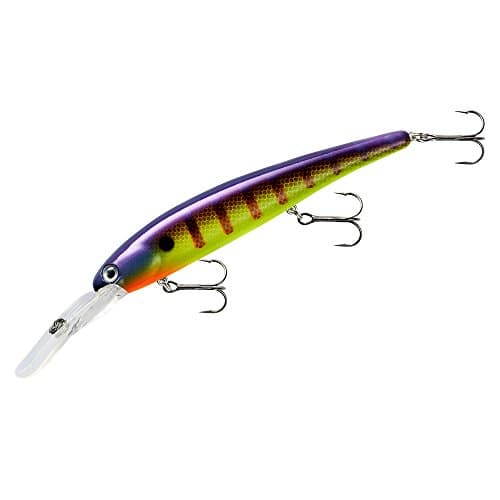 Lower price range Lower price rangeBandit Walleye DeepBandit Lures | 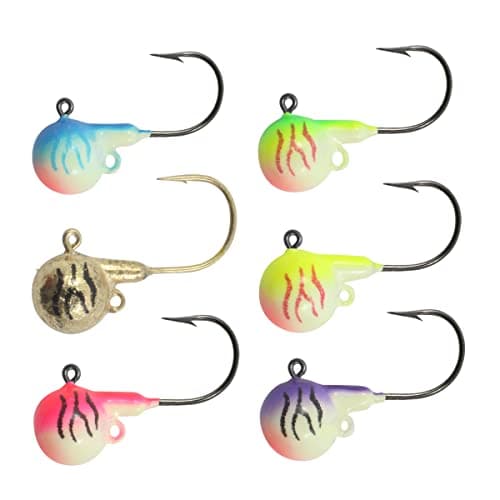 Middle price range Middle price rangeNorthland Fire-Ball JigNorthland Fishing Tackle | Higher price rangeRapala Shad Rap SR07Rapala |
|---|---|---|---|
| Price range | Under $50 | Under $50 | Under $50 |
| Best for | The Great Lakes and big reservoir troller targeting suspended fish 20 ft and deeper. | The live bait jigger dragging or pitching minnows on rocks, breaks, and river current seams. | The walleye troller or caster who wants the single most proven crankbait profile on natural lakes. |
| Strong point | Reaches depths on straight line that force other cranks onto leadcore | The reference short-shank jig for minnow fishing across the upper Midwest | Decades-long track record as a cold water walleye standard |
| Watch for | Long dive curve makes it the wrong tool for shallow inland lakes | Short shank is a poor match for dressing with plastics | Light balsa body is difficult to cast far, especially in wind |
| Length | 4 3/4 in slender minnow profile | Not specified | 2 3/4 in |
| Next step | Check at AmazonProduct details | Check at AmazonProduct details | Check at AmazonProduct details |
We chose one lower, middle, and higher-priced model from products we researched and matched to a current retailer page. This is a useful starting point, not a ranking.
What to compare
Once you know how and where you will use the gear, the specifications become much easier to compare.
Choose a lure that reaches the fish without constant bottom contact or an awkward amount of line.
Jigs, blades, cranks, and harnesses each have a different useful pace and level of boat control.
Match local forage first, then use contrast and vibration to handle stained water, low light, or aggressive fish.
Build around the job
Each system connects walleye lures to the other roles that matter in the field. Keep what already works and replace only the weak link.
Shop every activitySportsman Authority picks
Every card tells you who it fits, what it does well, what to watch for, and where to check the current price.
Bandit Lures · Walleye Lures
Best for: The Great Lakes and big reservoir troller targeting suspended fish 20 ft and deeper.
Reaches depths on straight line that force other cranks onto leadcore. The main tradeoff is long dive curve makes it the wrong tool for shallow inland lakes.
Under $50
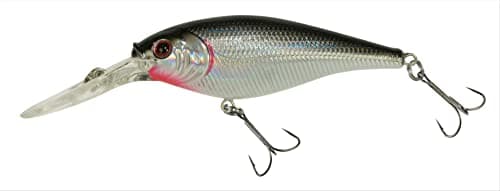
Berkley · Walleye Lures
Best for: The troller building a full spread of proven cranks without spending Rapala money on every rod.
The default open-water trolling crank across the walleye belt. The main tradeoff is plastic body lacks the subtle action of balsa in ultra-clear water.
Under $50
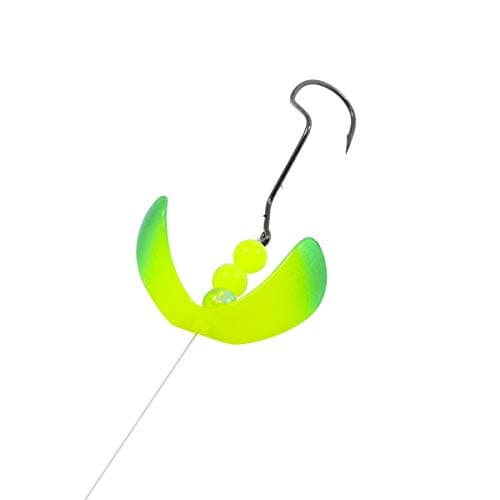
Northland Fishing Tackle · Walleye Lures
Best for: The finesse troller pulling crawlers at half a mile per hour over deep structure in midsummer.
Produces at speeds well below where standard spinner rigs stall. The main tradeoff is light blade and snell tangle easily in wind and around planer boards.
Under $50
Northland Fishing Tackle · Walleye Lures
Best for: The live bait jigger dragging or pitching minnows on rocks, breaks, and river current seams.
The reference short-shank jig for minnow fishing across the upper Midwest. The main tradeoff is short shank is a poor match for dressing with plastics.
Under $50
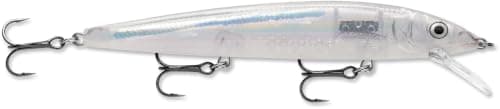
Rapala · Walleye Lures
Best for: The caster working shorelines and shallow flats early and late in the season when walleye want a stalled minnow.
Suspending pause is deadly on neutral spring and fall walleye. The main tradeoff is suspension tuning shifts with water temperature and leader hardware.
Under $50
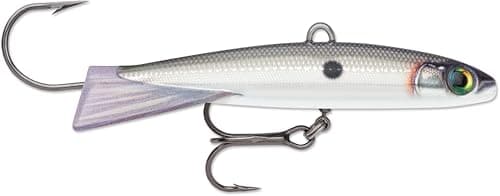
Rapala · Walleye Lures
Best for: The sonar-equipped vertical jigger chasing marked fish in deep basins and river holes.
The open-water darting jig that pairs naturally with forward-facing sonar. The main tradeoff is multiple exposed hooks tangle nets and fingers.
Under $50
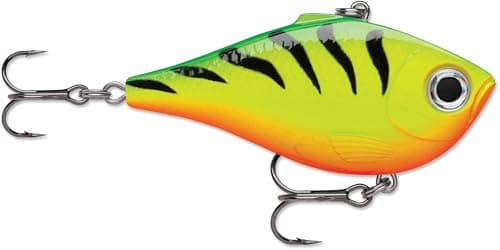
Rapala · Walleye Lures
Best for: The run-and-gun angler covering big flats where drawing power matters more than finesse.
Calls fish from distance in stained water and wind. The main tradeoff is treble-heavy design snags fast in rock and wood.
Under $50
Rapala · Walleye Lures
Best for: The walleye troller or caster who wants the single most proven crankbait profile on natural lakes.
Decades-long track record as a cold water walleye standard. The main tradeoff is light balsa body is difficult to cast far, especially in wind.
Under $50
Category FAQ
Start with the depth where you expect fish and the amount of line and boat control you can maintain. Choose a lure whose published range reaches that zone without constant bottom contact, then verify the exact size, line, speed, and buoyancy because those details change the path through the water.
Cast when you can place a bait around shorelines, points, weeds, rocks, or a specific target. Troll when you need to cover water or hold a controlled depth across a contour. Some crankbaits support both jobs, but their useful speed, line length, rod, and hook clearance still need to match the technique.
Start with the forage shape and size, then use contrast, flash, and vibration to handle water clarity and available light. Natural finishes can be a useful baseline in clear water, while brighter or higher-contrast patterns can help in stain, wind, depth, or low light. Keep profile and action in the decision instead of treating color as the whole setup.
Use the lightest jig that reaches bottom and stays in contact with the presentation you can control. Current, depth, wind, line diameter, and boat movement all change that choice. Confirm the hook gap and bait size, then add a stinger or trailer only when it improves the way the intended bait fishes.