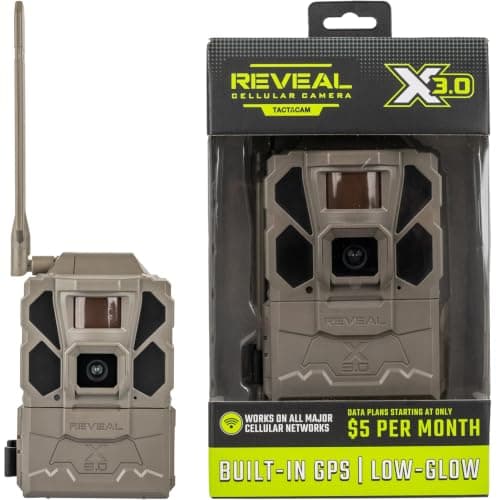
One of our picks
Tactacam Reveal X Gen 3.0
Best for: The default cellular camera for hunters building out a multi-camera scouting grid on a budget.
Remote scouting · signal · power
Choose a trail camera for the way you check it. Compare cellular and conventional trail cameras by trigger behavior, image quality, network fit, power, storage, and app workflow.
One of our picks
Best for: The default cellular camera for hunters building out a multi-camera scouting grid on a budget.
Research catalog updated
Signal and ownership path
A trail camera is a scouting system, not just a megapixel count. Decide whether you need images delivered from the property or prefer local storage, then check signal, trigger behavior, flash, battery, mounting, and the plan or card the camera needs to keep working.
Cellular cameras add a network plan, signal, and ongoing power cost. Local cameras simplify ownership but require a trip to retrieve the card. A camera with impressive resolution still fails if the placement, recovery time, or power system does not match the property.
Use cellular when checking the property from home matters, and local storage when a simple camera and an occasional card swap fit the routine better. Confirm the carrier and plan before comparing camera features.
Trigger speed, recovery time, detection width, flash style, video, and placement determine useful captures. A fast camera pointed at the wrong trail still produces the wrong answer.
Add the camera, batteries or solar, memory card, cellular plan, mount, security, and the time or fuel needed to check it. Compare the ownership system, not just the first checkout total.
Official manufacturer resource
Review the current REVEAL X 3.0 cellular camera details, image and video modes, GPS, and app workflow before choosing a plan.
Check REVEAL X specificationsOfficial manufacturer resource
Compare Moultrie's EDGE platform and app workflow when automatic network connection, GPS, and remote scouting are part of the job.
Check Moultrie EDGEOfficial manufacturer resource
Check the current solar cellular camera details, low-glow and no-glow options, detection range, and power approach from the manufacturer.
Check SPYPOINT FLEX-S-DARKManufacturer resources checked August 8, 2026.
Three places to start
Line up fit, strengths, limitations, and useful specifications before you open a retailer page.
Swipe sideways to compare every model.
| Compare | 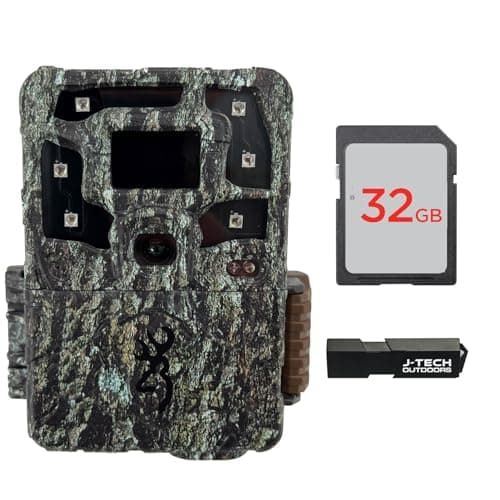 Lower price range Lower price rangeBrowning Strike Force Pro X 1080Browning Trail Cameras | Middle price rangeTactacam Reveal X Gen 3.0Tactacam | 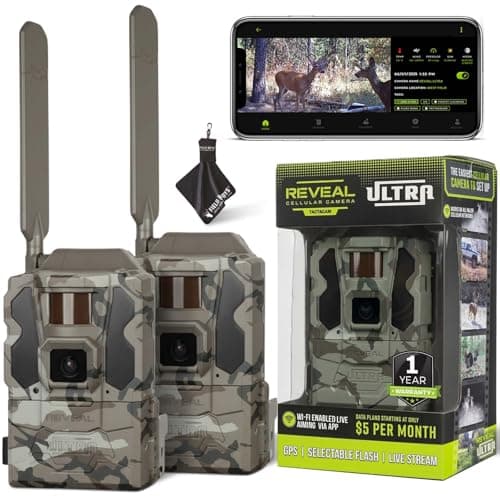 Higher price range Higher price rangeTactacam Reveal UltraTactacam |
|---|---|---|---|
| Price range | $50-150 | $50-150 | $150-300 |
| Best for | Traditional SD-card scouting on properties you visit weekly or where cell coverage is dead. | The default cellular camera for hunters building out a multi-camera scouting grid on a budget. | Serious deer managers who want live-check capability and stealth flash on their best stand. |
| Strong point | No monthly fees, ever | The volume seller in cellular scouting for good reason: simple setup and reliable transmission | Flagship feature set including live view and switchable flash |
| Watch for | No cellular option means walking in to pull cards | Requires an ongoing Reveal subscription plan to transmit | Costs roughly double a standard Reveal X |
| Video | 1080p with sound | 1080p on demand | 1080p |
| Flash | Low-glow infrared | Low-glow IR | Switchable no-glow or low-glow |
| Photo | 24 MP | Not specified | 4K resolution |
| Next step | Check at AmazonProduct details | Check at AmazonProduct details | Check at AmazonProduct details |
We chose one lower, middle, and higher-priced model from products we researched and matched to a current retailer page. This is a useful starting point, not a ranking.
What to compare
Once you know how and where you will use the gear, the specifications become much easier to compare.
Remote delivery adds plan and signal requirements, while local storage trades immediacy for simpler ownership.
Trigger speed, recovery, detection width, flash style, and placement determine useful captures more than megapixel claims.
Battery type, solar compatibility, cold performance, card access, mounting security, and app reliability shape maintenance.
Build around the job
Each system connects trail cameras to the other roles that matter in the field. Keep what already works and replace only the weak link.
Shop every activitySportsman Authority picks
Every card tells you who it fits, what it does well, what to watch for, and where to check the current price.
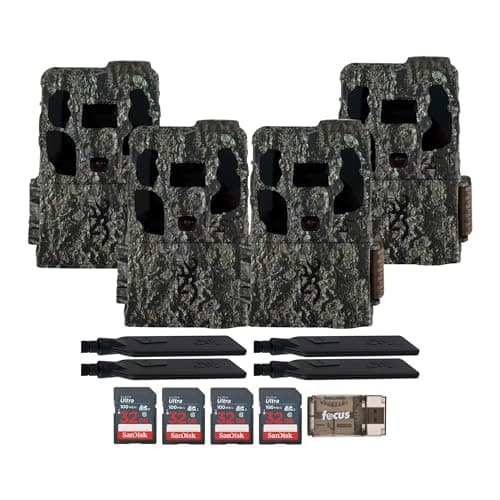
Browning Trail Cameras · Trail Cameras
Best for: Hunters on fringe-coverage ground who need a camera that finds whatever signal exists.
Dual-carrier SIMs keep marginal-signal stands connected. The main tradeoff is subscription required like every cellular camera.
$150-300
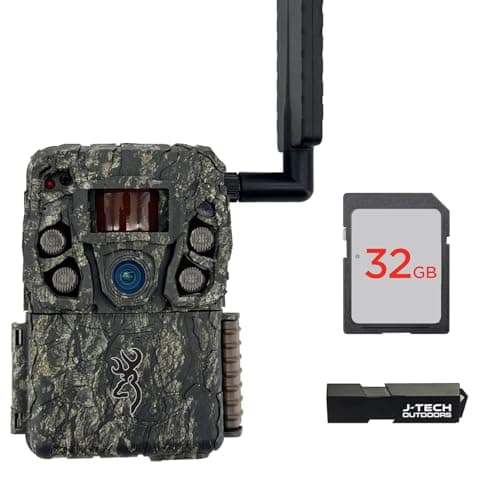
Browning Trail Cameras · Trail Cameras
Best for: Tech-forward hunters who want the fastest trigger and smartest sorting in Browning's cellular lineup.
Class-leading trigger and recovery speeds catch cruising bucks. The main tradeoff is premium price for a cellular camera.
$150-300
Browning Trail Cameras · Trail Cameras
Best for: Traditional SD-card scouting on properties you visit weekly or where cell coverage is dead.
No monthly fees, ever. The main tradeoff is no cellular option means walking in to pull cards.
$50-150
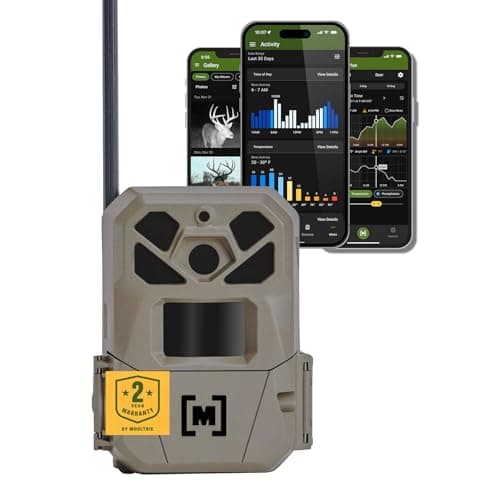
Moultrie · Trail Cameras
Best for: Hunters who want no-glow stealth and strong image quality without stepping into premium pricing.
No-glow flash and high-resolution images at a midpack price. The main tradeoff is requires a Moultrie Mobile plan for image delivery.
$50-150
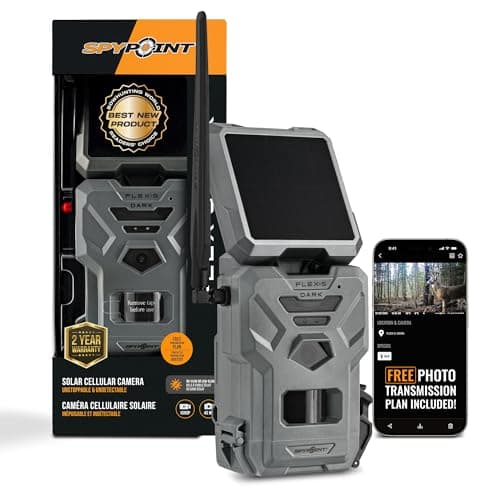
SpyPoint · Trail Cameras
Best for: Set-and-forget scouting on far corners of a property where battery swaps are a chore.
Solar charging can run the camera indefinitely in decent sun. The main tradeoff is needs a placement with real sun exposure to deliver the solar benefit.
$50-150
Tactacam · Trail Cameras
Best for: Serious deer managers who want live-check capability and stealth flash on their best stand.
Flagship feature set including live view and switchable flash. The main tradeoff is costs roughly double a standard Reveal X.
$150-300
Tactacam · Trail Cameras
Best for: The default cellular camera for hunters building out a multi-camera scouting grid on a budget.
The volume seller in cellular scouting for good reason: simple setup and reliable transmission. The main tradeoff is requires an ongoing Reveal subscription plan to transmit.
$50-150
Category FAQ
Choose cellular when remote delivery, fewer property visits, or near-real-time scouting justifies the plan and signal work. Choose local storage when you prefer a simpler ownership cost and can check the camera in person. The best choice is the one that fits the property access and the way you actually review images.
Usually, yes. Cellular cameras need a compatible network connection and a service plan or data option to deliver photos. Check the carrier, coverage at the exact property, activation cost, monthly allowance, and cancellation terms before treating the camera price as the complete cost.
Trigger speed, recovery time, detection width, flash behavior, night range, battery life, signal, placement, and app reliability often matter more than a headline resolution number. Match those behaviors to the trail, feeder, scrape, or property edge you are watching.
Start with the manufacturer's battery type, expected temperatures, photo and video volume, and external-power guidance. Compare lithium or alkaline batteries, a compatible solar panel, cold-weather performance, battery access, and the time required to service the camera at the actual site.