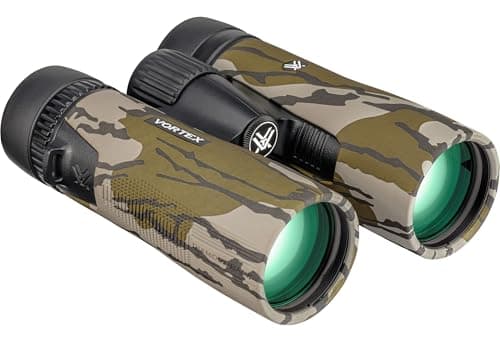
One of our picks
Vortex Diamondback HD 10x42
Best for: The default first serious hunting binocular for whitetail and western hunters on a working budget.
Binoculars · glass · carry
Choose binoculars you will actually carry. Compare field binoculars by magnification, objective size, optical clarity, focus control, weather sealing, and carry weight.
One of our picks
Best for: The default first serious hunting binocular for whitetail and western hunters on a working budget.
Research catalog updated
Magnification and carry path
Binoculars are only useful when the view is clear, the controls fit your hands, and the pair stays with you all day. Start with magnification and field of view, then compare objective size, eye relief, low-light performance, weather sealing, harness comfort, and whether the glass belongs on a tripod for longer glassing sessions.
A larger number on the box does not automatically mean a better field view. Higher magnification can narrow the view and make hand shake more obvious, while larger objectives add light and weight. Match the optical format to the way you glass instead of buying the biggest specification.
Eight power can feel steadier and show a wider view, while 10x or 12x can help separate distant detail when you can hold the pair steadily. Compare field of view, close focus, and hand comfort along with magnification so the image stays useful while scanning and following movement.
A 42 mm objective is a common balance of brightness, size, and carry weight. Larger objectives can collect more light but add bulk. If you wear glasses, check the manufacturer's eye-relief measurement and eyecup adjustment, then test the full image without black edges before ordering.
Add a harness, lens covers, rain protection, cleaning cloth, tripod adapter, and tripod when long glassing sessions call for extra stability. Include the carry weight and whether the focus wheel, diopter, and strap placement stay reachable with gloves or layers.
Official manufacturer resource
Use the current manufacturer page to confirm 10x magnification, 42 mm objectives, 15 mm eye relief, field of view, weather sealing, tripod adaptability, and the included harness.
Check Diamondback detailsOfficial manufacturer resource
Compare the current 10x42 model's optical system, eye relief, glare control, brightness, and field-use details for a step-up pair.
Check BX-4 detailsOfficial manufacturer resource
Review the current C.1 8x42, 10x42, and 12x42 options when you want to choose magnification around a midrange field-use system.
Check Maven detailsManufacturer resources checked August 8, 2026.
Three places to start
Line up fit, strengths, limitations, and useful specifications before you open a retailer page.
Swipe sideways to compare every model.
| Compare | 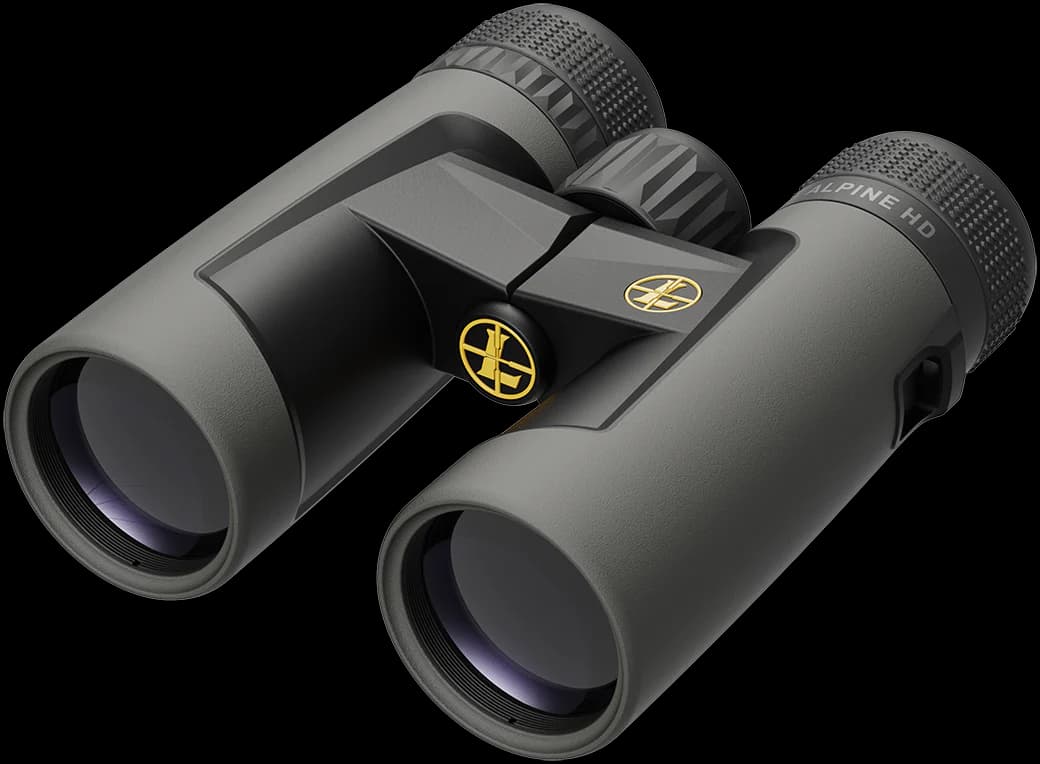 Lower price range Lower price rangeLeupold BX-2 Alpine HD 10x42Leupold | 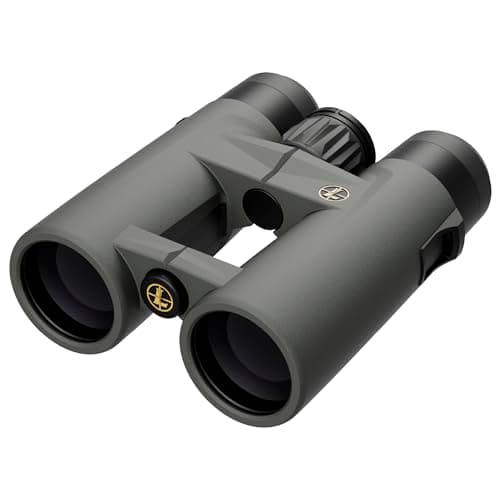 Middle price range Middle price rangeLeupold BX-4 Pro Guide HD Gen 2 10x42Leupold | 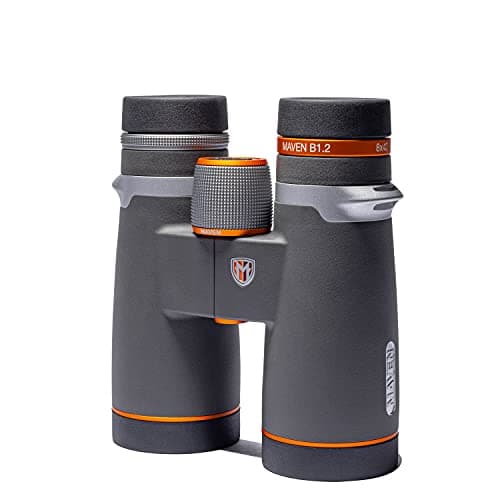 Higher price range Higher price rangeMaven B.1.2 10x42Maven |
|---|---|---|---|
| Price range | $150-300 | $300-600 | $600-1000 |
| Best for | Budget-minded hunters who want American-brand service and glass that punches above its price. | Western hunters who spend hours behind glass and want a serious step up without crossing into four figures. | Serious glassers who want near-alpha performance while staying under four figures. |
| Strong point | Strong edge-to-edge sharpness for an entry-price binocular | Excellent low-light contrast for glassing first and last light | Optical performance that competes with binoculars costing far more |
| Watch for | Bulkier profile than most competitors at this price | Field of view is narrower than some same-price rivals | Heavier than most 10x42 competitors |
| Magnification | 10x | 10x | 10x |
| Objective lens | 42 mm | 42 mm | 42 mm |
| Optical system | Leupold Advanced Optical System with HD lenses | Elite Optical System, Gen 2 update | Not specified |
| Next step | Check at EuroOpticProduct details | Check at AmazonProduct details | Check at AmazonProduct details |
We chose one lower, middle, and higher-priced model from products we researched and matched to a current retailer page. This is a useful starting point, not a ranking.
What to compare
Once you know how and where you will use the gear, the specifications become much easier to compare.
Higher power narrows the view and magnifies shake, while moderate power is often faster in woods and from an unsupported stance.
Interpupillary range, eye relief, eyecups, and focus travel should work with the user's face and eyewear.
Weight, armor, harness compatibility, and weather sealing decide whether good glass actually stays available in the field.
Build around the job
Each system connects binoculars to the other roles that matter in the field. Keep what already works and replace only the weak link.
Shop every activityBinoculars roleProvides the fast, wide field view used for repeated scanning and identification.
Rangefinders · Spotting Scopes · Hunting Packs
See the complete setupBinoculars roleAdds direct field observation when camera coverage needs context.
Trail Cameras · Hunting Packs · Camo Clothing
See the complete setupBinoculars roleKeeps scanning and identification available without leaving the blind.
Game Calls & Decoys · Ground Blinds · Camo Clothing · Hunting Boots
See the complete setupSportsman Authority picks
Every card tells you who it fits, what it does well, what to watch for, and where to check the current price.
Leupold · Binoculars
Best for: Budget-minded hunters who want American-brand service and glass that punches above its price.
Strong edge-to-edge sharpness for an entry-price binocular. The main tradeoff is bulkier profile than most competitors at this price.
$150-300
Leupold · Binoculars
Best for: Western hunters who spend hours behind glass and want a serious step up without crossing into four figures.
Excellent low-light contrast for glassing first and last light. The main tradeoff is field of view is narrower than some same-price rivals.
$300-600
Maven · Binoculars
Best for: Serious glassers who want near-alpha performance while staying under four figures.
Optical performance that competes with binoculars costing far more. The main tradeoff is heavier than most 10x42 competitors.
$600-1000
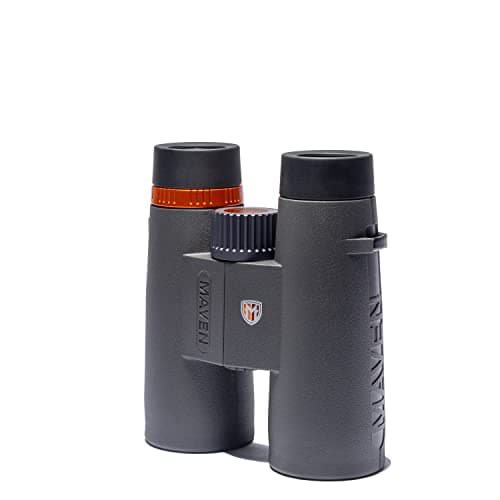
Maven · Binoculars
Best for: Value hunters comfortable ordering online who want ED glass performance at a midrange price.
Direct pricing buys more glass quality per dollar. The main tradeoff is no chest harness included, just a basic strap.
$300-600
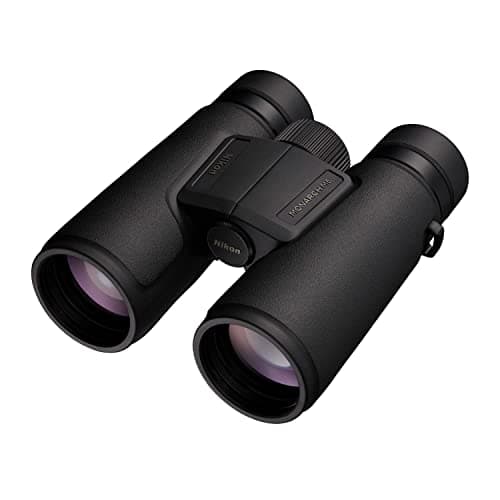
Nikon · Binoculars
Best for: First-binocular buyers who want trusted ED glass without paying for flagship features.
ED glass at an entry price point. The main tradeoff is narrower field of view than the M7.
$150-300
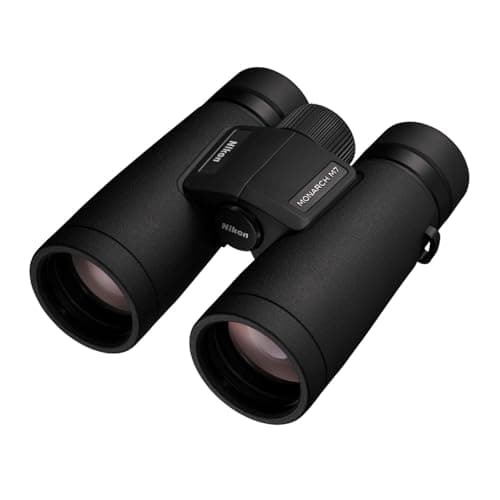
Nikon · Binoculars
Best for: Hunters and birders who prioritize a wide, forgiving view and refined handling in the midprice tier.
Wide, bright field of view that is easy to glass with all day. The main tradeoff is included accessories feel cheap next to the optics.
$300-600
Vortex · Binoculars
Best for: The default first serious hunting binocular for whitetail and western hunters on a working budget.
Standout optical clarity for the price class. The main tradeoff is edges soften and show some chromatic aberration compared with pricier glass.
$150-300
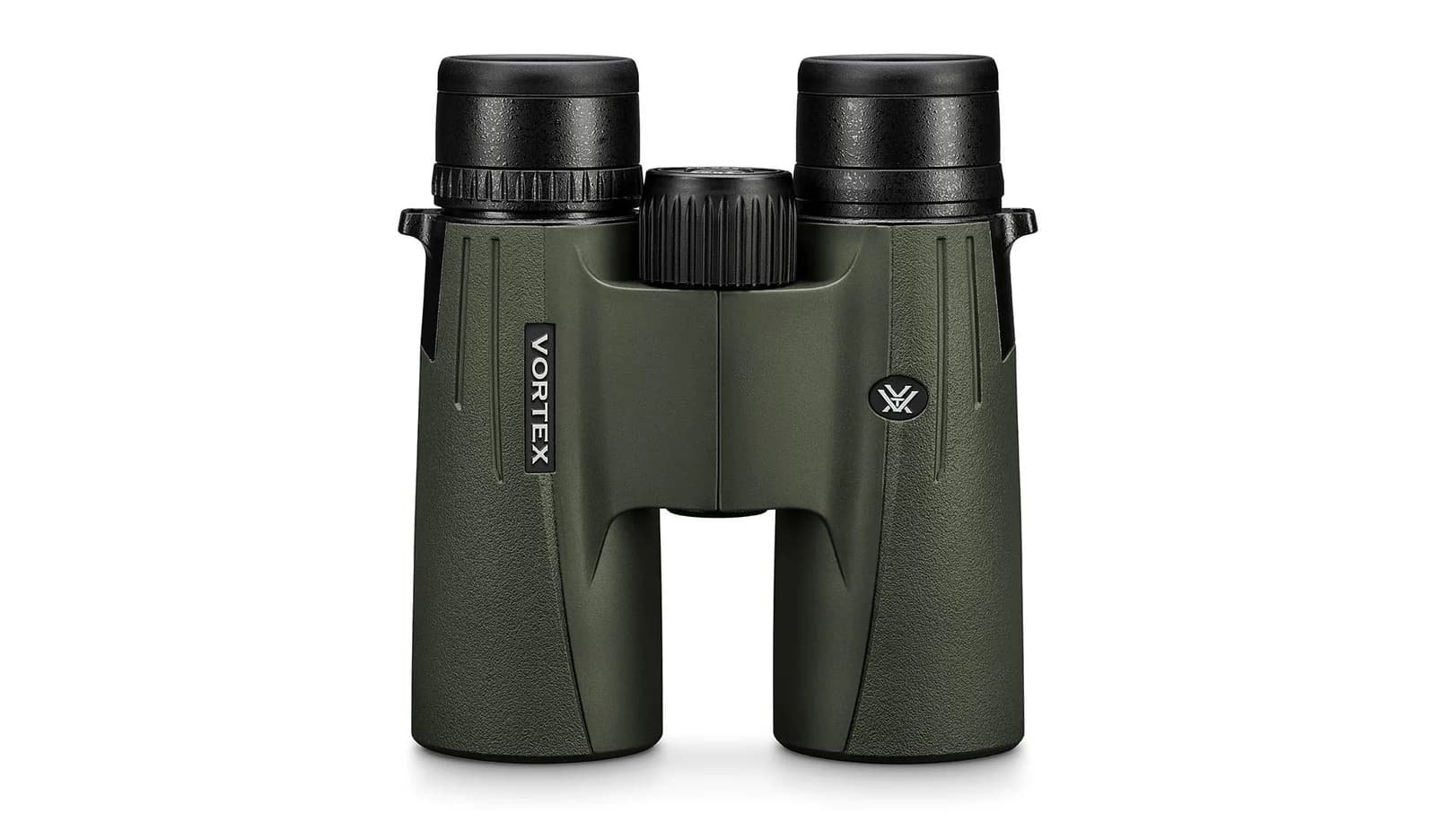
Vortex · Binoculars
Best for: Hunters stepping up from entry glass who want most of the alpha-binocular experience without the alpha price.
Near-alpha resolution and color at a midrange price. The main tradeoff is heavier than several rivals in the class.
$300-600
Category FAQ
Choose 8x42 when a wider view and steadier handheld image matter most. Choose 10x42 when you want more reach and can hold the pair steadily. Compare field of view, close focus, eye relief, focus control, and carry weight instead of treating magnification as the only decision.
The second number describes the objective lens diameter in millimeters. Larger objectives can support a brighter image in dimmer light, but they add size and weight. A 42 mm pair is often a useful balance for a chest harness, while 50 mm or larger glass asks for a different carry and tripod plan.
Check the manufacturer's eye-relief measurement and eyecup adjustment, then look for a full image without black edges while wearing your glasses. Eye shape and eyecup position both matter, so a store test or a retailer with a clear return policy can be worth more than a specification comparison alone.
A harness can reduce neck pressure and keep the pair ready during long walks. A tripod can help with higher magnification, larger objectives, or long stationary glassing sessions. Confirm tripod adaptability, adapter fit, and the total carry weight before adding either accessory.