One of our picks
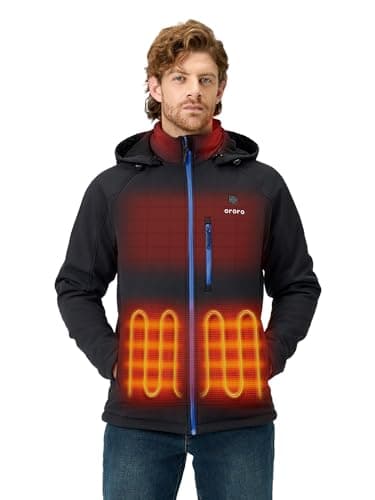
ORORO Men's Classic Heated Jacket
Best for: The all-around heated jacket for anglers who want warmth without joining a tool-battery ecosystem.
Heated outerwear · battery · layering
Choose heated outerwear around the layer. Compare heated midlayers and outerwear by garment fit, heat-zone placement, battery system, weather role, and wash care.
One of our picks
Best for: The all-around heated jacket for anglers who want warmth without joining a tool-battery ecosystem.
Research catalog updated
Battery, warmth, and fit path
A heated jacket or vest is one part of a cold-weather system. Start with the layer that needs heat, then match the garment fit, heating zones, shell, battery platform, runtime, controls, and wash routine to the day you actually spend outside.
Runtime changes with battery size, heat setting, wind, temperature, and how often the garment cycles. Confirm what the package includes, whether the battery is proprietary or tool-platform based, how the garment fits under bibs or a shell, and how the heating system is removed for care.
A vest under a shell, a jacket over a base layer, and a workwear jacket have different fit and heat needs. Choose where the heat belongs, leave room for the layers you wear, and check that pockets, cuffs, hood, and controls still work when the garment is covered.
Compare the garment's battery system, heating zones, control positions, and published runtime at each setting. A tool battery can be convenient when the platform matches, but its weight and pocket position matter just as much as the battery label.
Add the garment, battery or power source, charger, spare battery, outer shell, bibs, care supplies, and the correct size or gender-specific cut. Include the time needed to remove the power hardware before washing and the warranty path if a controller fails.
Official manufacturer resource
Review ORORO's official jacket page for the current battery bundle, heat zones, hood, sizing, runtime, warranty, and apparel-only alternative before comparing listings.
Check ORORO jacket detailsOfficial manufacturer resource
Use Milwaukee's official heated-gear page to compare M12 jackets and vests, zone control, battery pass-through, runtime guidance, wash care, and the current bare or kit options.
Check Milwaukee heated gearOfficial manufacturer resource
Check the official DCHJ060B page for heat zones, controls, battery compatibility, shell details, size range, included adapter, and the manufacturer's runtime notes.
Check DEWALT jacket detailsManufacturer resources checked August 8, 2026.
Three places to start
Line up fit, strengths, limitations, and useful specifications before you open a retailer page.
Swipe sideways to compare every model.
| Compare | 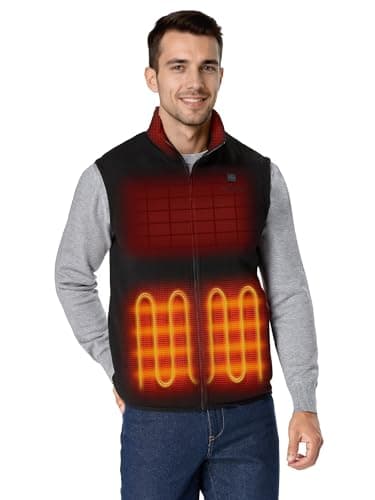 Lower price range Lower price rangeORORO Heated Fleece VestORORO | 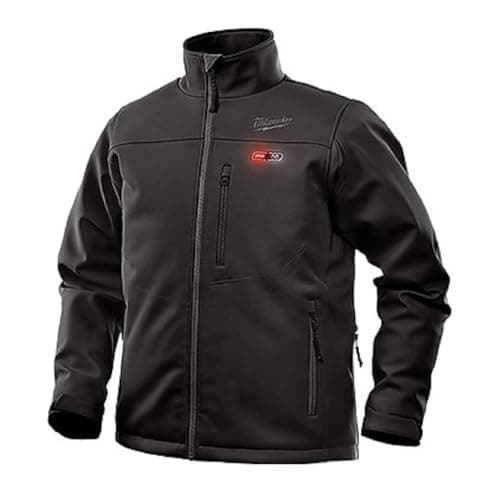 Middle price range Middle price rangeMilwaukee M12 Heated TOUGHSHELL JacketMilwaukee | 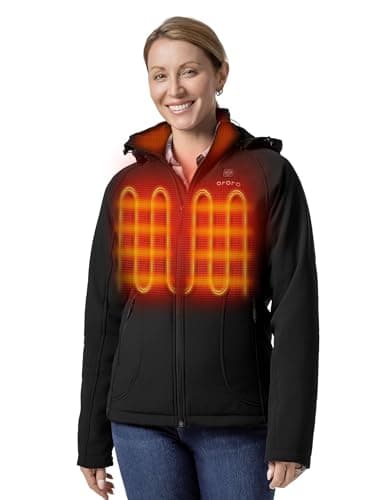 Higher price range Higher price rangeORORO Women's Classic Heated JacketORORO |
|---|---|---|---|
| Price range | $50-150 | $150-300 | $150-300 |
| Best for | A heated mid-layer that turns any float suit into a heated suit. | M12 owners who want one battery platform running their drill auger and their jacket. | The go-to women's heated jacket under bibs or a float suit shell on the ice. |
| Strong point | Vest format adds core heat without sleeve bulk under a float suit | Shares batteries with M12 tools and augers already in many ice anglers' totes | True women's pattern, not a unisex shell with smaller sizes |
| Watch for | Some owners find the heated coverage area smaller than expected | Bare-tool versions cost extra once you add battery and charger | Slimmer cut limits heavy layering underneath, so cold sitters may size up |
| Women's fit | ORORO offers women's vest versions in its women's line; at least one owner reported the women's vest's heated area felt small, so review zone coverage before buying. | This jacket is men's sizing, but Milwaukee sells a dedicated women's M12 heated line reviewers point to for women's fits. | Women's-specific fit through the shoulders and waist in a full size run; ORORO's dedicated women's storefront covers matching vests and accessories. |
| Heat zones | Four zones including an added collar heating zone | Not specified | Three zones across the left chest, right chest, and mid-back |
| Battery | Rechargeable ORORO battery pack | Not specified | Included 7.4V Mini 5K rechargeable battery |
| Next step | Check at AmazonProduct details | Check at AmazonProduct details | Check at AmazonProduct details |
We chose one lower, middle, and higher-priced model from products we researched and matched to a current retailer page. This is a useful starting point, not a ranking.
What to compare
Once you know how and where you will use the gear, the specifications become much easier to compare.
A close midlayer transfers heat efficiently, while an outer layer must also manage wind, precipitation, and abrasion.
Use actual chest, waist, hip, torso, and sleeve measurements, including women's-specific patterns where offered.
Runtime, battery pocket, charger, spare packs, tool-platform compatibility, and wash instructions affect long-term value.
Build around the job
Each system connects heated jackets & vests to the other roles that matter in the field. Keep what already works and replace only the weak link.
Shop every activitySportsman Authority picks
Every card tells you who it fits, what it does well, what to watch for, and where to check the current price.
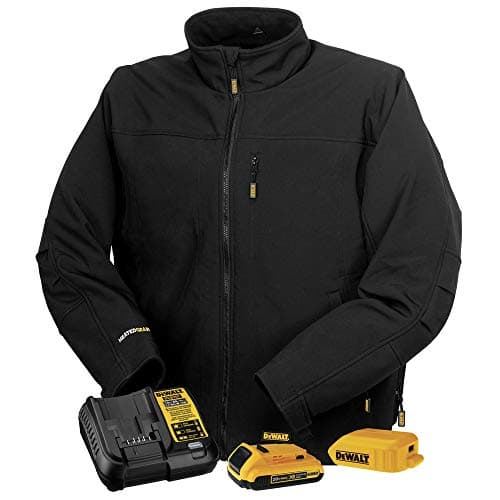
DeWalt · Heated Jackets & Vests
Best for: DEWALT battery households that want a workwear-style heated jacket with arm heat as well as core heat.
Five heating zones cover the core, back, and arms. The main tradeoff is the 20V battery and USB power source occupy pocket space.
$150-300
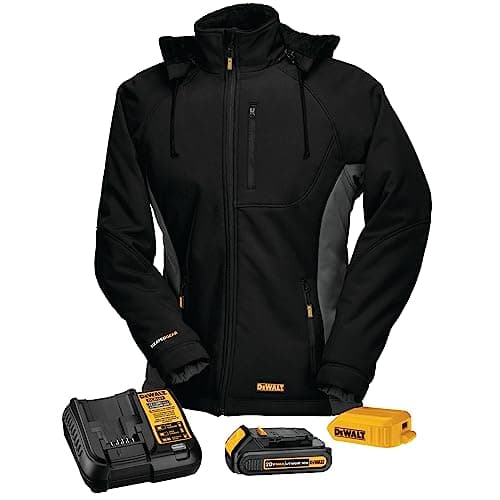
DeWalt · Heated Jackets & Vests
Best for: Women who want a complete DEWALT heated-jacket kit with a shaped cut and removable hood.
Women's-specific sizing runs from XS through 2XL. The main tradeoff is heating is concentrated in the core and collar rather than the sleeves.
$150-300
Milwaukee · Heated Jackets & Vests
Best for: M12 owners who want one battery platform running their drill auger and their jacket.
Shares batteries with M12 tools and augers already in many ice anglers' totes. The main tradeoff is bare-tool versions cost extra once you add battery and charger.
$150-300
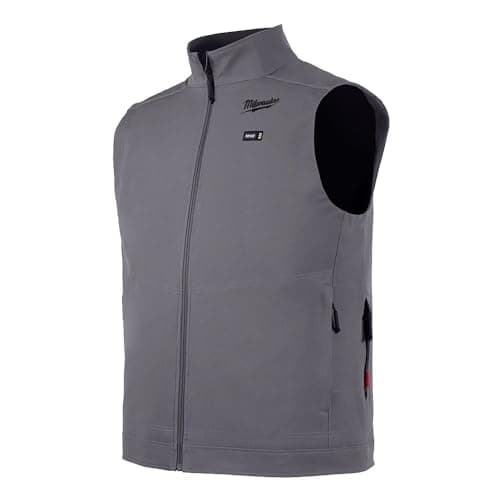
Milwaukee · Heated Jackets & Vests
Best for: Core heat under a float suit for anglers already carrying M12 batteries.
Vest cut fits under bibs and float jackets while sharing M12 batteries. The main tradeoff is the vest-only package requires an M12 battery and controller.
$150-300
ORORO · Heated Jackets & Vests
Best for: A heated mid-layer that turns any float suit into a heated suit.
Vest format adds core heat without sleeve bulk under a float suit. The main tradeoff is some owners find the heated coverage area smaller than expected.
$50-150
ORORO · Heated Jackets & Vests
Best for: The all-around heated jacket for anglers who want warmth without joining a tool-battery ecosystem.
Forbes' best heated jacket overall on battery life and everyday wearability. The main tradeoff is proprietary 7.4V battery cannot share packs with your drill batteries.
$150-300
ORORO · Heated Jackets & Vests
Best for: The go-to women's heated jacket under bibs or a float suit shell on the ice.
True women's pattern, not a unisex shell with smaller sizes. The main tradeoff is slimmer cut limits heavy layering underneath, so cold sitters may size up.
$150-300
Category FAQ
Usually, a close-fitting heated vest works best under an outer shell that blocks wind and holds the warmed air around the body. Leave enough room for the base layer and confirm that the vest, jacket, bibs, and battery pocket do not restrict movement or hide the controls.
No. Use only the battery, adapter, voltage platform, and power source the garment maker supports. M12 and 20V systems are not interchangeable, and a heavier battery can change balance, pocket comfort, runtime, and the way the jacket layers.
Runtime depends on the battery capacity, heat setting, temperature, wind, and how often the controller cycles. Use the maker's runtime table for the exact garment and battery, then plan a spare or a charging option if the outing is longer than the published low-setting estimate.
Follow the exact garment manual. Remove the battery, adapter, controller, and any detachable power hardware the maker identifies before washing, and use the specified cycle and drying method. Do not assume that one heated garment's care instructions apply to another platform.