One of our picks
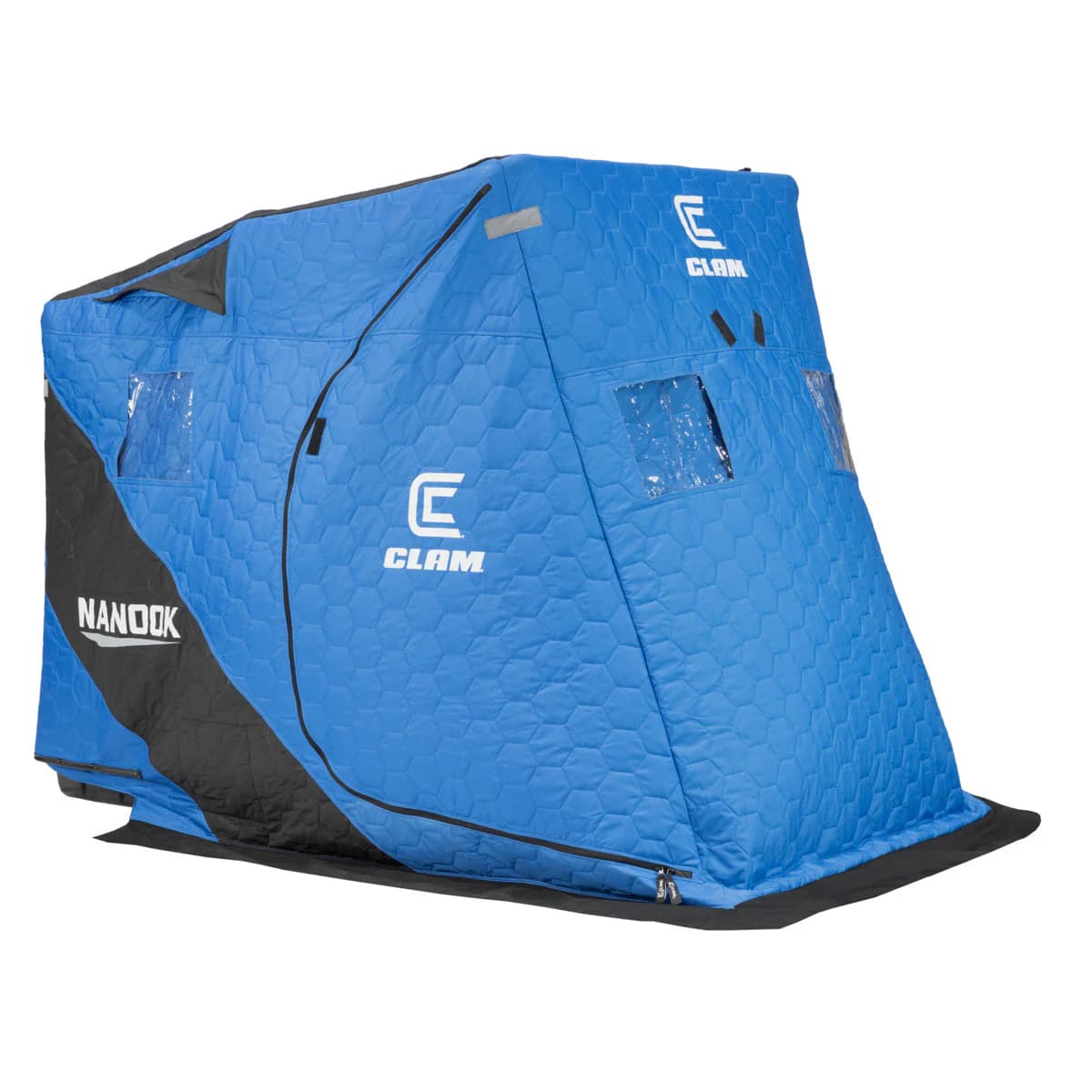
Clam Nanook
Best for: One or two anglers who want a current thermal flip-over with real room, quick deployment, and less weight than old machine-first shelters.
Hardwater · shelter · mobility
Choose an ice shelter around the day. Compare flip-over and hub shelters by fishable space, packed size, insulation, wind management, and setup effort.
One of our picks
Best for: One or two anglers who want a current thermal flip-over with real room, quick deployment, and less weight than old machine-first shelters.
Research catalog updated
Space and mobility path
An ice shelter sets the pace of the day. A flip-over can move with the angler and carry the basic kit, while a hub can give a group more fishable floor space and room for electronics, seats, and a heater. Start with how often you move and how many holes the shelter must serve, then compare the complete system.
The shelter is one part of a hardwater plan. Check current local reports, the shelter manual, heater instructions, ventilation requirements, and a way to transport the packed load before choosing a larger or more insulated design.
A flip-over sled keeps the seats and shelter together for frequent moves. A hub packs smaller for some crews and opens into a flexible room, but the floor, chairs, auger, and gear still need a separate carry plan. Match the shelter type to the distance between spots and the way you travel.
Count anglers, jigging and deadstick holes, transducers, camera screens, buckets, seats, and the space needed to kneel or stand. Use the manufacturer's fishable-area dimensions rather than the person count alone. A shelter that fits the crew on paper can still crowd the electronics and tackle.
Add anchors, tie-downs, cover, runners or a tow bar, chairs, floor mats, storage, heater, fuel, ventilation accessories, and a carbon monoxide detector when the plan uses a fuel heater. Confirm every accessory against the exact shelter and heater manuals before the first trip.
Official manufacturer resource
Use the official FishTrap page to compare the current flip-over layout, tub, mobility, and two-person positioning before choosing a sled shelter.
Check Nanook detailsOfficial manufacturer resource
Review the current hub shelter's insulated IQ fabric, portable carry format, room, and setup approach for a walk-in or compact group plan.
Check QuickFish detailsOfficial manufacturer resource
Compare a large insulated hub by fishable area, no-trip door design, room for a few anglers, and the packed load required for longer days or overnight use.
Check Outbreak detailsManufacturer resources checked August 8, 2026.
Three places to start
Line up fit, strengths, limitations, and useful specifications before you open a retailer page.
Swipe sideways to compare every model.
| Compare | 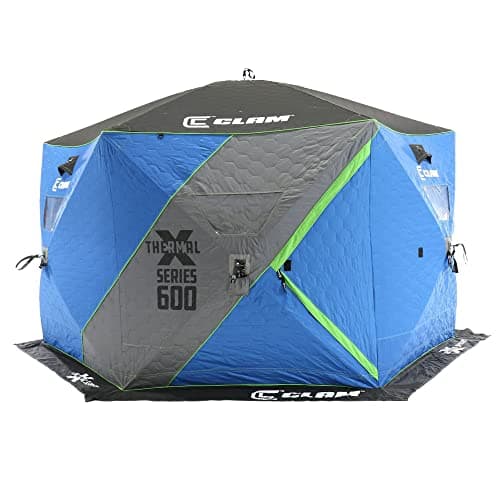 Lower price range Lower price rangeClam X-600 Thermal HubClam | 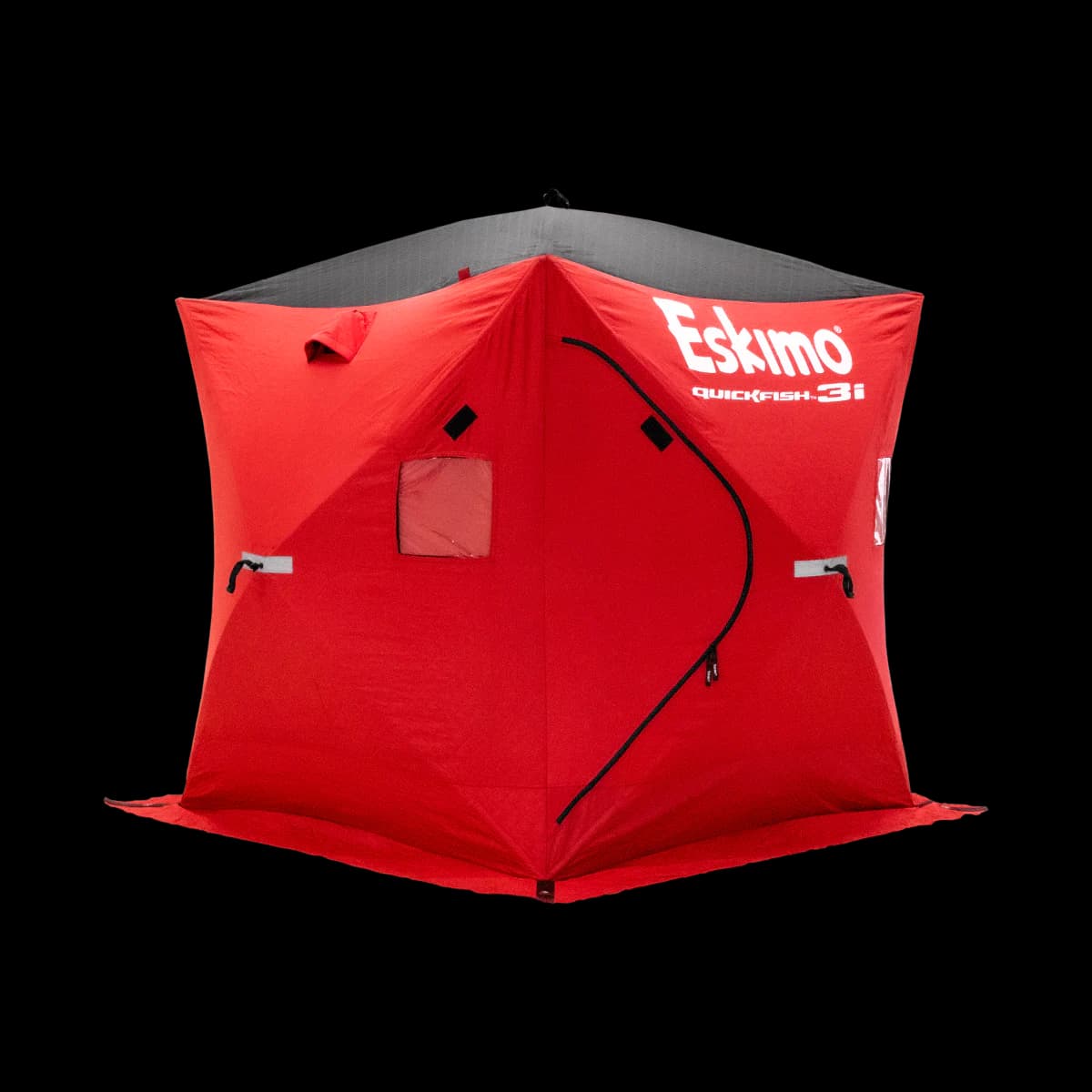 Middle price range Middle price rangeEskimo QuickFish 3iEskimo | 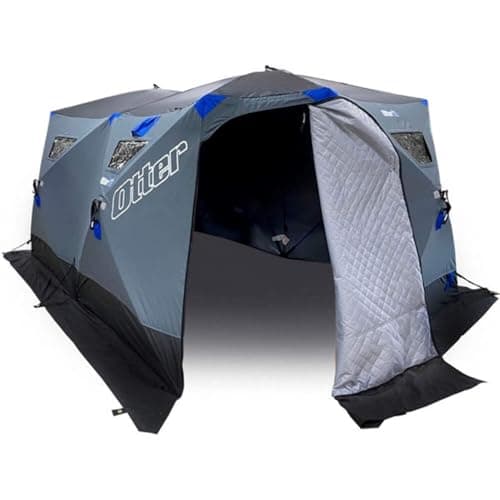 Higher price range Higher price rangeOtter Vortex Pro Monster LodgeOtter Outdoors |
|---|---|---|---|
| Price range | $300-600 | $300-600 | $600-1000 |
| Best for | Groups and families who fish four to six anglers, or ice campers wanting a base-camp hub. | Anglers on foot who want an affordable insulated hub for one or two people. | Ice campers and big crews who want the largest practical hub footprint on the market. |
| Strong point | Engineered for wind, with heat-pressed seams and cinch-down anchor straps | Sets up in under a minute | Massive 132 square feet fits groups or two to three cots for ice camping |
| Watch for | Heavy at 60 pounds | Black interior runs darker than gray-interior shelters | Heavy at 73 pounds and bulky to bag without extra cinch straps, only one is included |
| Style | Insulated hub, four to six people | Insulated pop-up hub, two people or one adult and two kids | Insulated hub for six to eight anglers |
| Fishable space | 94 square feet, 11.5 foot diameter | 34 square feet, 70 x 70 inch footprint | 132 square feet |
| Ceiling height | 90 inches | 80 inches | 79 inches, with 68 inch walls |
| Next step | Check at AmazonProduct details | Check at AIHProduct details | Check at AmazonProduct details |
We chose one lower, middle, and higher-priced model from products we researched and matched to a current retailer page. This is a useful starting point, not a ranking.
What to compare
Once you know how and where you will use the gear, the specifications become much easier to compare.
Count seated anglers, holes, electronics, heaters, and the space needed to move without crowding equipment.
Packed weight, sled shape, hub bag length, and setup time should match how often the shelter moves.
Insulation, anchors, skirt design, vents, windows, and door layout determine comfort and condensation behavior.
Build around the job
Each system connects ice shelters to the other roles that matter in the field. Keep what already works and replace only the weak link.
Shop every activitySportsman Authority picks
Every card tells you who it fits, what it does well, what to watch for, and where to check the current price.
Clam · Ice Shelters
Best for: One or two anglers who want a current thermal flip-over with real room, quick deployment, and less weight than old machine-first shelters.
Current 2026 two-person design balances 26 square feet with a 99 pound packed weight. The main tradeoff is still heavy enough that deep-snow hand towing will be demanding.
$600-1000
Clam · Ice Shelters
Best for: Groups and families who fish four to six anglers, or ice campers wanting a base-camp hub.
Engineered for wind, with heat-pressed seams and cinch-down anchor straps. The main tradeoff is heavy at 60 pounds.
$300-600
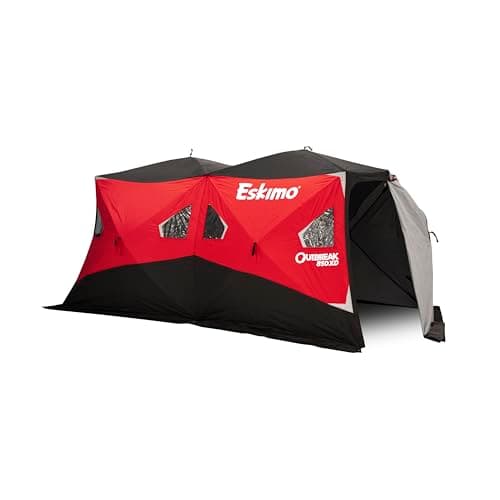
Eskimo · Ice Shelters
Best for: One or two anglers who want Outbreak features without hauling the full 450 footprint.
Same XD-series build and full-drop door as the flagship 450XD in a smaller package. The main tradeoff is less standing and fishable room than the 450XD for groups.
$300-600
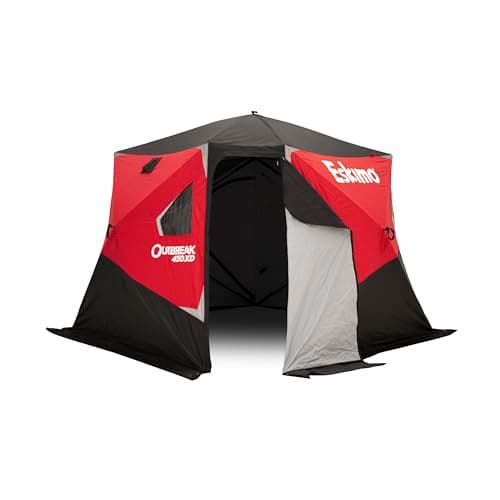
Eskimo · Ice Shelters
Best for: Small groups and family anglers who want one hub that covers day trips and overnight ice camping.
Oversized no-trip door panel zips all the way down to the ice. The main tradeoff is meaningful price jump from two to three person hubs.
$300-600
Eskimo · Ice Shelters
Best for: Anglers on foot who want an affordable insulated hub for one or two people.
Sets up in under a minute. The main tradeoff is black interior runs darker than gray-interior shelters.
$300-600
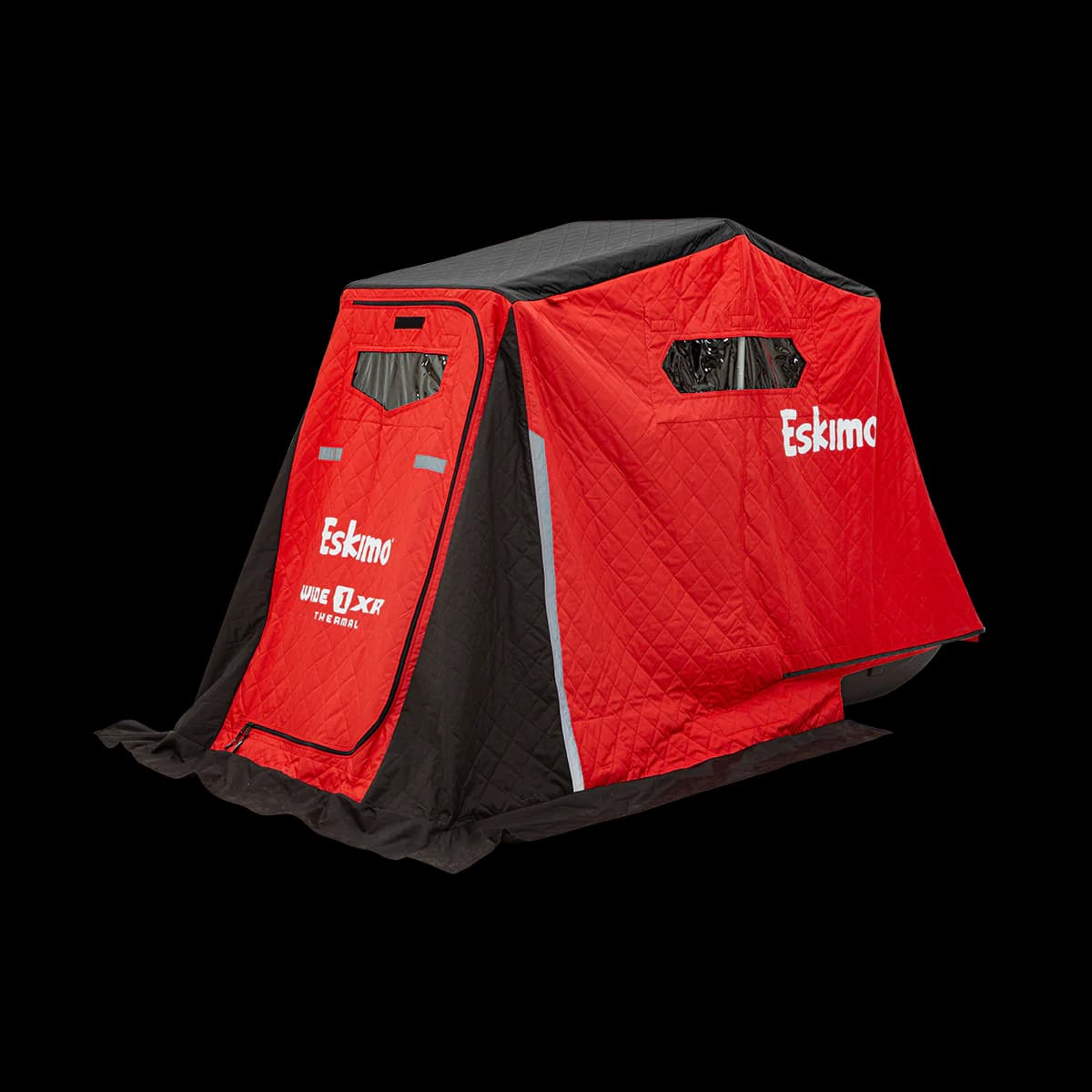
Eskimo · Ice Shelters
Best for: Solo run-and-gun anglers pulling by hand who fish jigging rod, deadstick, and forward-facing sonar at once.
Class-leading fishable area for a one-person flip, with room for three holes. The main tradeoff is ceiling height of 64.5 inches is low for hooksets with long rods.
$300-600
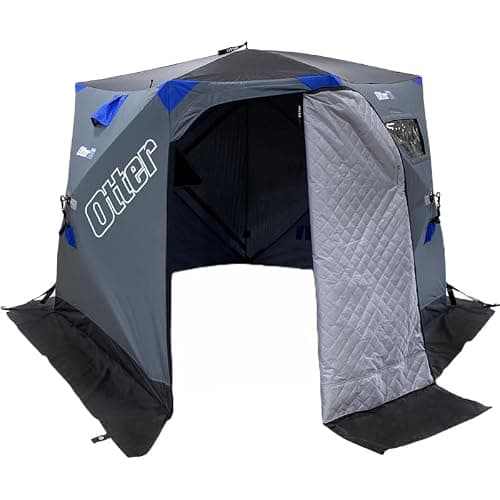
Otter Outdoors · Ice Shelters
Best for: Two-angler crews who want premium Otter build quality in a packable, mid-priced hub.
Triple-layer thermal fabric holds heat and cuts interior frost buildup. The main tradeoff is one year warranty.
$300-600
Otter Outdoors · Ice Shelters
Best for: Ice campers and big crews who want the largest practical hub footprint on the market.
Massive 132 square feet fits groups or two to three cots for ice camping. The main tradeoff is heavy at 73 pounds and bulky to bag without extra cinch straps, only one is included.
$600-1000
Category FAQ
Choose a flip-over when frequent moves, a built-in sled, and a compact day kit matter most. Choose a hub when a group needs more flexible floor space and can manage separate chairs, gear, anchors, and transport. Compare packed weight and the way you move between spots, not just the open-room size.
Count anglers, jigging and deadstick holes, sonar and camera screens, seats, buckets, auger access, and the room needed to kneel or stand. Use the manufacturer's fishable-area dimensions and draw the hole layout before choosing by the advertised person count.
Insulation can reduce wind and heat loss, but it usually adds weight, packed bulk, and condensation management. Compare the transport distance, temperature range, heater plan, vents, fabric, and dry-out routine with the actual way you fish instead of treating insulation as an automatic upgrade.
Budget for anchors, tie-downs, a cover, runners or a tow bar, chairs, floor mats, storage, and the carry system. If you use a fuel heater, follow the exact shelter and heater instructions, provide the required ventilation, and carry a working carbon monoxide detector. Do not improvise a heater setup from the shelter's product photo.