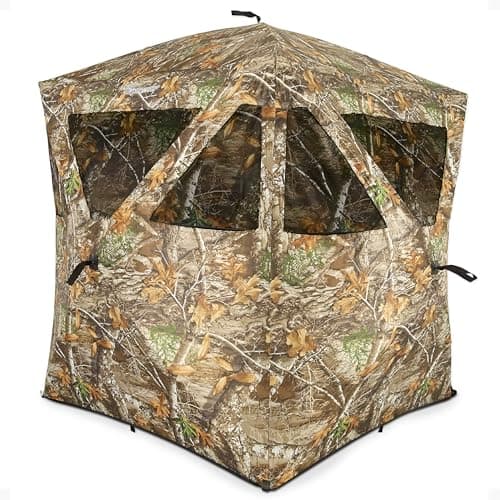
Ameristep · Ground Blinds
Ameristep Care Taker Ground Blind
Best for: The run-and-gun hunter who wants an affordable, packable hub blind for one person and occasional two-person use.
$50-150
Hunting Accessories field setup
A ground-level system built around the blind footprint, quiet movement, approach conditions, and calls and optics used without exposing the setup.
4 field decisions · 8 researched starting points · updated July 28, 2026
Before you spend
Built for: Hunters using portable blinds for deer, turkey, or mixed field-edge sits and trying to reduce noise and unnecessary gear.
Check these first
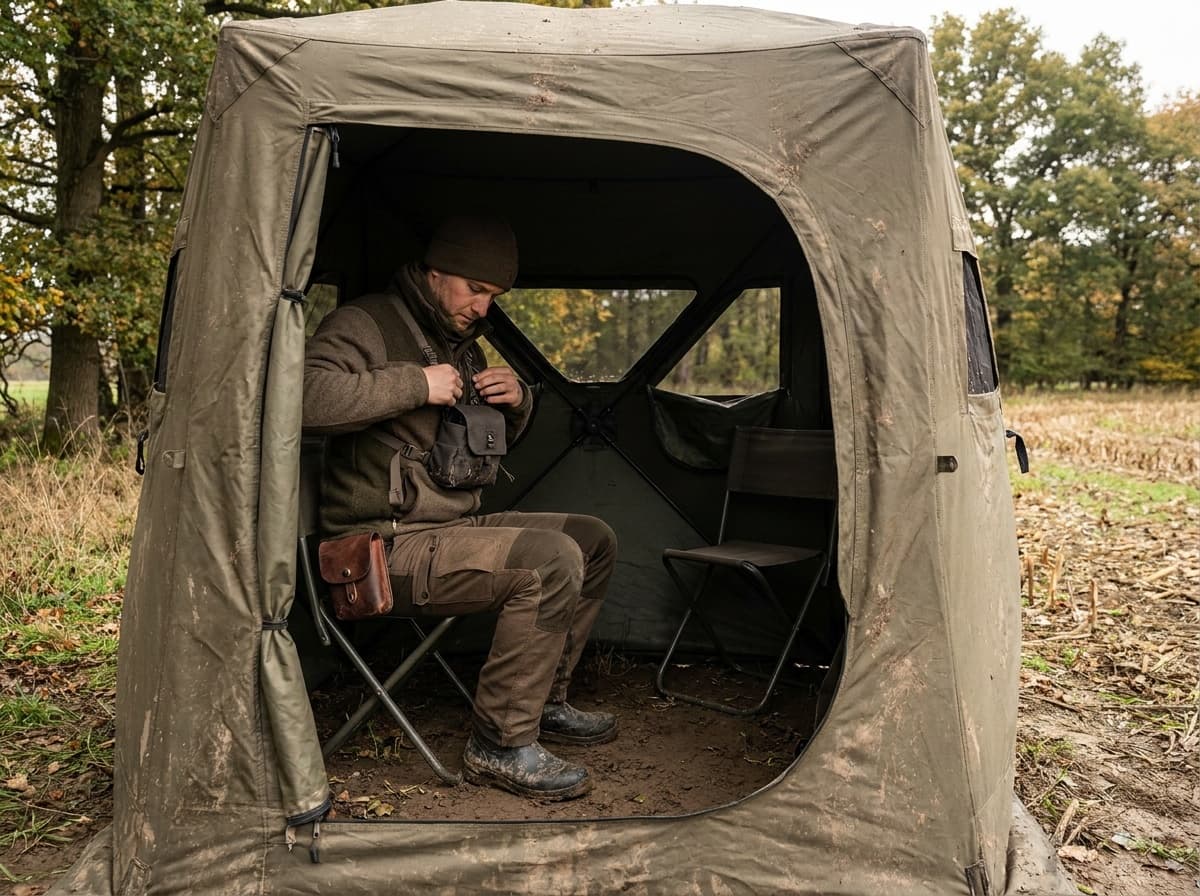
Can the people and equipment move without touching walls or crossing windows?
Advertised capacity is less useful than floor width, height, door position, and the openings needed for the equipment. See-through panels change visibility, not the need for a concealed outline.
Tape the footprint at home and sit in the real chairs before deciding.
Ameristep · Ground Blinds
Best for: The run-and-gun hunter who wants an affordable, packable hub blind for one person and occasional two-person use.
$50-150
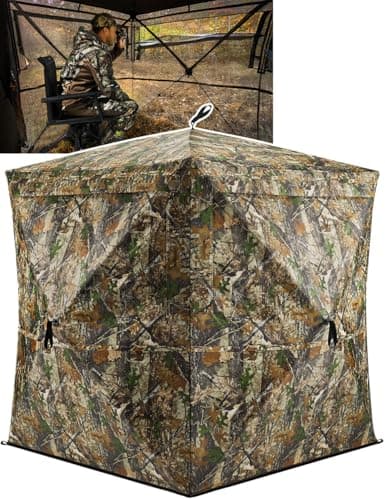
TIDEWE · Ground Blinds
Best for: The value-focused hunter who wants see-through visibility without a premium-brand price.
$50-150
Can the call be run quietly and the decoy be placed without exposing the blind?
One controlled call and a simple visual plan are enough. The blind should not become storage for duplicate calls or a large spread that slows setup.
Carry only calls that match the species, season, and current local rules.
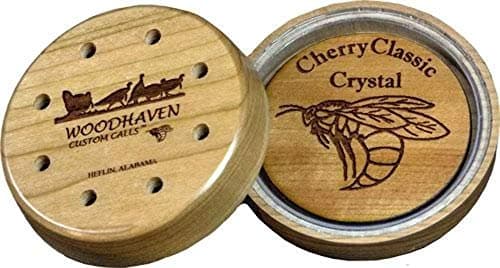
WoodHaven · Game Calls & Decoys
Best for: Turkey hunters who want a tournament-quality pot call as their main spring workhorse.
$50-150
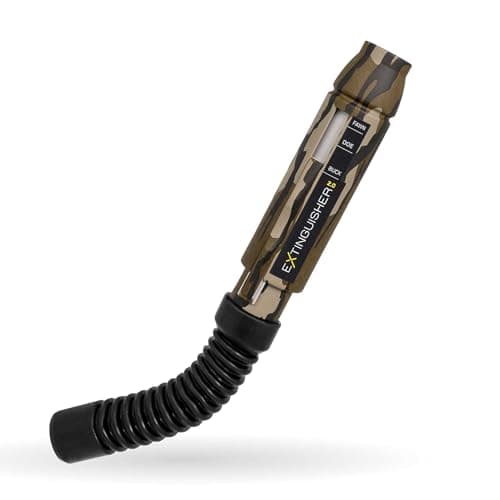
Illusion Systems · Game Calls & Decoys
Best for: Rut hunters who want grunts, bleats, and fawn sounds from a single call hanging on one lanyard.
$50-150
Will the layer manage the walk, the sit, and contact with blind fabric?
Quiet fabric, wind control, and a useful venting plan matter more than matching the blind exterior. Dark interior layers can reduce visible movement inside some blinds.
Add the final insulation after the walk so moisture does not become the coldest part of the sit.
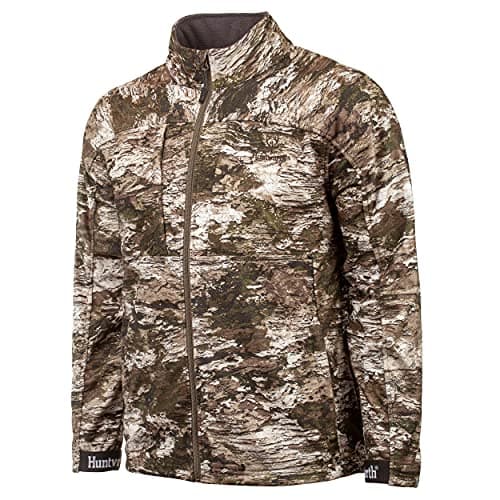
Huntworth · Camo Clothing
Best for: The early to mid-season hunter who wants quiet wind protection as a layering piece without a premium price.
$50-150
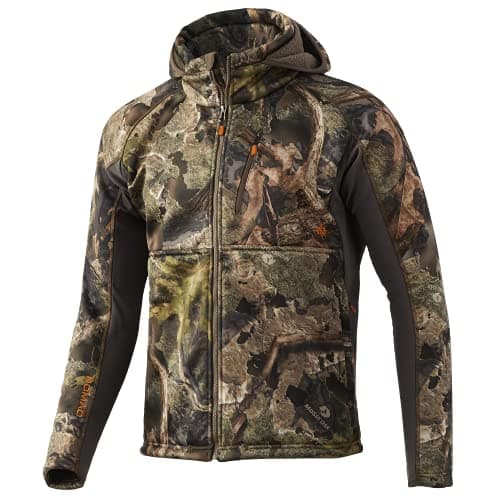
Nomad · Camo Clothing
Best for: The whitetail stand hunter wanting a warm, quiet insulating layer for cold sits at a mid price point.
$150-300
Is the route wet, steep, long, or mostly a short walk followed by hours of sitting?
Support and moisture control matter on a long approach. More insulation can help a short cold sit only if the boot still leaves room for circulation.
Choose from the hardest part of the route and the longest expected sit.
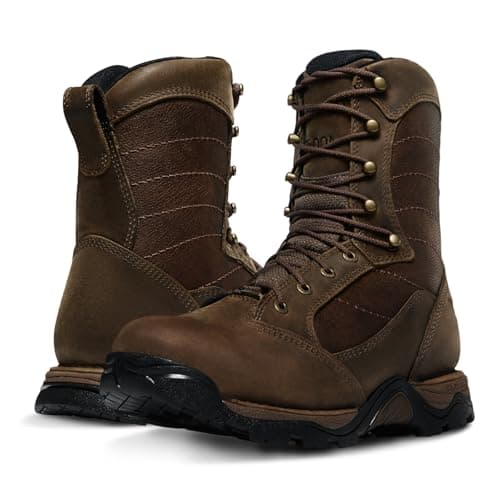
Danner · Hunting Boots
Best for: The whitetail or upland hunter who covers ground on foot and wants one do-everything insulated leather boot for fall through light winter.
$150-300
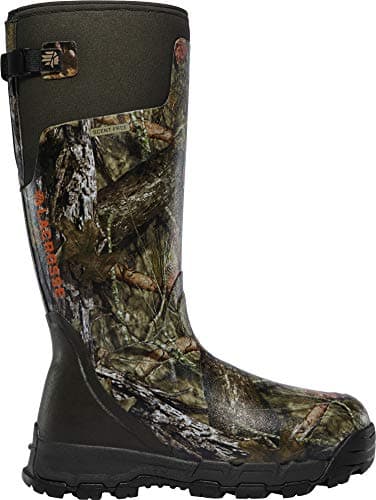
LaCrosse · Hunting Boots
Best for: The cold-but-active hunter who wants solid winter warmth while still walking to and from the stand.
$150-300
Setup FAQ
Compare floor width, height, door placement, and window geometry with the real chairs and equipment. Many nominal two-person blinds become cramped once packs and shooting positions are included.
Natural cover can break up the outline where placement and local rules allow it. Do not block windows, doors, visibility, or access, and avoid cutting vegetation without permission.
No. Start with ground blinds only if it solves the first limitation in your current kit. Keep what already works, confirm exact fit before ordering, and add later stages when the field use justifies them.
Each product is already in the researched catalog with a defined best-fit use, documented strengths and tradeoffs, a verified model identity, and an exact-model photograph. The page uses them as practical starting points, not universal winners.
Need a different day?