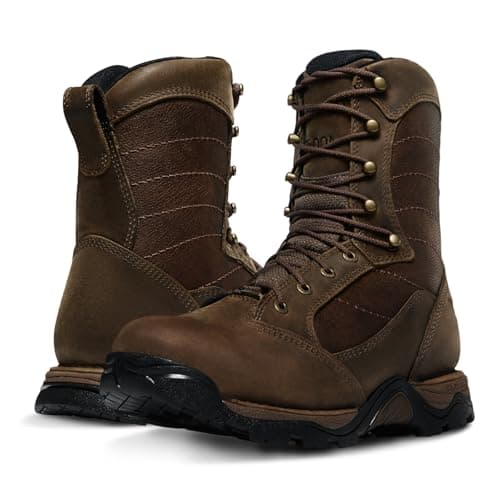
One of our picks
Danner Pronghorn 8" 400G GORE-TEX Hunting Boot
Best for: The whitetail or upland hunter who covers ground on foot and wants one do-everything insulated leather boot for fall through light winter.
Hunting boots · fit · weather
Choose hunting boots for the miles and the weather. Browse hunting boots by fit, insulation, waterproofing, traction, height, and walking demand.
One of our picks
Best for: The whitetail or upland hunter who covers ground on foot and wants one do-everything insulated leather boot for fall through light winter.
Research catalog updated
Fit, warmth, and terrain path
A hunting boot only works if the fit, socks, insulation, waterproofing, support, and traction all match the day. Start with the foot you actually have and the miles you actually walk, then choose between a lighter leather hiker, a moderately insulated leather boot, and a waterproof rubber pull-on.
More insulation is not automatically warmer in practice. A boot that is too warm can make feet sweat on the walk in, while a loose fit or compressed sock can make a heavily insulated boot feel cold. Measure both feet, try the actual socks, and confirm the maker's width and return guidance before ordering.
Measure both feet late in the day with the socks you will actually wear. Check toe room, heel hold, forefoot width, arch contact, tongue pressure, and whether the boot stays planted when you walk downhill. Use the manufacturer's size and width chart instead of assuming your casual shoe size carries over.
A long walk or early-season stalk usually needs less insulation and more breathability. A slow late-season sit may need more warmth, room for a thick sock, and a taller waterproof shaft. Compare 0g, 400g, 800g, 1000g, and 1600g options around your pace and time outside rather than a single temperature promise.
Leather boots trade break-in time for ankle structure and repair options, while rubber pull-ons deliver easy waterproofing and mud coverage with less ankle control. Add boot care, drying space, insoles, gaiters, spare laces, and the outsole traction you need for the actual ground.
Official manufacturer resource
Review the current Pronghorn page for full-grain leather, GORE-TEX waterproofing, 400g PrimaLoft insulation, platform support, fit, width, traction, and warranty details.
Check Danner detailsOfficial manufacturer resource
Confirm the 18-inch height, hand-laid rubber over neoprene, 800g Thinsulate insulation, adjustable rear gusset, EVA midsole, waterproof build, and Burly Pro outsole.
Check LaCrosse detailsOfficial manufacturer resource
Compare the current VaprTrek family for UltraDry waterproofing, leather and nylon construction, ScentBan, women's and insulated versions, width, and fit guidance.
Check VaprTrek detailsManufacturer resources checked August 9, 2026.
Three places to start
Line up fit, strengths, limitations, and useful specifications before you open a retailer page.
Swipe sideways to compare every model.
| Compare | Lower price rangeDanner Pronghorn 8" 400G GORE-TEX Hunting BootDanner | 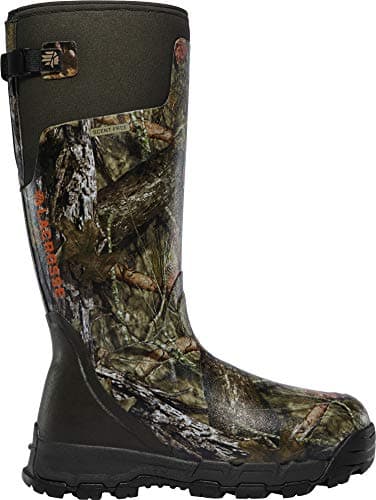 Middle price range Middle price rangeLaCrosse Alphaburly Pro 18" 1000G Hunting BootLaCrosse | 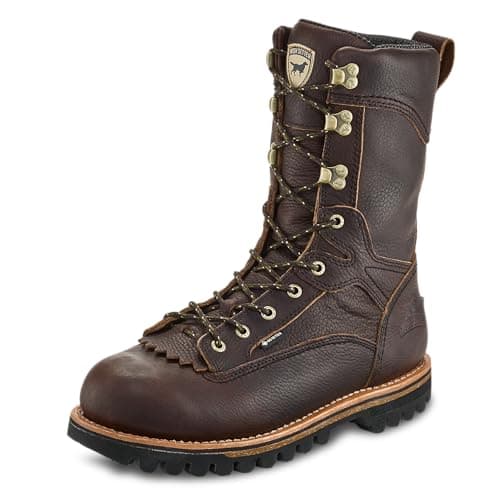 Higher price range Higher price rangeIrish Setter Elk Tracker 1000g 12" Waterproof Hunting BootIrish Setter |
|---|---|---|---|
| Price range | $150-300 | $150-300 | $300-600 |
| Best for | The whitetail or upland hunter who covers ground on foot and wants one do-everything insulated leather boot for fall through light winter. | The cold-but-active hunter who wants solid winter warmth while still walking to and from the stand. | The backcountry elk or mule deer hunter who needs a tall, supportive, resoleable leather boot for hard miles in cold, steep country. |
| Strong point | Lightweight all-day comfort from the TERRA FORCE NEXT platform | Cold-weather warmth without going all the way to 1600g | Rugged support for steep, rough big-game terrain |
| Watch for | 400g insulation is light for deep-winter stand hunting | Overlaps heavily with the 800g and 1600g, so choose one insulation level | Highest price in this set |
| Type | Insulated leather hunting boot | Pull-on rubber over neoprene hunting boot | Heavy insulated leather big-game boot |
| Insulation | 400g PrimaLoft | 1000g Thinsulate Ultra | 1000g 3M Thinsulate Ultra |
| Height | 8 inch | 18 inch | 12 inch |
| Next step | Check at AmazonProduct details | Check at AmazonProduct details | Check at AmazonProduct details |
We chose one lower, middle, and higher-priced model from products we researched and matched to a current retailer page. This is a useful starting point, not a ranking.
What to compare
Once you know how and where you will use the gear, the specifications become much easier to compare.
Measure both feet with the socks you will wear and leave room without heel lift, toe pressure, or excess volume.
Long walks, stationary sits, water, mud, snow, and temperature call for different insulation and construction.
Outsole, ankle support, drying, waterproof treatment, and break-in time shape comfort after the first try-on.
Build around the job
Each system connects hunting boots to the other roles that matter in the field. Keep what already works and replace only the weak link.
Shop every activityHunting Boots roleMatches warmth, traction, support, and moisture management to the approach.
Tree Stands & Saddles · Scent Control · Camo Clothing · Hunting Packs
See the complete setupHunting Boots roleHandles the approach, standing time, temperature, and ground conditions.
Game Calls & Decoys · Ground Blinds · Camo Clothing · Binoculars
See the complete setupSportsman Authority picks
Every card tells you who it fits, what it does well, what to watch for, and where to check the current price.
Danner · Hunting Boots
Best for: The whitetail or upland hunter who covers ground on foot and wants one do-everything insulated leather boot for fall through light winter.
Lightweight all-day comfort from the TERRA FORCE NEXT platform. The main tradeoff is 400g insulation is light for deep-winter stand hunting.
$150-300
Irish Setter · Hunting Boots
Best for: The backcountry elk or mule deer hunter who needs a tall, supportive, resoleable leather boot for hard miles in cold, steep country.
Rugged support for steep, rough big-game terrain. The main tradeoff is highest price in this set.
$300-600
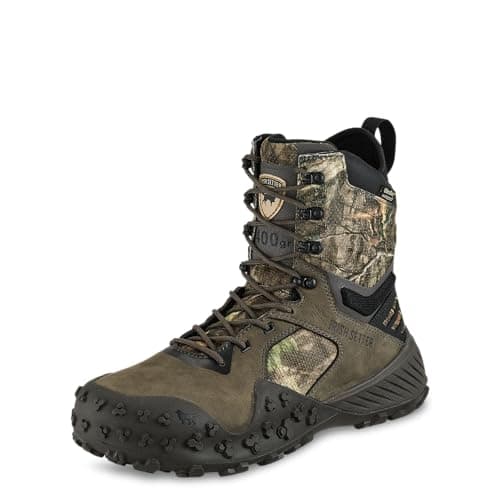
Irish Setter · Hunting Boots
Best for: The early-season or spot-and-stalk hunter, or spring turkey hunter, who prioritizes low weight and agility over insulation.
Very light for long walk-in stalks and early-season heat. The main tradeoff is uninsulated base model is not built for deep cold.
$150-300
LaCrosse · Hunting Boots
Best for: The cold-but-active hunter who wants solid winter warmth while still walking to and from the stand.
Cold-weather warmth without going all the way to 1600g. The main tradeoff is overlaps heavily with the 800g and 1600g, so choose one insulation level.
$150-300
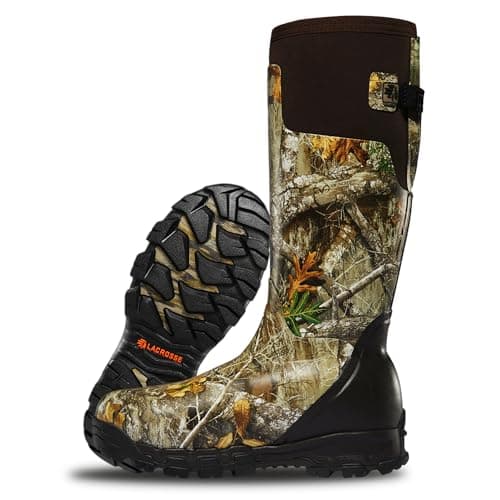
LaCrosse · Hunting Boots
Best for: The late-season stand or waterfowl hunter in cold, wet, muddy conditions who needs waterproof warmth over long, low-movement sits.
Maximum warmth for cold, wet, late-season sits. The main tradeoff is 1600g is too warm for early-season or high-exertion hiking.
$150-300
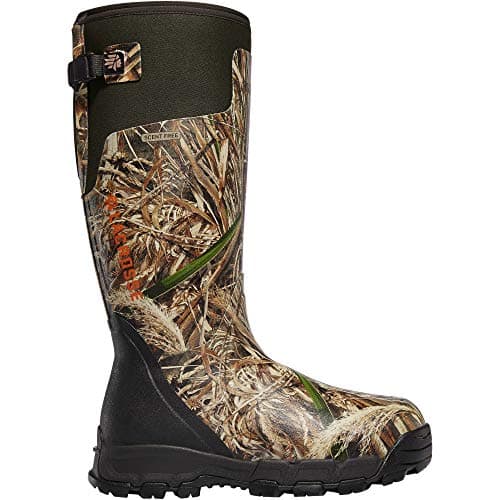
LaCrosse · Hunting Boots
Best for: The hunter who wants one versatile rubber boot for the broad October-through-December window rather than a single-temperature specialist.
Middle-ground warmth that spans more of the season than the 1600g. The main tradeoff is may run warm for early season and cold for the deepest winter.
$150-300
Category FAQ
Match insulation to movement and time outside. Uninsulated or lightly insulated leather works better for active early-season walks, 400g covers a broad fall window, and 800g to 1600g suits slower cold-weather sits. More insulation can overheat feet on the walk in, so account for pace, socks, and whether you will stop moving.
Choose leather when ankle structure, longer walking, and a secure laced fit matter. Choose rubber when waterproof mud, marsh, snow, and easy pull-on coverage matter more. Rubber is not automatically better for long miles, and leather is not automatically waterproof without the right membrane and care.
Measure both feet late in the day with your hunting socks. You want a secure heel and midfoot, enough toe room to avoid contact downhill, no forefoot pinch, and a width that does not force the tongue or laces to one side. Walk stairs and an incline if possible, then confirm the brand's return window before wearing them outside.
Budget for the right socks, insoles only when they improve the fit, gaiters for wet brush or snow, boot care and waterproofing approved for the upper, a drying routine, and spare laces. Do not solve a poor boot fit by stacking thick socks or an oversized insole.