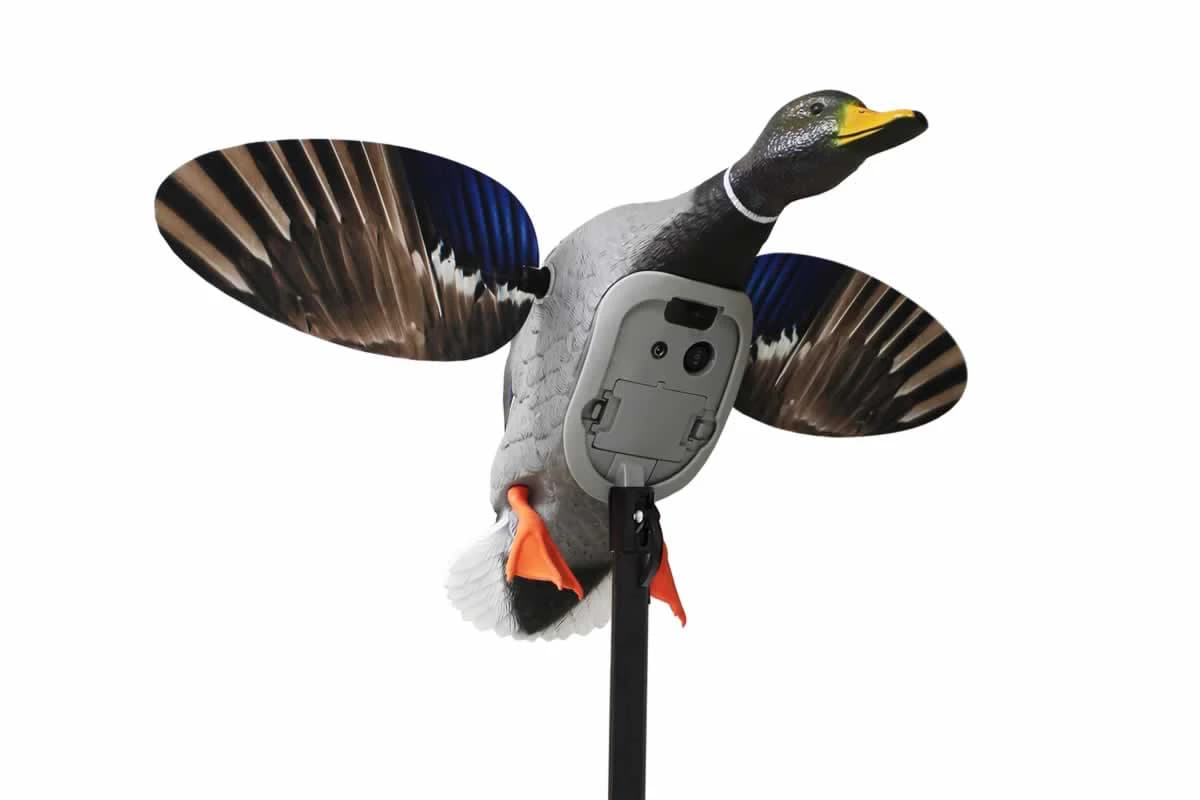
One of our picks
MOJO Elite Series King Mallard with 6V Li-ion Battery
Best for: Early and mid-season duck hunters who need long-range visibility to pull birds into small spreads.
Game calls · decoys · field use
Compare calls and decoys by species, realism, sound control, deployment speed, packability, and local regulations.
One of our picks
Best for: Early and mid-season duck hunters who need long-range visibility to pull birds into small spreads.
Research catalog updated
Species, skill, and deployment path
Calls and decoys work best when they match the species, season, pressure, terrain, and the sounds you can actually reproduce. Start with the hunt in front of you, then decide whether a call, a visual, or a complete setup earns space in the pack.
Local seasons, legal methods, decoy rules, electronic-device restrictions, and transport requirements vary by state, province, and property. Check the current regulations for the exact place and species before using any call or decoy.
Start with duck, turkey, deer, or elk, then note the season, habitat, pressure, and legal method. A call and decoy plan for open water is a different kit from a quiet turkey setup in thick timber or a flat backcountry elk carry.
A double or triple reed can be a forgiving first duck call, while a single-reed cutdown rewards practiced air control. Friction pot calls offer a broad turkey vocabulary, and grunt or bleat calls need useful tone control more than a long feature list.
Add lanyard, striker, conditioning tools, decoy stake, motion or battery parts, anchor, carry bag, storage, and practice time. The right setup is the one you can deploy quietly, keep dry, and use confidently when the weather and gloves make everything harder.
Official manufacturer resource
Check the official Triple Threat specifications for its polycarbonate body, triple-reed design, mallard hen vocabulary, and beginner-friendly air control before choosing a first duck call.
Check Duck CommanderOfficial manufacturer resource
Review the official Lookout Hen details for its raised visibility, collapsible dura-rubber body, carry bag, and included carbon stake when a visual needs to ride in a turkey vest.
Check Avian-X detailsOfficial manufacturer resource
Use WoodHaven's current Cherry Classic listing to compare the crystal and slate friction surfaces, striker options, conditioning needs, and price before building a turkey call kit.
Check WoodHaven callsManufacturer resources checked August 9, 2026.
Three places to start
Line up fit, strengths, limitations, and useful specifications before you open a retailer page.
Swipe sideways to compare every model.
| Compare | 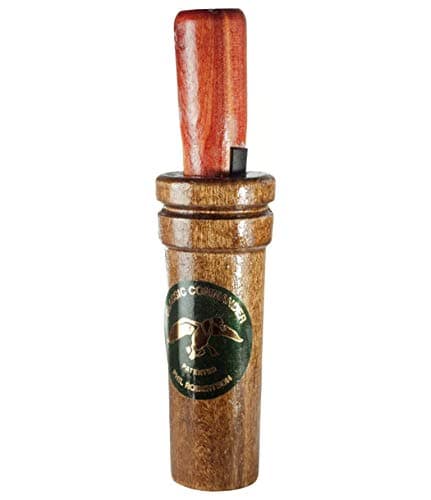 Lower price range Lower price rangeDuck Commander Classic Commander Double ReedDuck Commander | 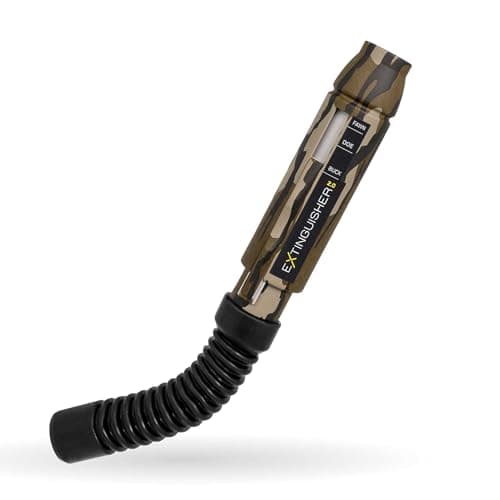 Middle price range Middle price rangeIllusion Systems Extinguisher Deer CallIllusion Systems | 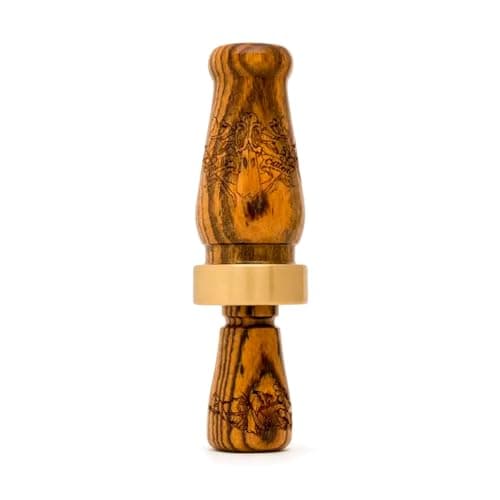 Higher price range Higher price rangeRNT Daisy Cutter Duck CallRich-N-Tone |
|---|---|---|---|
| Price range | Under $50 | $50-150 | $150-300 |
| Best for | Close-range timber and small-water hunters who finish birds with soft, subtle calling. | Rut hunters who want grunts, bleats, and fawn sounds from a single call hanging on one lanyard. | Experienced callers working big flocks on open water or flooded timber who need reach and rasp. |
| Strong point | Easy to blow with a natural, soft hen tone | One call covers the whole whitetail vocabulary | Legendary volume and top end for turning birds off the X |
| Watch for | Quiet for big water or windy timber, built for close work | Slide can bump off your intended tone in a pack or pocket | Single-reed cutdown style demands practiced air control |
| Reeds | Double reed | Not specified | Single reed |
| Body | Wood variations | Not specified | Acrylic |
| Next step | Check at AmazonProduct details | Check at AmazonProduct details | Check at AmazonProduct details |
We chose one lower, middle, and higher-priced model from products we researched and matched to a current retailer page. This is a useful starting point, not a ranking.
What to compare
Once you know how and where you will use the gear, the specifications become much easier to compare.
Start with the vocalizations, body language, legal methods, and pressure level relevant to the hunt.
Some calls reward practice and fine control while others provide a narrower but more repeatable sound.
Weather resistance, gloves, storage, decoy motion, anchoring, and pack volume shape reliability more than showroom realism.
Build around the job
Each system connects game calls & decoys to the other roles that matter in the field. Keep what already works and replace only the weak link.
Shop every activitySportsman Authority picks
Every card tells you who it fits, what it does well, what to watch for, and where to check the current price.
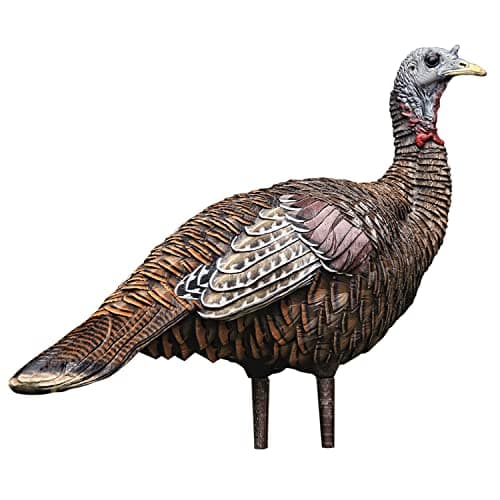
Avian-X · Game Calls & Decoys
Best for: Run-and-gun turkey hunters who want one premium hen that packs well and closes wary birds.
Photo-real posture and paint that fools pressured gobblers. The main tradeoff is costs two to three times a basic foam hen.
$50-150
Duck Commander · Game Calls & Decoys
Best for: Close-range timber and small-water hunters who finish birds with soft, subtle calling.
Easy to blow with a natural, soft hen tone. The main tradeoff is quiet for big water or windy timber, built for close work.
Under $50
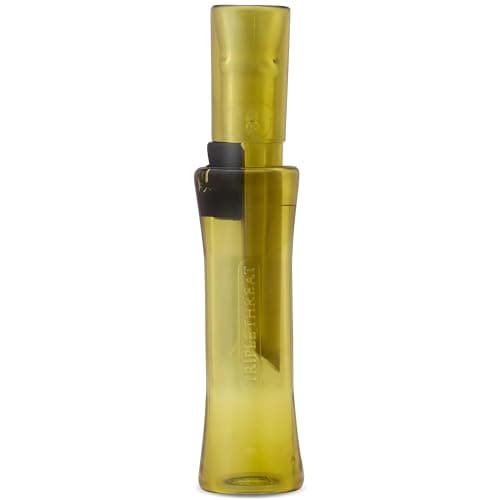
Duck Commander · Game Calls & Decoys
Best for: New waterfowlers learning hen mallard basics who want ducky sound on day one.
The classic first duck call, raspy and ducky with minimal air control. The main tradeoff is polycarbonate tone lacks the richness of acrylic customs.
Under $50
Illusion Systems · Game Calls & Decoys
Best for: Rut hunters who want grunts, bleats, and fawn sounds from a single call hanging on one lanyard.
One call covers the whole whitetail vocabulary. The main tradeoff is slide can bump off your intended tone in a pack or pocket.
$50-150
Mojo Outdoors · Game Calls & Decoys
Best for: Early and mid-season duck hunters who need long-range visibility to pull birds into small spreads.
Spinning wing flash pulls passing flocks from long distance. The main tradeoff is late-season and pressured ducks can flare off spinners.
$150-300
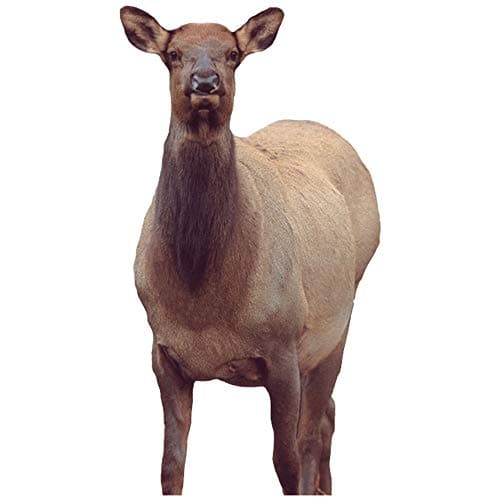
Montana Decoy · Game Calls & Decoys
Best for: Archery elk hunters who need a packable cow decoy to hold a bull those last 60 yards.
Gives a bugling bull a visual to commit to during archery season. The main tradeoff is two-dimensional image disappears when viewed edge-on.
$50-150
Rich-N-Tone · Game Calls & Decoys
Best for: Experienced callers working big flocks on open water or flooded timber who need reach and rasp.
Legendary volume and top end for turning birds off the X. The main tradeoff is single-reed cutdown style demands practiced air control.
$150-300
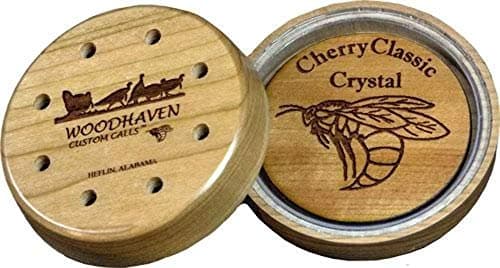
WoodHaven · Game Calls & Decoys
Best for: Turkey hunters who want a tournament-quality pot call as their main spring workhorse.
Competition-grade yelps, cutts, and purrs out of the box. The main tradeoff is friction surface needs regular conditioning to stay crisp.
$50-150
Category FAQ
Start with the species, terrain, pressure, and the way you move through the day. A call can add sound without adding much pack volume, while a decoy adds a visual and more setup work. Buy both when you can deploy them quietly, carry them comfortably, and use the combination within the current rules for the place you hunt.
A forgiving double or triple reed duck call is often the simplest place to learn breath and basic hen sounds. A friction pot call can be a friendly turkey starting point because the striker controls the sound. The easiest call is still the one you practice enough to reproduce without guessing at the moment you need it.
No. A decoy's posture, visibility, motion, carry burden, and realism should fit the species, habitat, pressure, and season. Open water, timber, field edges, and backcountry setups each ask for different deployment choices, and some places restrict decoy types or electronic motion.
Read the current regulations from the state, province, tribal authority, or land manager for the exact species and unit. Check season dates, legal methods, electronic-device restrictions, decoy limits, bait rules, transport requirements, and any property-specific conditions. If a rule is unclear, confirm it with the issuing agency before you go.