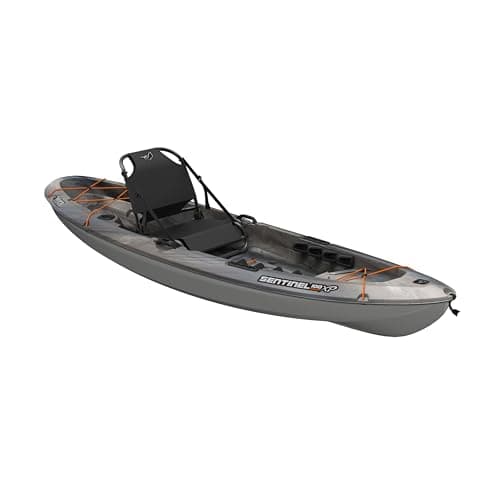
Pelican · Fishing Kayaks
Pelican Sentinel 100X Angler Sit-on-Top Fishing Kayak
Best for: Smaller or first-time paddlers who need the lightest possible hull to car-top alone.
$300-600
Fishing field setup
A compact kayak system built around hull behavior, reachable rigging, contained electronics, and gear that stays clear of the working deck.
4 field decisions · 7 researched starting points · updated July 26, 2026
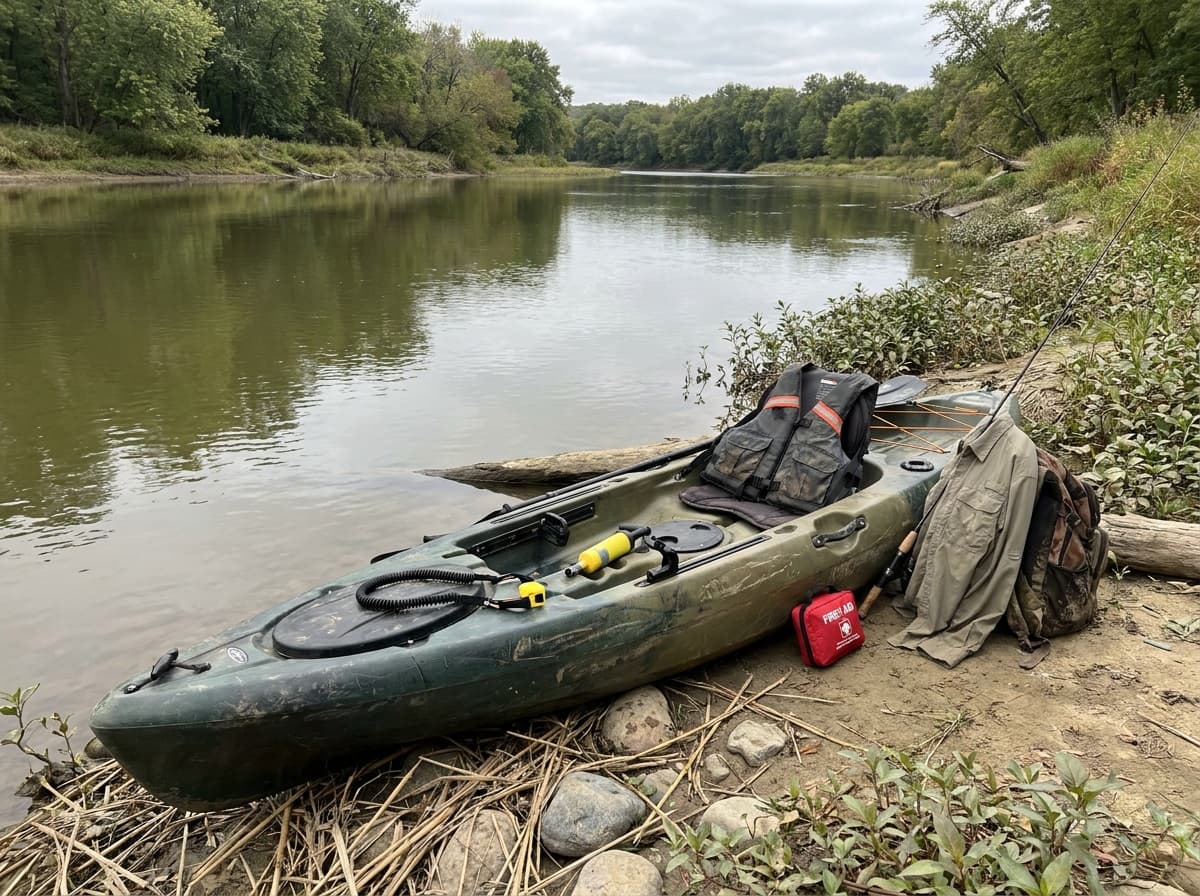
Before you spend
Built for: Anglers choosing a first fishing kayak or simplifying a hull that has accumulated too many mounts and loose accessories.
Check these first
Will the kayak cross open water, tight rivers, or protected ponds?
Width adds initial stability but can slow the hull. Length improves tracking and capacity but complicates transport. Seating comfort matters only after the boat fits the route and loading plan.
Choose from the hardest water and hardest lift you expect, not the easiest launch.
Pelican · Fishing Kayaks
Best for: Smaller or first-time paddlers who need the lightest possible hull to car-top alone.
$300-600
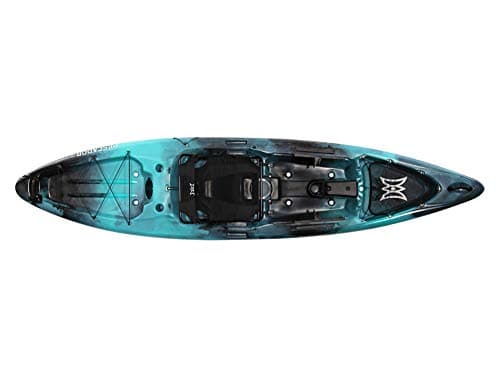
Perception · Fishing Kayaks
Best for: Serious recreational anglers who prioritize speed, glide, and seat comfort on larger lakes and bays.
$600-1000
Can the paddle, rod, anchor line, and active tackle be handled without twisting around?
A few well-placed restraints and holders are more useful than a rail full of mounts. Keep snag points away from entry, exit, and the paddle stroke.
Test placement with the real seat position before drilling or cutting.
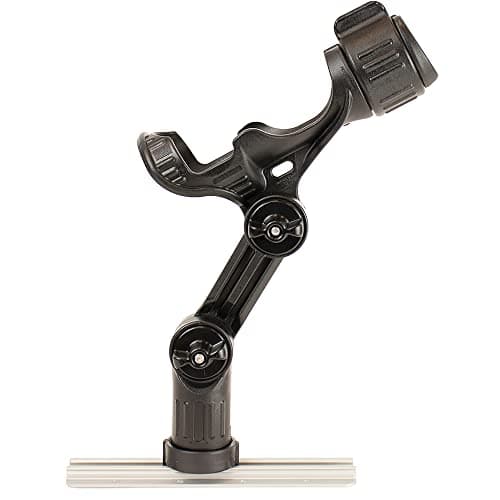
YakAttack · Kayak Fishing Accessories
Best for: Track-equipped kayaks needing one holder that handles every reel type securely.
Under $50
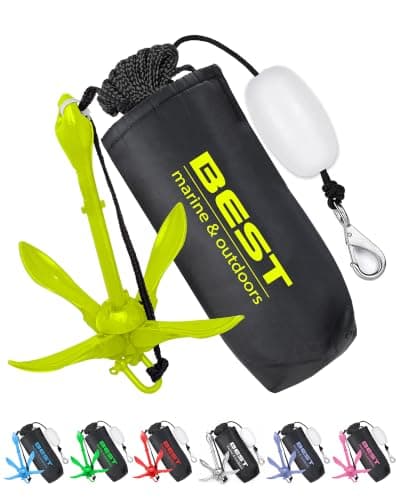
Best Marine · Kayak Fishing Accessories
Best for: Kayak and paddleboard anglers who want an affordable all-in-one anchoring kit for lakes and mild current.
Under $50
Do you need only depth or enough screen for mapping and split views?
A compact unit keeps sight lines and paddle clearance clean. Mapping earns more screen when unfamiliar water and route planning are regular parts of the day.
Solve transducer protection and cable routing before choosing the largest display.
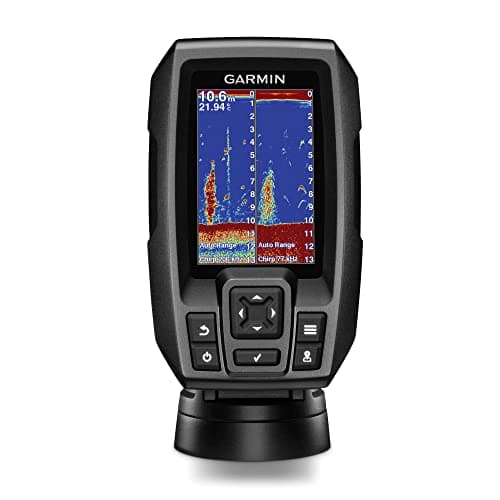
Garmin · Fish Finders
Best for: The small-boat angler adding real sonar and waypoints for the price of a tank of gas.
$50-150
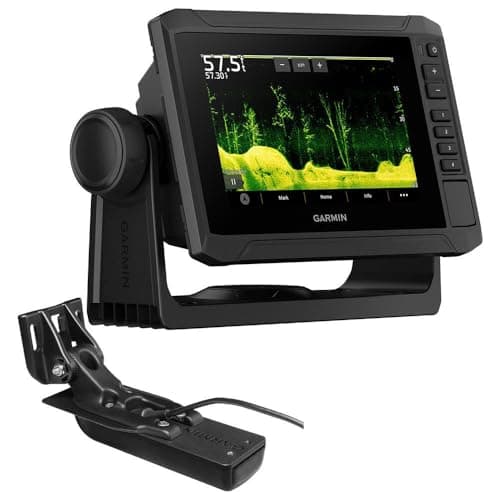
Garmin · Fish Finders
Best for: The serious walleye or bass angler building toward live sonar who wants Garmin mapping now.
$600-1000
How many amp-hours does the display use across the longest trip?
A small sealed battery can run basic sonar without adding a large battery box. Larger electronics justify more capacity only when the hull has a dry, secured location for it.
Fuse near the battery and secure the battery against capsize and transport movement.
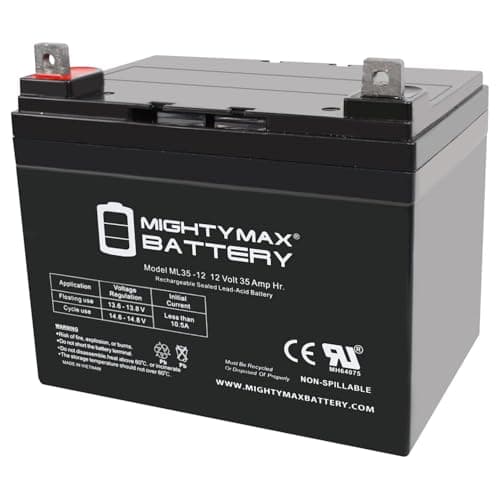
Mighty Max · Marine Batteries
Best for: Powering a fish finder, aerator, or small kayak setup on a budget.
$50-150
Setup FAQ
Start with the seat, paddle or pedal controls, and secure storage. Add rod holders and electronics only after you can reach the essentials and enter, exit, and paddle without snagging gear.
Four to seven inches covers most kayak cockpits. The right size depends on viewing distance, mapping needs, mount position, and whether the display interferes with paddling or landing fish.
No. Start with fishing kayaks only if it solves the first limitation in your current kit. Keep what already works, confirm exact fit before ordering, and add later stages when the field use justifies them.
Each product is already in the researched catalog with a defined best-fit use, documented strengths and tradeoffs, a verified model identity, and an exact-model photograph. The page uses them as practical starting points, not universal winners.
Need a different day?