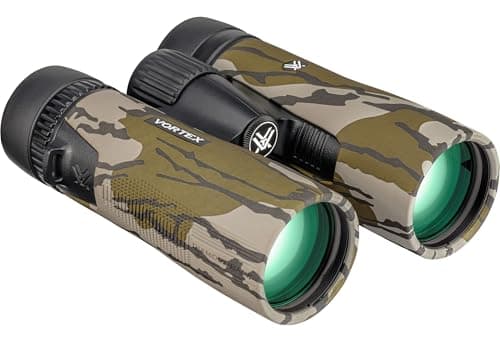
Vortex · Binoculars
Vortex Diamondback HD 10x42
Best for: The default first serious hunting binocular for whitetail and western hunters on a working budget.
$150-300
Hunting Accessories field setup
An optics system that separates fast scanning, measured distance, and long observation instead of asking one heavy piece of glass to do every job.
4 field decisions · 8 researched starting points · updated July 28, 2026
Before you spend
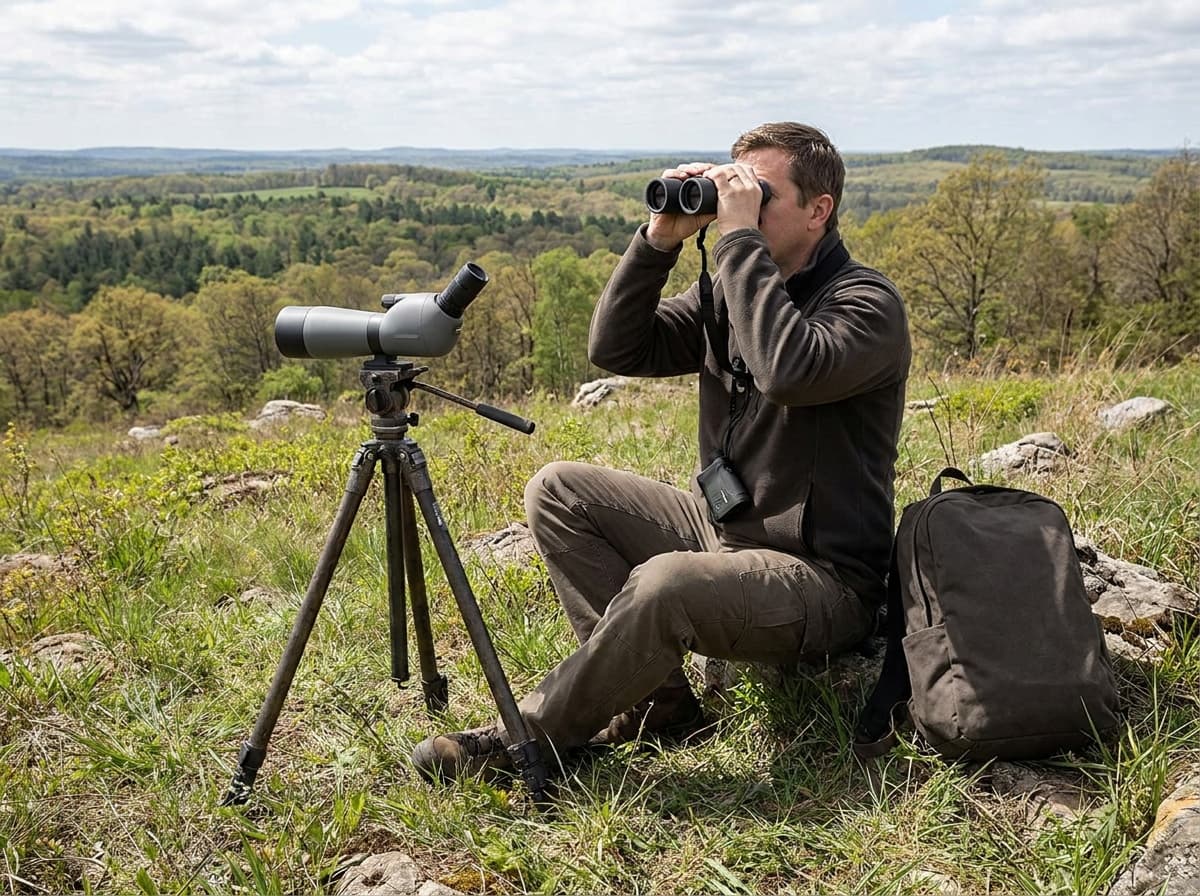
Built for: Hunters and wildlife observers choosing which optics deserve chest space, tripod time, and pack weight.
Check these first
Can it stay comfortable and accessible through repeated scans?
A 10x42 is the broad all-around choice for open edges and mixed terrain. Lower power can steady the view and widen the field in timber.
Choose the binocular you will keep on your chest, not the one with the most impressive specification sheet.
Vortex · Binoculars
Best for: The default first serious hunting binocular for whitetail and western hunters on a working budget.
$150-300
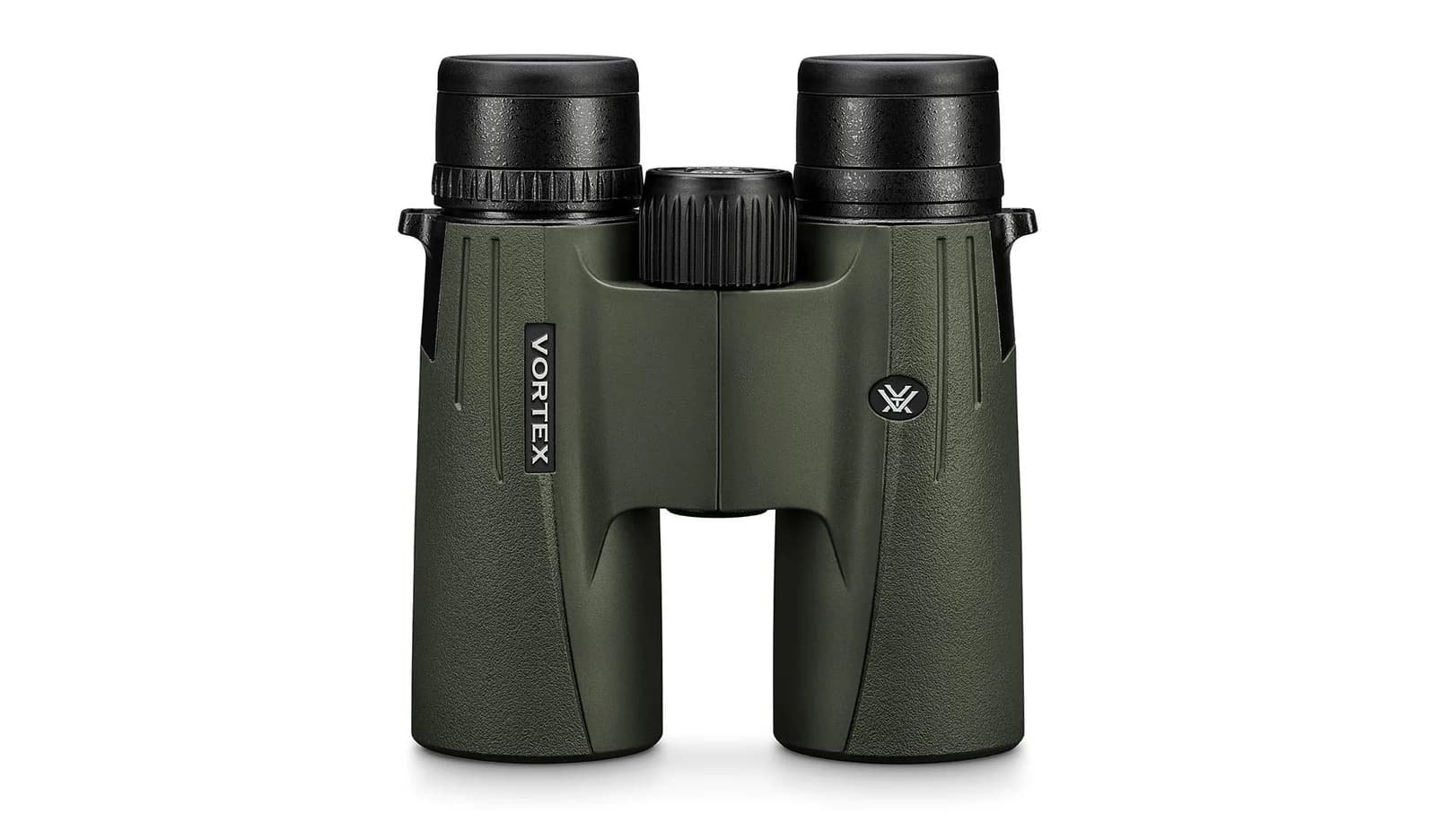
Vortex · Binoculars
Best for: Hunters stepping up from entry glass who want most of the alpha-binocular experience without the alpha price.
$300-600
Do angle, target size, and vegetation make visual estimates unreliable?
A simple rangefinder handles many field positions. Longer-range models earn their size and cost when small targets, steep angles, or open country are routine.
Test the display against dark timber and bright sky before trusting range claims.
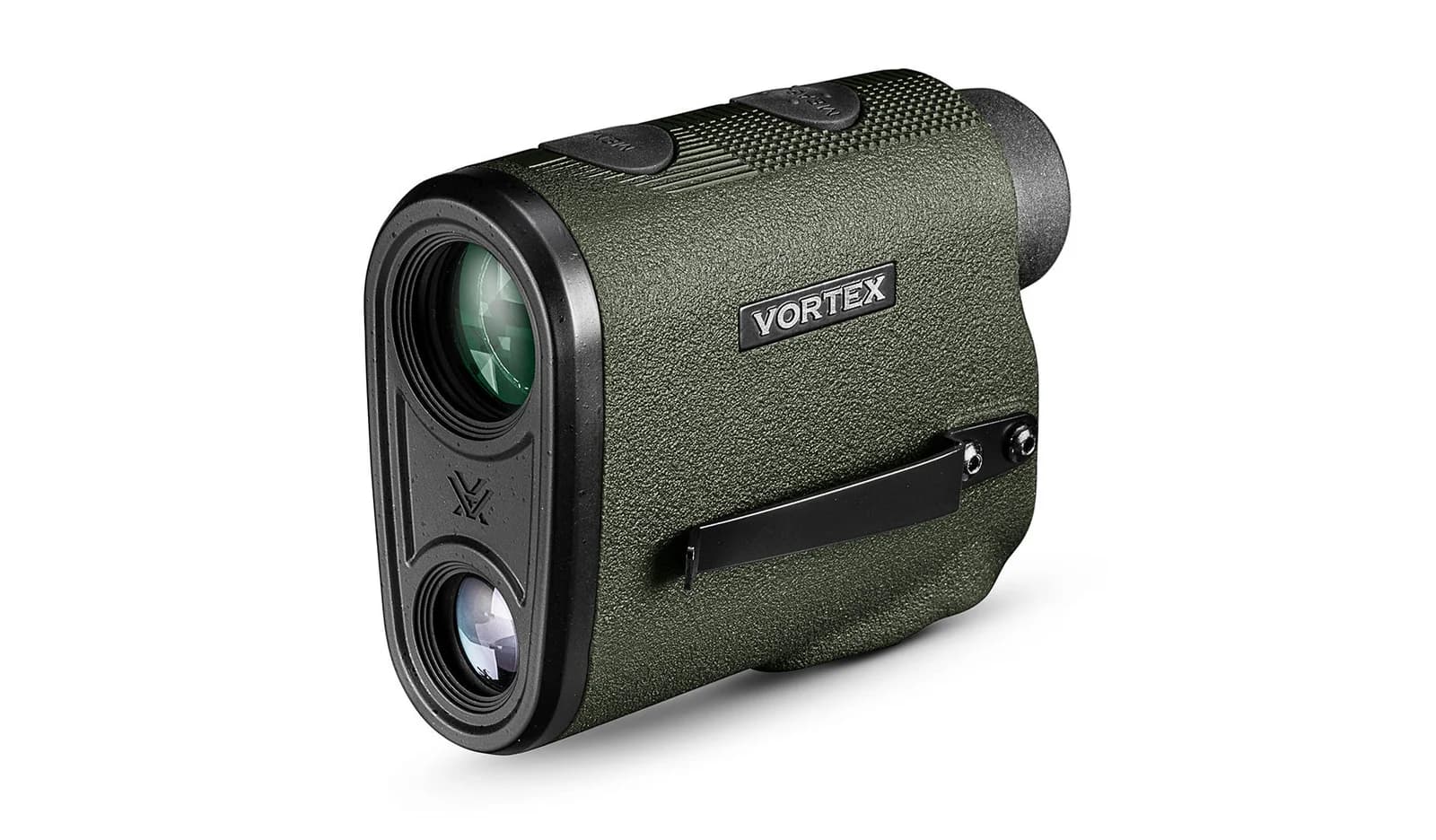
Vortex · Rangefinders
Best for: Hunters who want maximum ranging distance per dollar in a simple package.
$150-300
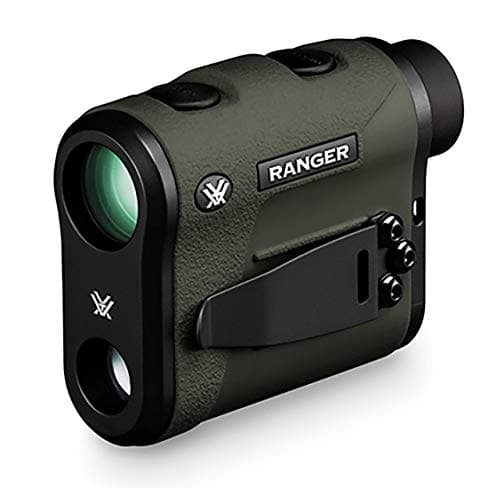
Vortex · Rangefinders
Best for: A do-everything rangefinder for rifle hunters who range across canyons and food plots alike.
$300-600
Will the terrain provide a stable position and enough time to use a tripod?
A compact 65 mm class scope saves weight. Larger objectives improve low-light viewing but demand more tripod and pack capacity.
Budget for a stable support because magnification without stability adds little useful detail.
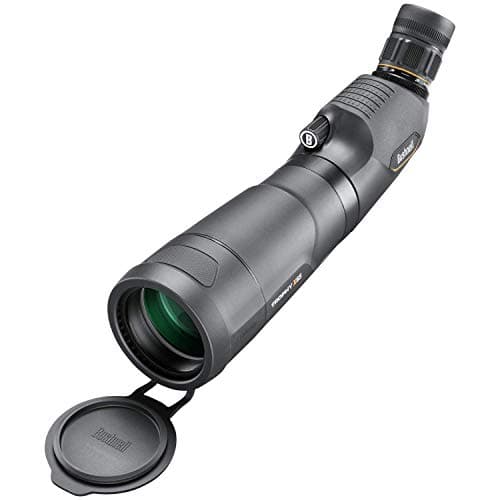
Bushnell · Spotting Scopes
Best for: The western hunter who wants a light, weatherproof spotter for glassing on the move.
$150-300
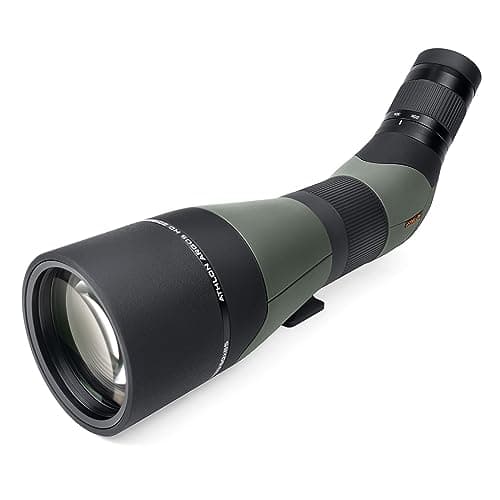
Athlon · Spotting Scopes
Best for: The value-focused hunter who wants full-size aperture without stepping into alpha pricing.
$300-600
Can the rangefinder, tripod, and covers be reached without unloading the main compartment?
The pack should protect glass while keeping the pieces used most in predictable locations. A heavy spotter may need real frame support.
Load the complete optics kit and walk with it before adding more magnification.
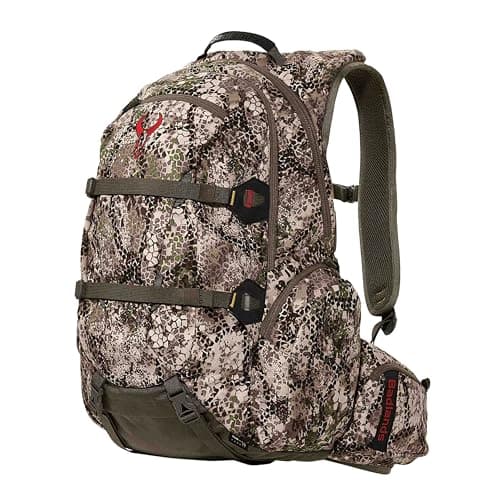
Badlands · Hunting Packs
Best for: The day hunter or treestand and ground-blind sitter who wants organized daypack storage without frame weight.
$50-150
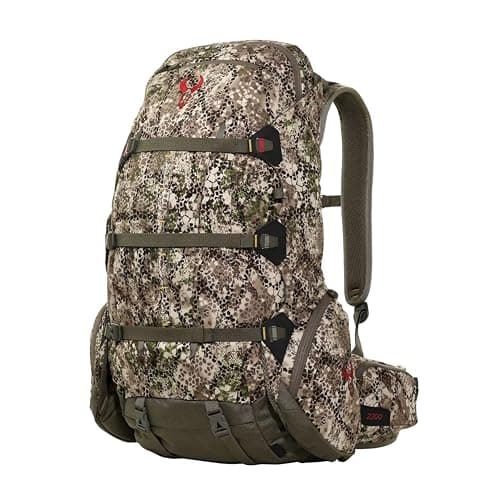
Badlands · Hunting Packs
Best for: The day-to-overnight hunter who wants one pack that carries gear in and quarters game out.
$150-300
Setup FAQ
Only when extended observation at distance justifies the extra weight and setup. Binoculars remain the faster working optic. A spotting scope adds detail from a stable position, not convenience.
It is a useful all-around size, but not universal. Lower magnification can be steadier and wider in timber, while open-country observation may justify more power if the view remains stable.
No. Start with binoculars only if it solves the first limitation in your current kit. Keep what already works, confirm exact fit before ordering, and add later stages when the field use justifies them.
Each product is already in the researched catalog with a defined best-fit use, documented strengths and tradeoffs, a verified model identity, and an exact-model photograph. The page uses them as practical starting points, not universal winners.
Need a different day?