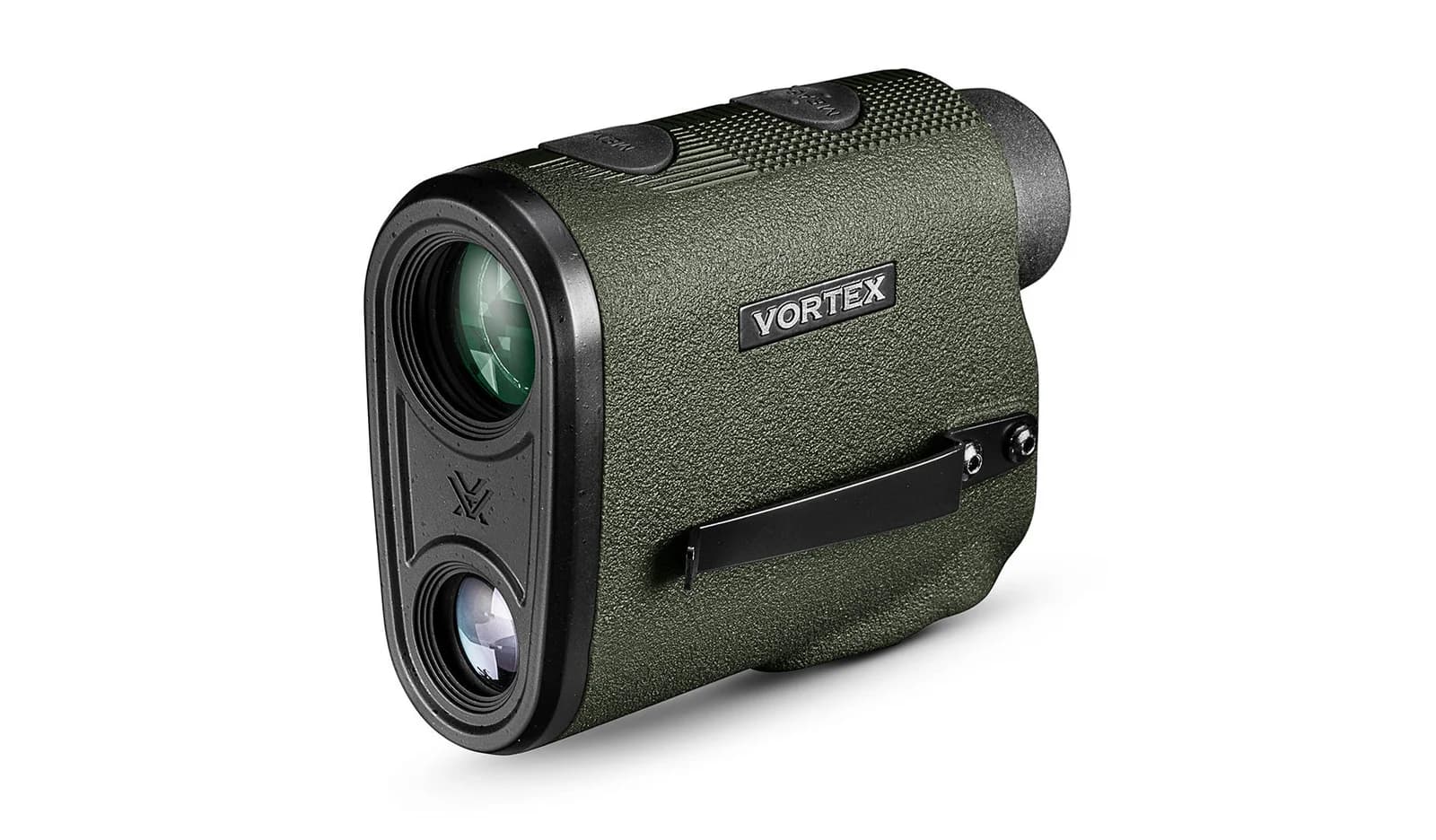
One of our picks
Vortex Diamondback HD 2000
Best for: Hunters who want maximum ranging distance per dollar in a simple package.
Rangefinders · angle · carry
Choose a rangefinder that reads the field. Compare field rangefinders by target acquisition, angle compensation, display visibility, optical fit, and weather performance.
One of our picks
Best for: Hunters who want maximum ranging distance per dollar in a simple package.
Research catalog updated
Target, angle, and display path
A headline maximum range is only one part of a rangefinder. Start with the targets you can realistically pick up, the terrain and brush between you and them, the display you can read in changing light, and the way you will carry and operate the unit before comparing long-range claims.
Reflective targets produce the biggest numbers. Trees, animals, rain, fog, dark timber, and small targets can shorten a practical read. Use the exact manufacturer specifications and manual, then practice on the kinds of targets and terrain you actually visit.
Write down the targets you need to read most often and the farthest practical distance, not the reflective headline. Include dark timber, brush, rain, snow, steep ground, and small targets if they are part of the day. A compact unit that returns quickly on real targets can be more useful than a longer-rated unit that needs a perfect surface.
Decide whether line-of-sight, angle-compensated distance, scan mode, or a dedicated archery mode belongs in the workflow. Compare red or black display behavior, brightness control, reticle options, eye relief, diopter range, button placement, and operation with the gloves or eyewear you actually use.
Budget for the rangefinder, battery or spare, tether, pouch or bino-harness pocket, lens cover, rain protection, and any compatible tripod adapter. Practice single reads and scan passes from the same field position so the device is ready before the decision moment.
Official manufacturer resource
Use the manufacturer page and manual to confirm magnification, practical tree and animal ranges, HCD and LOS modes, scan behavior, display, angle range, and carry weight.
Check Vortex detailsOfficial manufacturer resource
Review the official specifications for display, 5x optical fit, bow mode, Flightpath, angle compensation, weather sealing, battery life, and stated target ranges.
Check Leupold detailsOfficial manufacturer resource
Compare Maven's field and forest functions, angle compensation, obstruction filter, 7x25 optics, and stated 5 to 4,500 yard ranging effectiveness against the targets you actually range.
Check Maven detailsManufacturer resources checked August 8, 2026.
Three places to start
Line up fit, strengths, limitations, and useful specifications before you open a retailer page.
Swipe sideways to compare every model.
| Compare | 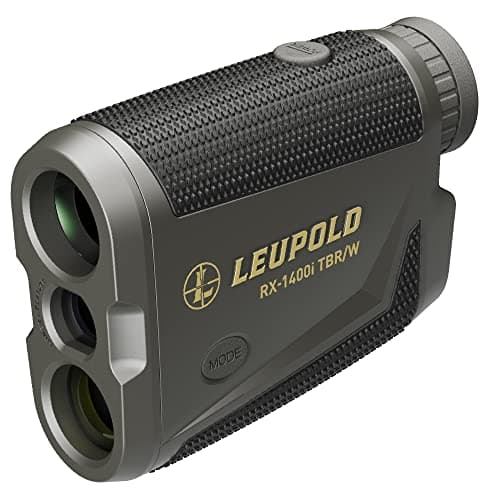 Lower price range Lower price rangeLeupold RX-1400i TBR/W Gen 2Leupold | 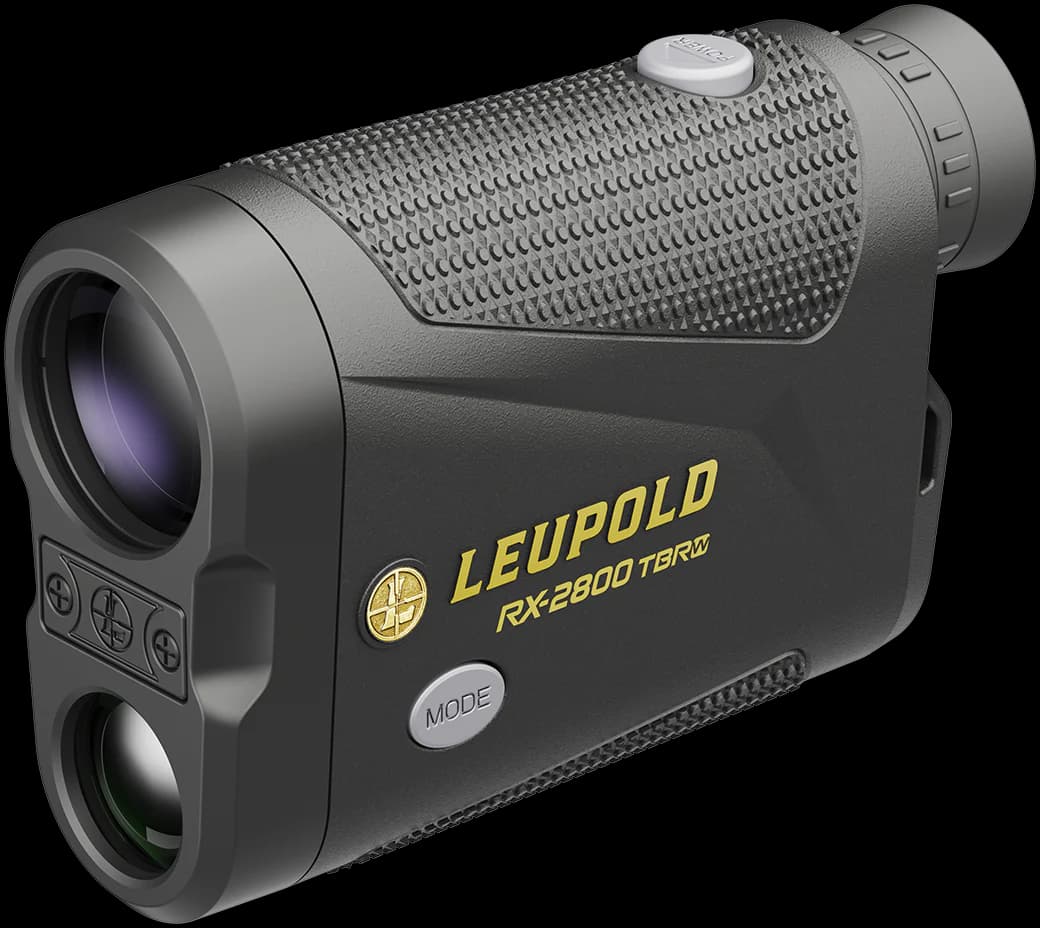 Middle price range Middle price rangeLeupold RX-2800 TBR/WLeupold | 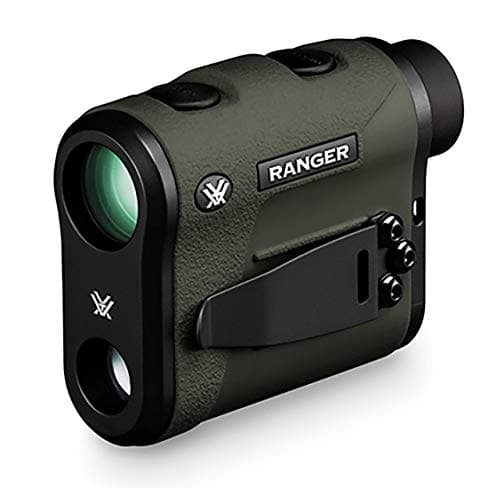 Higher price range Higher price rangeVortex Ranger 1800Vortex |
|---|---|---|---|
| Price range | $150-300 | $300-600 | $300-600 |
| Best for | The best first rangefinder for most hunters, with real ballistic brains at an entry price. | Open-country rifle hunters who need dependable ranging well past 1000 yards. | A do-everything rangefinder for rifle hunters who range across canyons and food plots alike. |
| Strong point | Red display stays readable in dark timber and low light | Reliable long returns on non-reflective targets | Fast, repeatable returns on game-size targets |
| Watch for | Housing is light plastic and feels budget grade | Two-button interface makes menu changes clunky | Black LCD display is hard to read against dark timber at last light |
| Max reflective range | 1400 yards | 2800 yards | 1800 yards |
| Magnification | 5x | 7x | 6x |
| Ballistics | TBR/W true ballistic range with wind holds | TBR/W with wind holds | Not specified |
| Next step | Check at AmazonProduct details | Check at Molly'sProduct details | Check at AmazonProduct details |
We chose one lower, middle, and higher-priced model from products we researched and matched to a current retailer page. This is a useful starting point, not a ranking.
What to compare
Once you know how and where you will use the gear, the specifications become much easier to compare.
Reflective maximums rarely describe trees, animals, rain, or low-contrast targets, so prioritize realistic acquisition behavior.
Brightness, reticle, button placement, scan mode, and glove use decide whether a reading arrives quickly.
Magnification, eye relief, diopter adjustment, hand size, and steadiness matter alongside ranging electronics.
Build around the job
Each system connects rangefinders to the other roles that matter in the field. Keep what already works and replace only the weak link.
Shop every activityRangefinders roleAdds a measured distance and angle reference after a target is found.
Binoculars · Spotting Scopes · Hunting Packs
See the complete setupRangefinders roleAdds a measured distance and angle reference for the exact field position.
Archery Gear · Hunting Equipment Cases · Hunting Packs
See the complete setupSportsman Authority picks
Every card tells you who it fits, what it does well, what to watch for, and where to check the current price.
Leupold · Rangefinders
Best for: The best first rangefinder for most hunters, with real ballistic brains at an entry price.
Red display stays readable in dark timber and low light. The main tradeoff is housing is light plastic and feels budget grade.
$150-300
Leupold · Rangefinders
Best for: Open-country rifle hunters who need dependable ranging well past 1000 yards.
Reliable long returns on non-reflective targets. The main tradeoff is two-button interface makes menu changes clunky.
$300-600
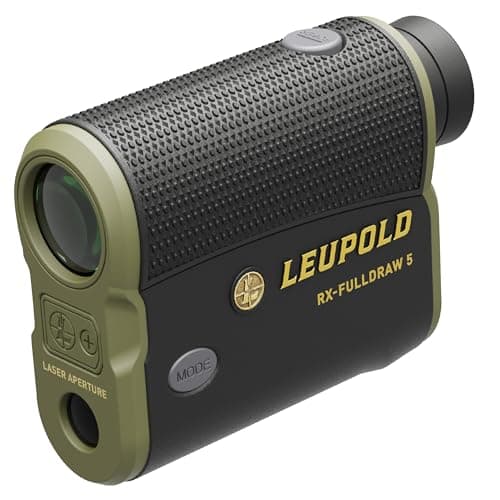
Leupold · Rangefinders
Best for: Dedicated bowhunters who want the most archery-specific ranging tech available.
Purpose-built for bowhunters, not a rifle unit with a bow mode. The main tradeoff is archery focus makes it a second-choice unit for rifle seasons.
$300-600
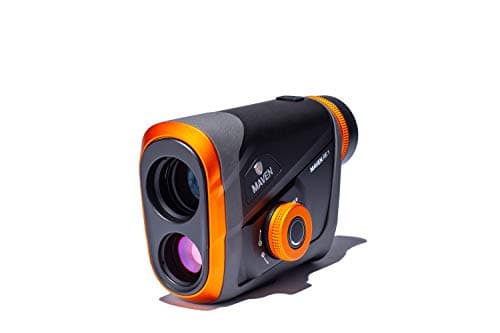
Maven · Rangefinders
Best for: Glass-quality obsessives who want alpha-grade ranging optics without a ballistics ecosystem.
Big glass quality in the eyepiece compared with typical rangefinders. The main tradeoff is no Bluetooth or ballistic app pairing.
$300-600
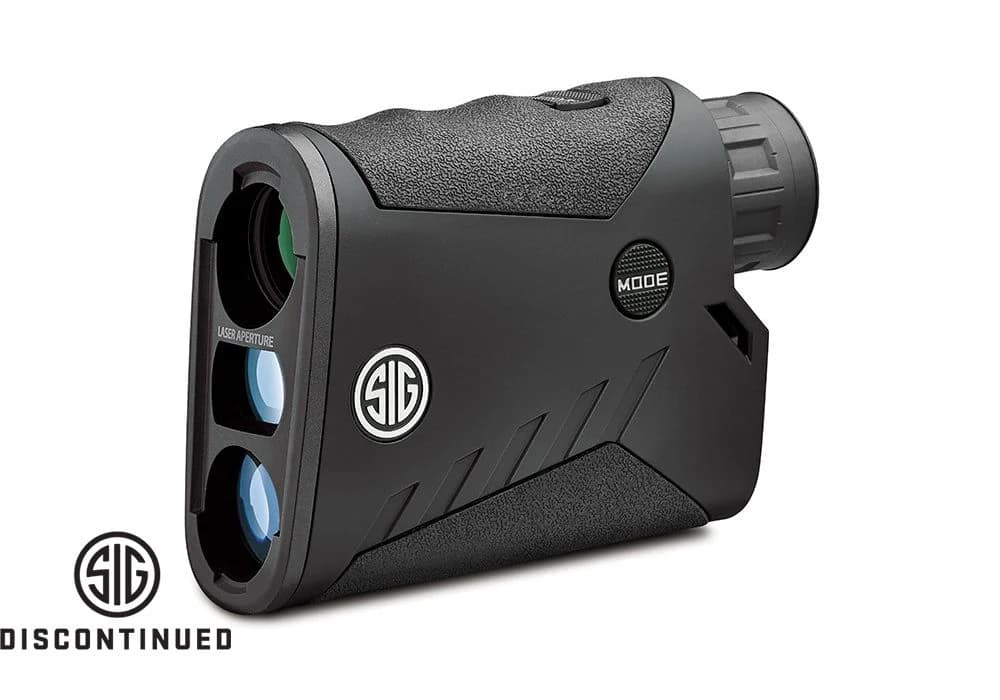
SIG Sauer Electro-Optics · Rangefinders
Best for: Whitetail and turkey hunters who range inside 400 yards and want speed over frills.
Fast processor for its price tier. The main tradeoff is small 20 mm objective runs dim at dawn and dusk.
$150-300
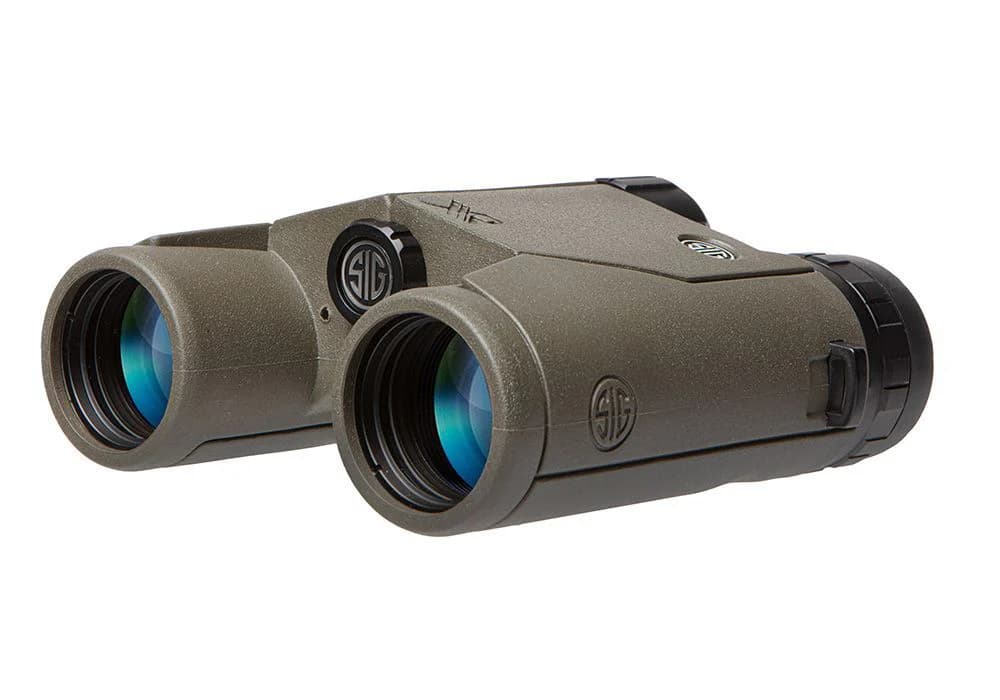
SIG Sauer Electro-Optics · Rangefinders
Best for: Western hunters who want binocular viewing, rangefinding, and ballistic calculations in one compact optic.
Combines 10x binocular viewing and ballistic ranging in one compact unit. The main tradeoff is menu and app setup have a learning curve.
$600-1000
Vortex · Rangefinders
Best for: Hunters who want maximum ranging distance per dollar in a simple package.
Long ranging power for the money. The main tradeoff is lCD display washes out in dim light.
$150-300
Vortex · Rangefinders
Best for: A do-everything rangefinder for rifle hunters who range across canyons and food plots alike.
Fast, repeatable returns on game-size targets. The main tradeoff is black LCD display is hard to read against dark timber at last light.
$300-600
Category FAQ
Start with the target and terrain you can actually see. Reflective signs and open surfaces create the largest headline numbers, while trees, animals, brush, rain, fog, and dark timber reduce practical range. Choose a unit that returns quickly on your normal targets with some margin instead of paying only for the biggest reflective rating.
It is useful when the field position has meaningful up or down angles, including steep ground, elevated stands, or archery lanes. On flat ground, line-of-sight distance may be enough. Check whether the exact unit offers the mode you need and learn which reading it displays before relying on it.
A bright red display can stay easier to read in low light, while a black display can look clean in bright conditions. Brightness control, reticle choice, eye relief, diopter range, and the contrast between the readout and the background matter as much as the color. Test it with your eyewear and gloves.
Plan for a fresh battery or spare, tether, pouch or bino-harness pocket, lens cover, rain protection, and a compatible tripod adapter only if your use calls for one. Practice single reads and scan passes from the positions you actually use so the carry system stays quiet and reachable.