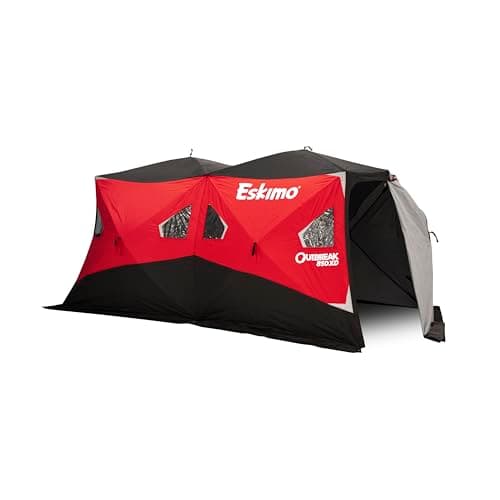
Eskimo · Ice Shelters
Eskimo Outbreak 350XD
Best for: One or two anglers who want Outbreak features without hauling the full 450 footprint.
$300-600
Ice Fishing field setup
A stable ice-fishing basecamp sized around the people, heat, ventilation, holes, and gear that actually need to fit.
4 field decisions · 8 researched starting points · updated July 28, 2026
Before you spend
Built for: Pairs, families, and small groups who stay in one area long enough for shelter comfort to matter.
Check these first
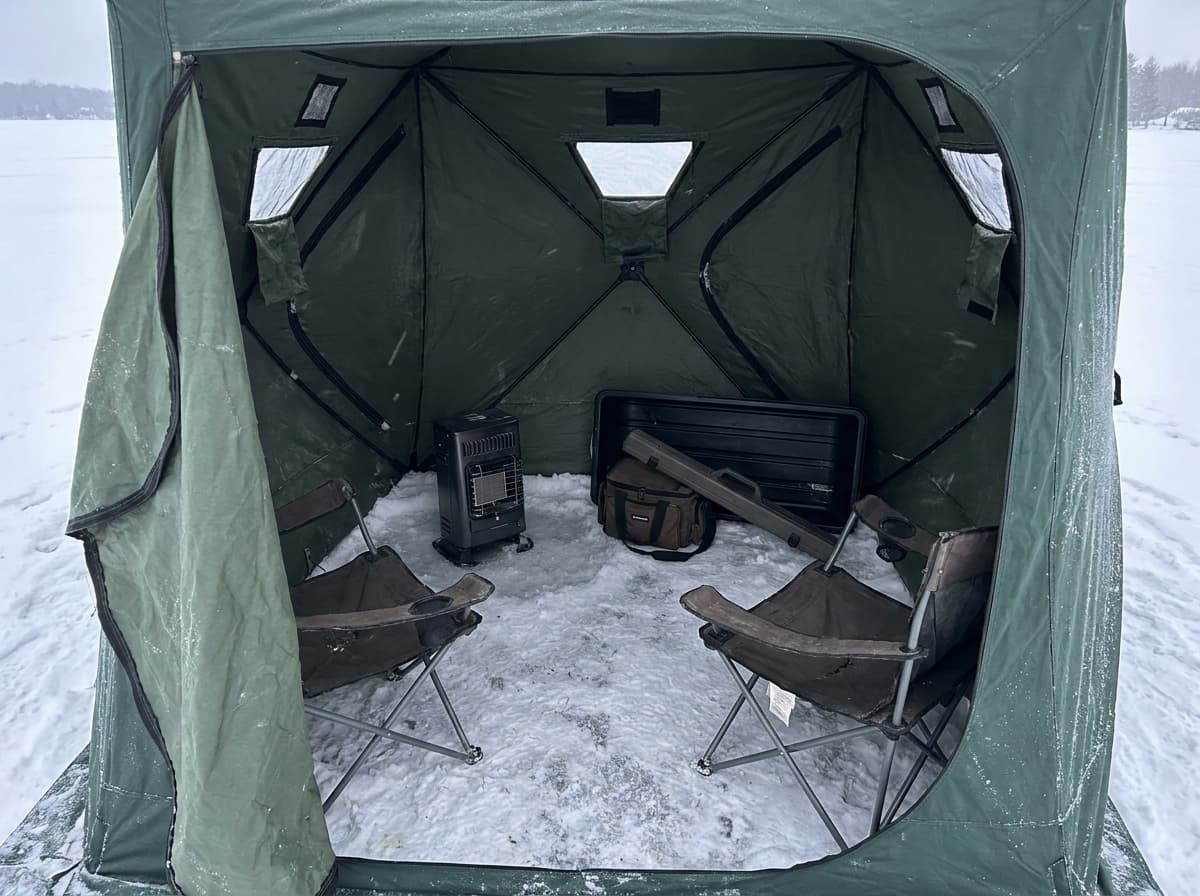
Where will holes, seats, heater, sonar, and wet gear actually sit?
Advertised capacity assumes tight seating. A smaller group with electronics and a heater often needs the next size up, especially for long days.
Tape the floor dimensions in a garage and place the real chairs and heater inside them.
Eskimo · Ice Shelters
Best for: One or two anglers who want Outbreak features without hauling the full 450 footprint.
$300-600
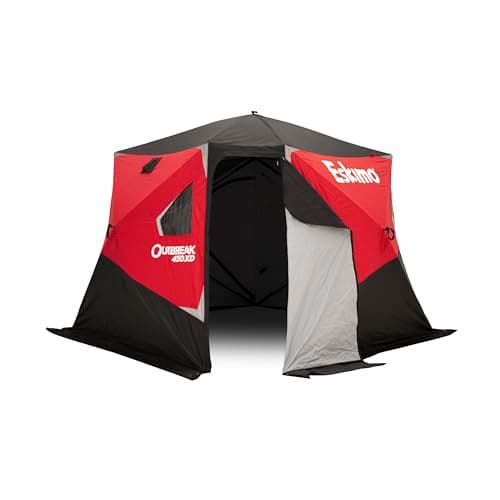
Eskimo · Ice Shelters
Best for: Small groups and family anglers who want one hub that covers day trips and overnight ice camping.
$300-600
What output holds comfort without forcing the heater to run flat out?
A small portable heater covers most compact hubs. Larger shelters and overnight use demand more output, more fuel planning, and disciplined ventilation.
Follow the heater maker's clearance, ventilation, and approved-use instructions every trip.
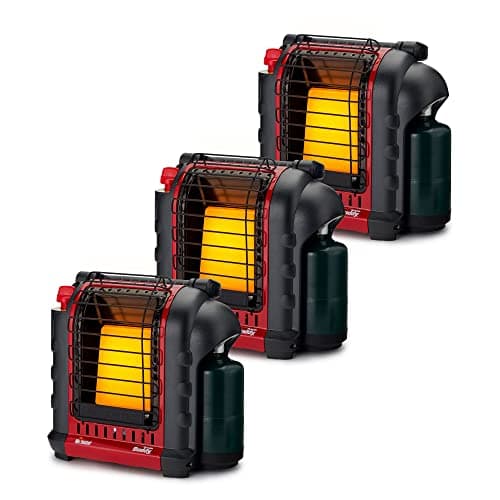
Mr. Heater · Shelter Heaters
Best for: The one-heater answer for most flip-overs and small hubs, and the benchmark the category is judged against.
$50-150
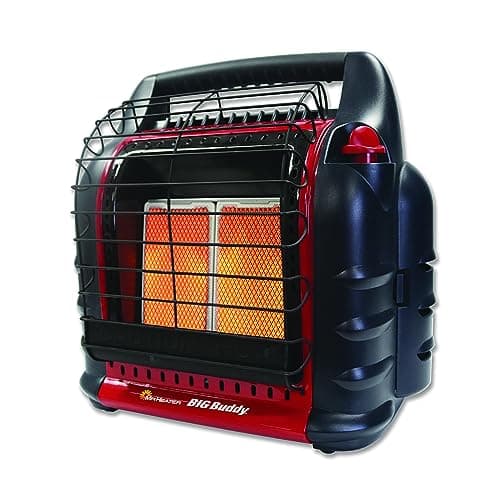
Mr. Heater · Shelter Heaters
Best for: Hub anglers and ice campers heating three to six person shelters through hard cold.
$150-300
Can the clothing system handle setup, wind, and the walk back without depending on cabin heat?
The shelter is a comfort layer, not the whole clothing plan. Choose outerwear for travel and exposure, then vent inside.
Never let a warm hub justify inadequate clothing for the route home.
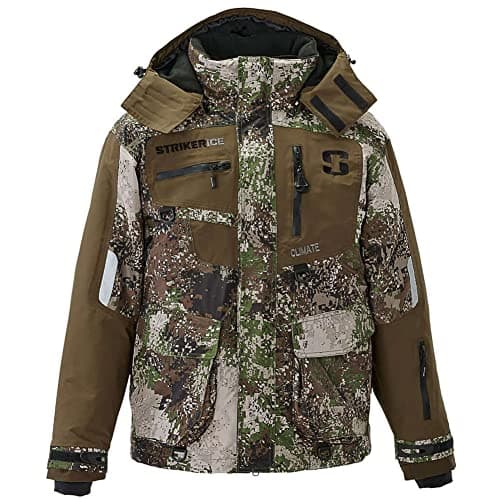
Striker · Float Suits
Best for: The all-season flagship float jacket for anglers who fish through every ice stage.
$150-300
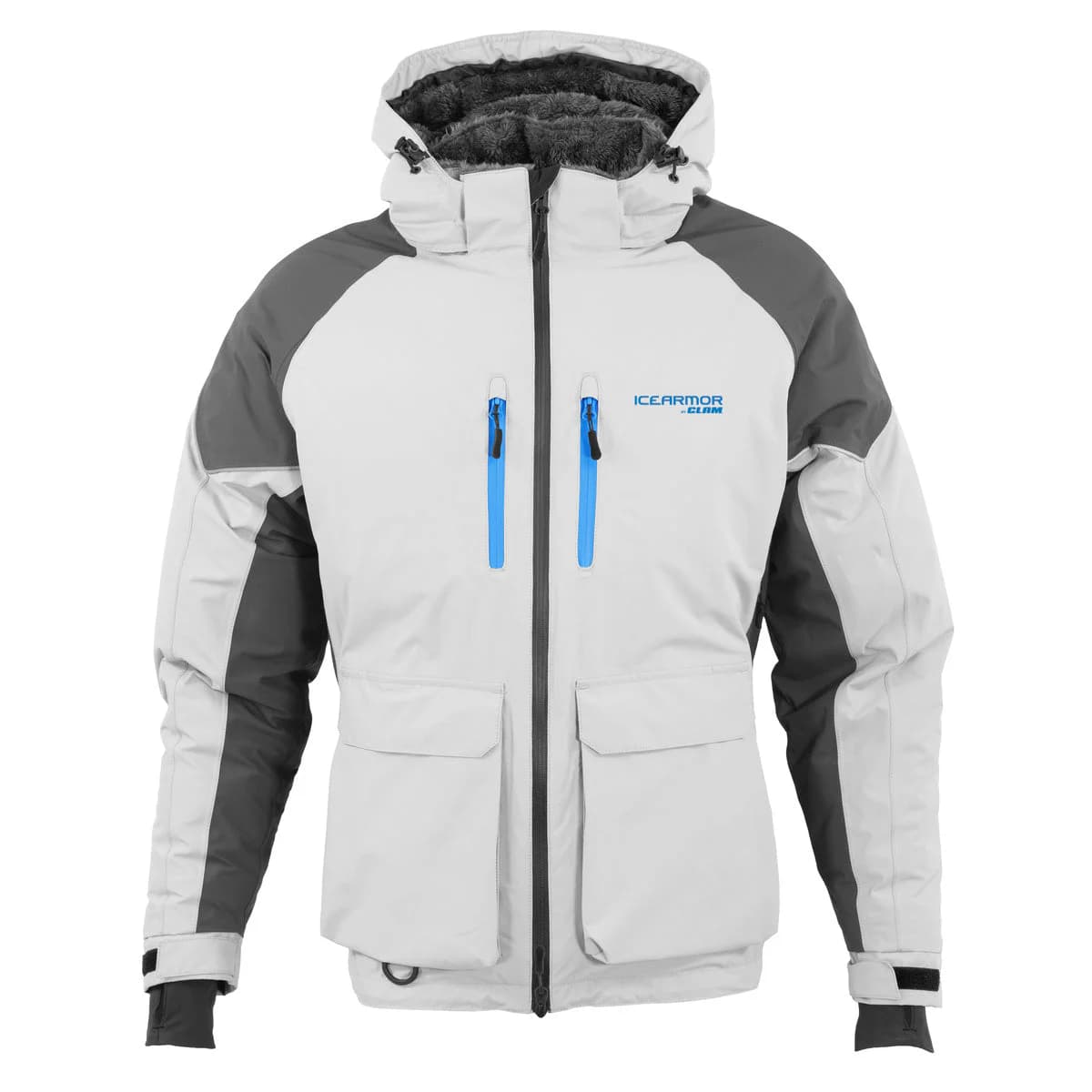
Clam · Float Suits
Best for: Women fishing exposed or extremely cold conditions who prioritize warmth and a current women-specific float-assist pattern.
$150-300
Will the shelter be pulled by hand or towed behind a machine?
A basic sled works for light hand-pull loads. Towed systems need a tougher tub, secure cover, and a hitch built for repeated use.
Tie down the load below the sled rim and keep emergency items reachable without unpacking everything.
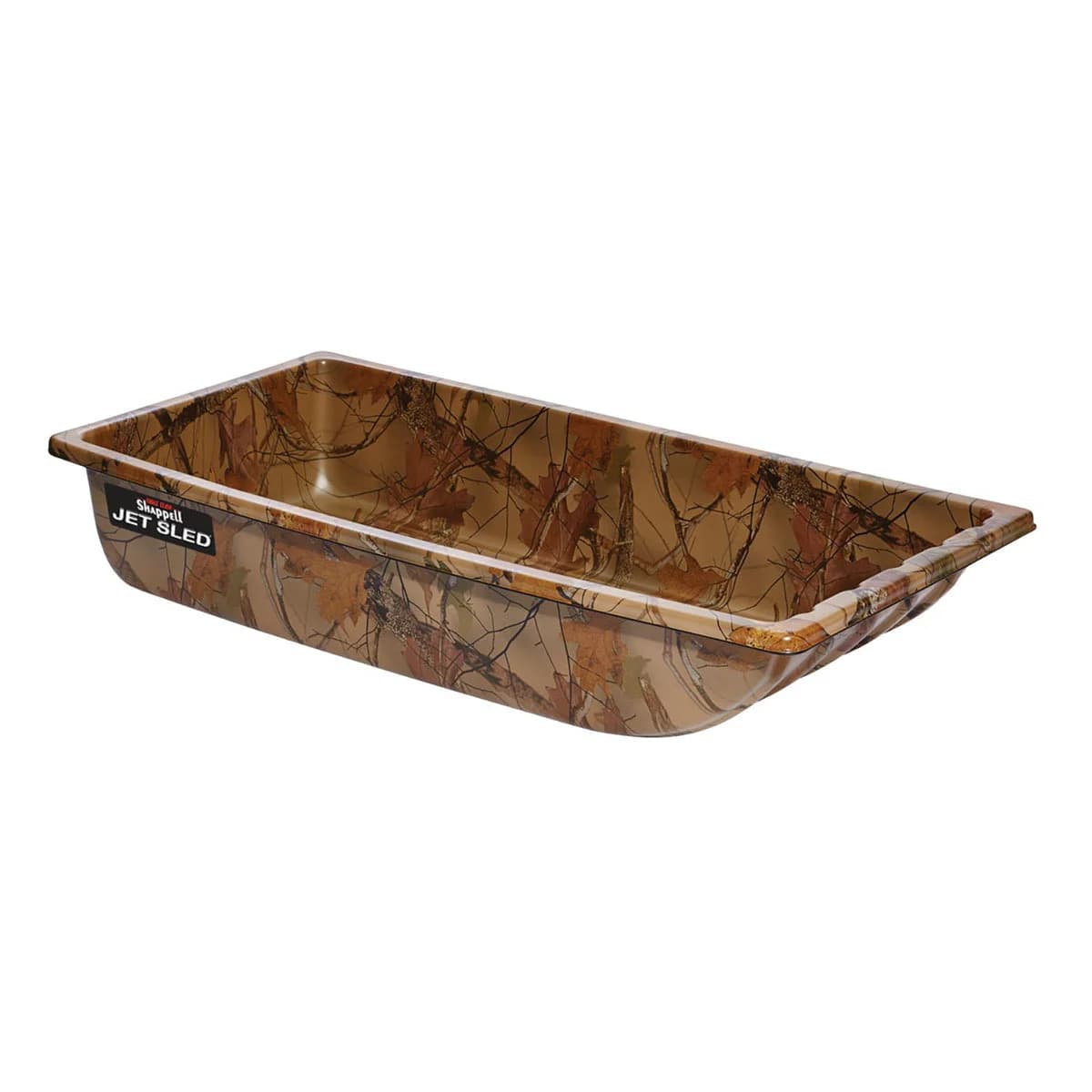
Eagle Claw Shappell · Ice Reference Gear & Sleds
Best for: Hauling a typical hand-pull load of auger, bucket, and shelter on a budget.
$50-150
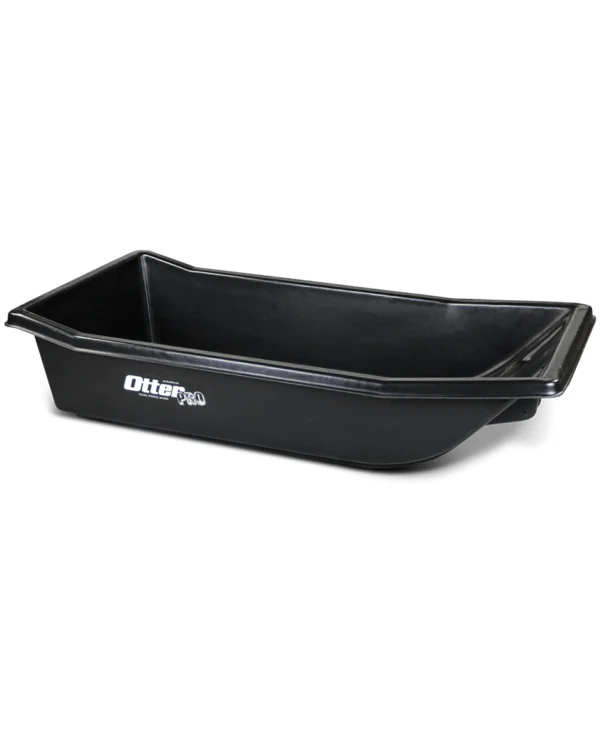
Otter Outdoors · Ice Reference Gear & Sleds
Best for: Snowmobile and ATV towing where a thin sled would be ground away in a season.
$150-300
Setup FAQ
Two anglers with one heater, sonar units, and multiple holes often use a three-person hub more comfortably than a nominal two-person model. Compare the floor plan and packed weight instead of relying on the capacity label.
Shelter volume, insulation, wind, and outside temperature all matter. Many compact insulated hubs pair with a 9,000 BTU class heater, while larger hubs may need more. Follow shelter and heater instructions for ventilation and clearances.
No. Start with ice shelters only if it solves the first limitation in your current kit. Keep what already works, confirm exact fit before ordering, and add later stages when the field use justifies them.
Each product is already in the researched catalog with a defined best-fit use, documented strengths and tradeoffs, a verified model identity, and an exact-model photograph. The page uses them as practical starting points, not universal winners.
Need a different day?