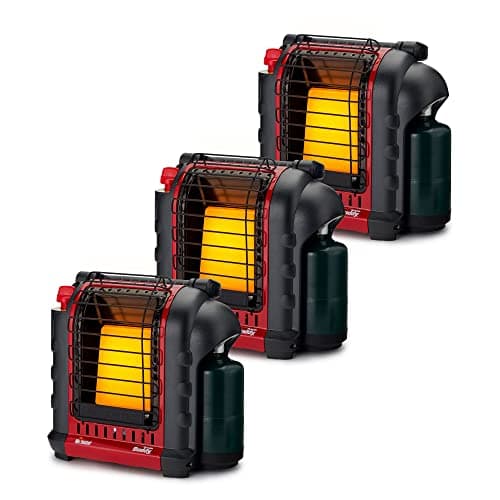
One of our picks
Mr. Heater Portable Buddy
Best for: The one-heater answer for most flip-overs and small hubs, and the benchmark the category is judged against.
Shelter heaters · propane · ventilation
Compare portable shelter heaters by output, fuel system, footprint, controls, and the ventilation demands of the space.
One of our picks
Best for: The one-heater answer for most flip-overs and small hubs, and the benchmark the category is judged against.
Research catalog updated
Volume, fuel, and ventilation path
A portable propane heater is one part of a shelter system. Start with occupied floor area, insulation, door openings, altitude, and how long you will stay. Then compare output, cylinder size, hose and filter requirements, clearances, ventilation, a carbon monoxide detector, and a dry storage plan.
Follow the current heater and shelter manuals every time. Fuel heaters consume oxygen and can produce carbon monoxide. A low-oxygen shutoff or tip-over switch does not replace required ventilation, clearances, a working detector, or the rule against leaving a burning heater unattended.
Use the heater and shelter manuals together. Floor area is only a starting point because insulation, wind, open doors, fabric, ceiling height, and the number of people change the useful heat. More BTUs do not remove the need for airflow and clearances.
A one-pound cylinder keeps a small kit simple, while a larger tank can reduce swaps when the heater and approved hose or filter support it. Compare runtime at the setting you use, cold-tank behavior, hose storage, fuel transport, and the parts path before choosing by output.
Price a stable placement, required clearances, ventilation, a working carbon monoxide detector, spare igniter batteries, an approved hose and filter, a carry bag, dry-out space, and replacement-part access. Read the exact manuals before using a heater in a shelter or storing fuel for the next trip.
Official manufacturer resource
Review the current 4,000 and 9,000 BTU output, 225 square foot product guidance, cylinder and hose options, low-oxygen and tip-over systems, runtime, altitude limit, and manual warnings.
Check Portable BuddyOfficial manufacturer resource
Check the current 4,000, 9,000, and 18,000 BTU settings, two-cylinder connection, larger tank hose requirements, coverage guidance, current fan change, and service notes.
Check Big Buddy detailsOfficial manufacturer resource
Use the manufacturer's manual library for model-specific operating instructions, approved hoses and filters, ventilation language, parts, recalls, and service support before setting up a heater.
Open Buddy manualsManufacturer resources checked August 9, 2026.
Three places to start
Line up fit, strengths, limitations, and useful specifications before you open a retailer page.
Swipe sideways to compare every model.
| Compare | 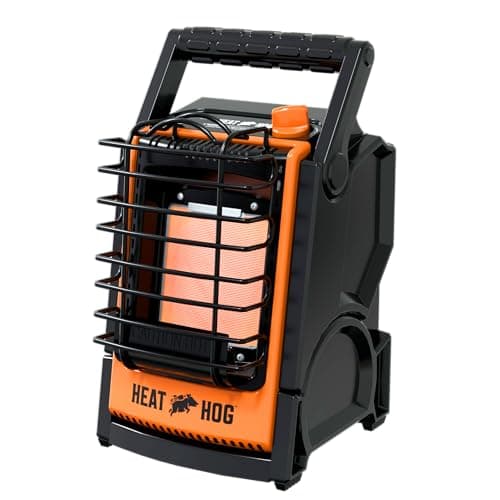 Lower price range Lower price rangeHeat Hog 9,000 BTU LP HeaterHeat Hog | Middle price rangeMr. Heater Portable BuddyMr. Heater | 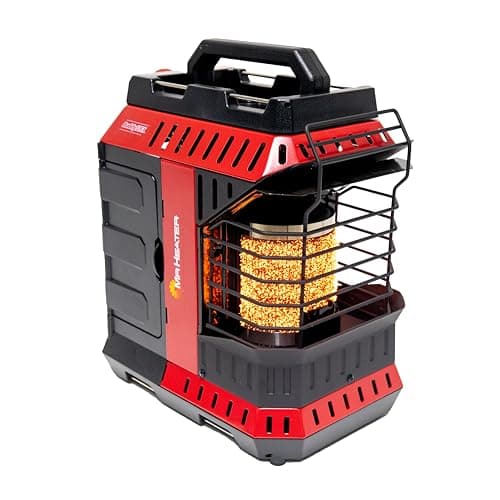 Higher price range Higher price rangeMr. Heater Buddy FLEXMr. Heater |
|---|---|---|---|
| Price range | $50-150 | $50-150 | $150-300 |
| Best for | Buddy-class buyers who want the slush-reducing angled burner in a one or two person shelter. | The one-heater answer for most flip-overs and small hubs, and the benchmark the category is judged against. | Anglers heating mid-size shelters who also want to link a cooker for shore lunches on the ice. |
| Strong point | Rotating element points heat at anglers instead of melting the floor into slush | The default ice shelter heater for good reason: simple, cheap to run, widely available | More output headroom than the classic Portable Buddy |
| Watch for | Younger brand with a smaller dealer and parts network than Mr. Heater | 9,000 BTU tops out around a two or three person shelter in deep cold | Costs noticeably more than the Portable Buddy for a modest BTU bump |
| Output | 9,000 BTU class portable propane radiant | 4,000 or 9,000 BTU radiant | 8,000 or 11,000 BTU radiant |
| Safety | Low-oxygen shutoff | Low-oxygen shutoff and accidental tip-over shutoff | Low-oxygen sensor and accidental tip-over shutoff |
| Coverage | Not specified | Up to 225 square feet | Up to 275 square feet |
| Next step | Check at AmazonProduct details | Check at AmazonProduct details | Check at AmazonProduct details |
We chose one lower, middle, and higher-priced model from products we researched and matched to a current retailer page. This is a useful starting point, not a ranking.
What to compare
Once you know how and where you will use the gear, the specifications become much easier to compare.
Size output to the occupied space, insulation, weather, and door use instead of choosing maximum heat by default.
Cylinder size, hose compatibility, regulator needs, and cold-weather storage affect real runtime and portability.
Follow the heater and shelter manuals for fresh air, clearances, stability, and carbon-monoxide precautions every time.
Build around the job
Each system connects shelter heaters to the other roles that matter in the field. Keep what already works and replace only the weak link.
Shop every activitySportsman Authority picks
Every card tells you who it fits, what it does well, what to watch for, and where to check the current price.
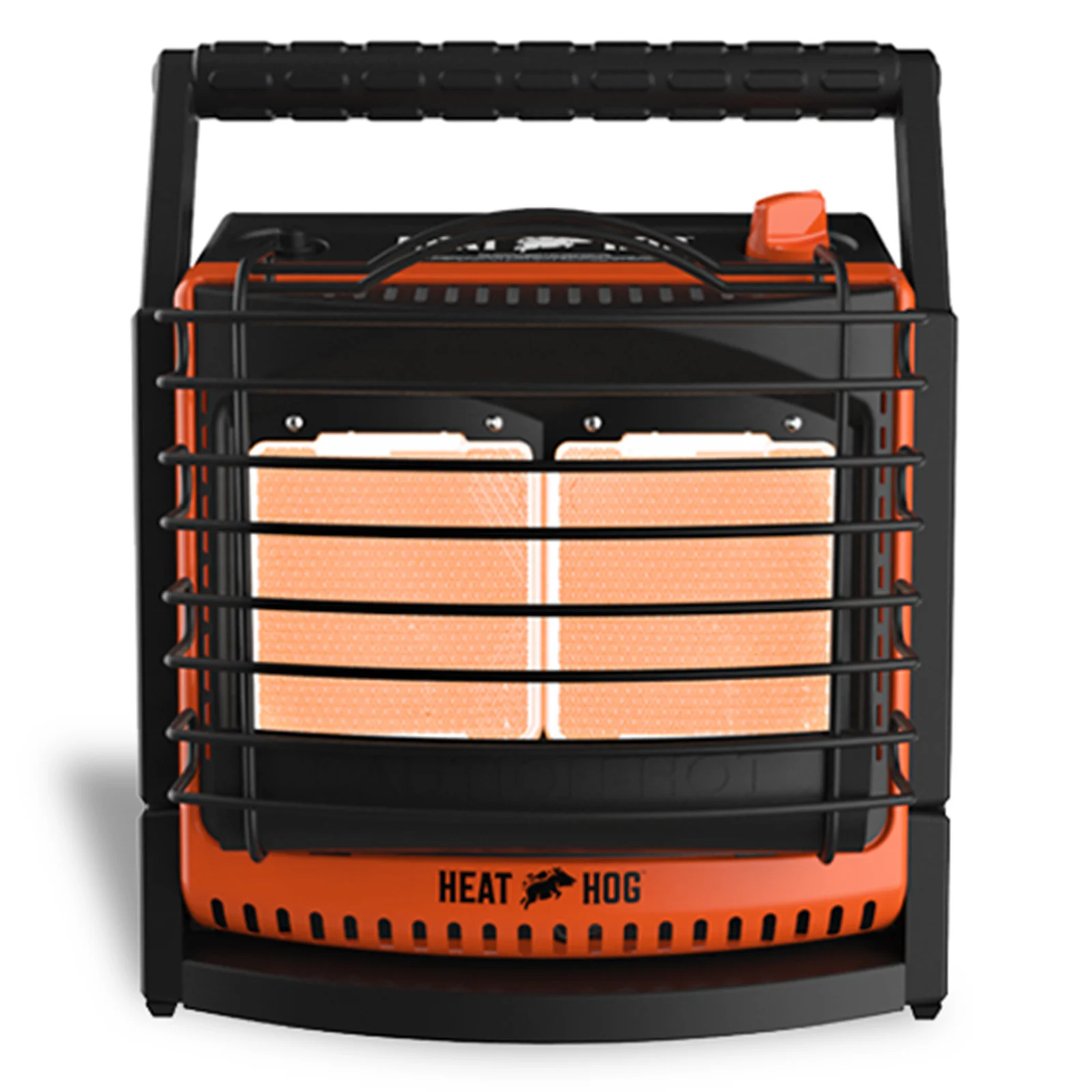
Heat Hog · Shelter Heaters
Best for: Ice campers and big-hub crews who need Big Buddy class output with heat aimed off the floor.
Big-hub output used by Outdoor Life to heat a 132 square foot Monster Lodge. The main tradeoff is high output demands vigilant ventilation, and a carbon monoxide detector is a must in any enclosed shelter.
$150-300
Heat Hog · Shelter Heaters
Best for: Buddy-class buyers who want the slush-reducing angled burner in a one or two person shelter.
Rotating element points heat at anglers instead of melting the floor into slush. The main tradeoff is younger brand with a smaller dealer and parts network than Mr. Heater.
$50-150
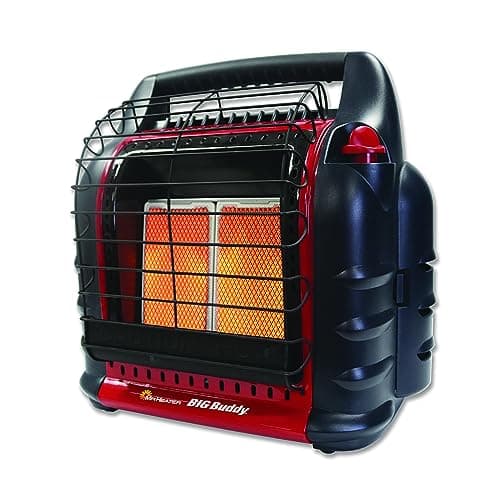
Mr. Heater · Shelter Heaters
Best for: Hub anglers and ice campers heating three to six person shelters through hard cold.
Enough output to keep a large hub comfortable in subzero weather. The main tradeoff is bulky in a packed sled compared with the Portable Buddy.
$150-300
Mr. Heater · Shelter Heaters
Best for: Anglers heating mid-size shelters who also want to link a cooker for shore lunches on the ice.
More output headroom than the classic Portable Buddy. The main tradeoff is costs noticeably more than the Portable Buddy for a modest BTU bump.
$150-300
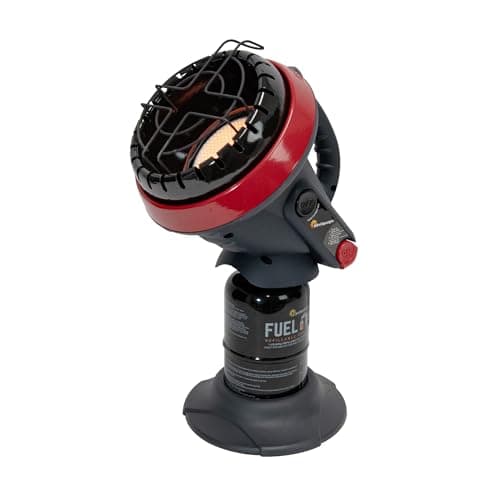
Mr. Heater · Shelter Heaters
Best for: Solo anglers in one-person flips who want the lightest possible heat source for milder days.
Smallest and lightest heater in the Buddy family. The main tradeoff is upward-angled radiant head warms a small zone, not a whole shelter.
$50-150
Mr. Heater · Shelter Heaters
Best for: The one-heater answer for most flip-overs and small hubs, and the benchmark the category is judged against.
The default ice shelter heater for good reason: simple, cheap to run, widely available. The main tradeoff is 9,000 BTU tops out around a two or three person shelter in deep cold.
$50-150
Category FAQ
Start with the exact shelter and heater manuals, then consider floor area, insulation, wind, door openings, ceiling height, altitude, and the number of people. Use the smallest output that fits the documented space and routine, and keep ventilation, clearances, and a carbon monoxide detector in the plan. A higher BTU rating is not a substitute for an approved setup.
One-pound cylinders are compact and easy to swap. A larger tank can reduce changes during a long stay, but only when the heater, hose, regulator, filter, shelter, and local requirements support that connection. Compare cold-weather fuel behavior, storage, transport, leak checks, and the manufacturer's approved accessory list before switching tanks.
Only when the exact heater and shelter instructions, certification, local requirements, ventilation, and clearances allow that use. Keep a working carbon monoxide detector, provide the required fresh-air opening, keep the heater stable and away from fabric or gear, and never leave it burning unattended. Do not improvise a cooking attachment or defeat a shutdown system.
A shutdown can result from low oxygen, airflow, fuel pressure, a cold cylinder, a tip switch, altitude, or a maintenance issue. Follow the model manual, move to fresh air, check the approved fuel and hose setup, and contact the manufacturer when the behavior continues. Never bypass a low-oxygen or tip-over system to keep a heater running.