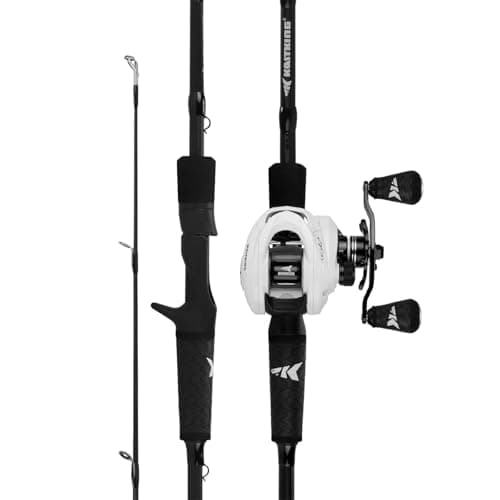
KastKing · Baitcasting Combos
KastKing Crixus Baitcasting Combo
Best for: A first-time baitcaster buyer who wants to learn thumb control before committing real money.
$50-150
Fishing field setup
A forgiving first baitcasting setup that teaches thumb control without making every backlash feel expensive.
3 field decisions · 6 researched starting points · updated July 28, 2026
Before you spend
Built for: Spinning-gear anglers learning to cast heavier bass lures, jigs, and moving baits.
Check these first
Does the braking system give you room to learn?
A matched medium or medium-heavy combo keeps the reel and rod in the same useful range. Easy brake adjustment matters more than an extra bearing on day one.
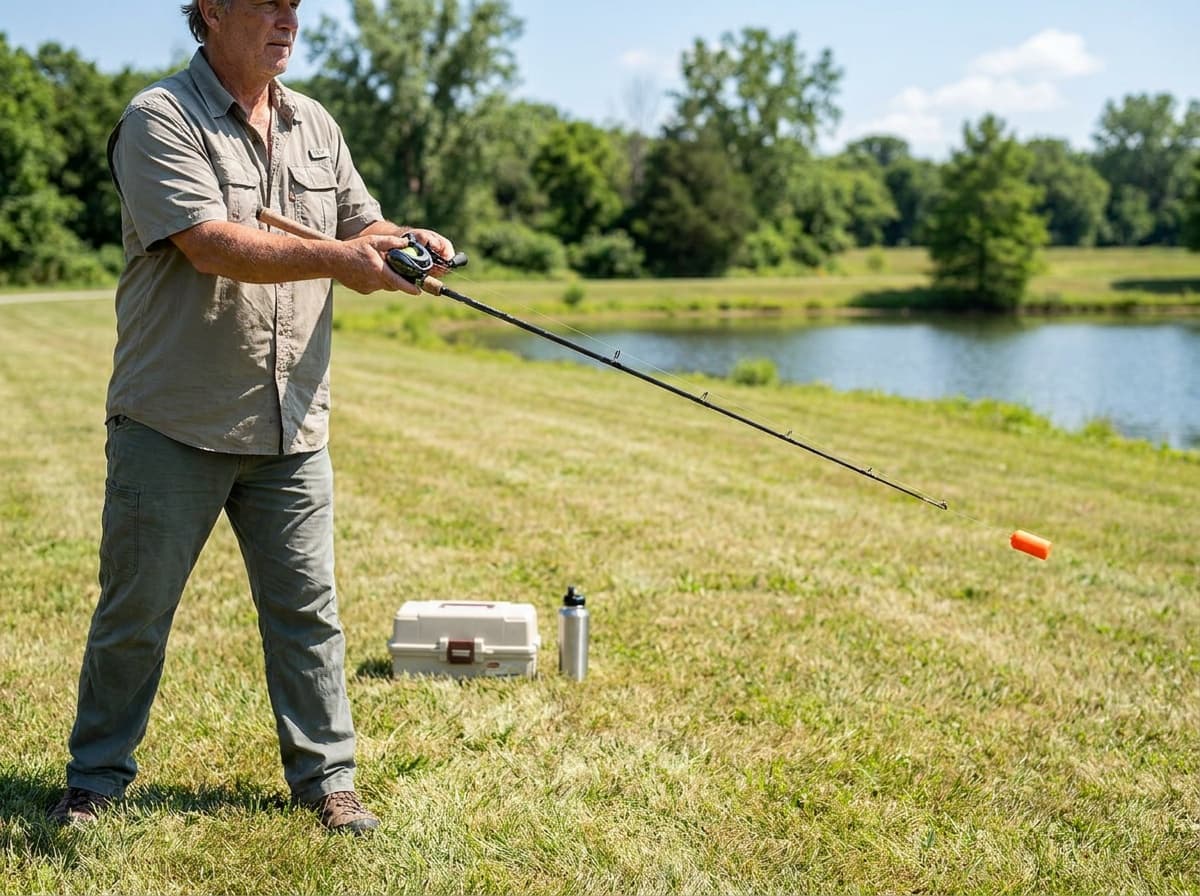
Set more brake than you think you need, then back it off one click at a time as the cast stays controlled.
KastKing · Baitcasting Combos
Best for: A first-time baitcaster buyer who wants to learn thumb control before committing real money.
$50-150
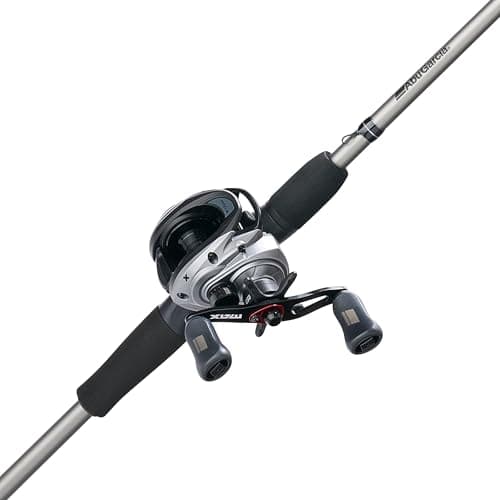
Abu Garcia · Baitcasting Combos
Best for: The value buyer who wants the safest name-brand entry into baitcasting gear.
$50-150
Do you want easy knotting and cheap respools, or low-stretch braid?
Smooth monofilament is inexpensive and easier to cut out after a bad backlash. Braid lasts longer and picks out cleanly, but it can bury into itself under load.
Use enough backing to keep fresh line near the spool lip and avoid overfilling.
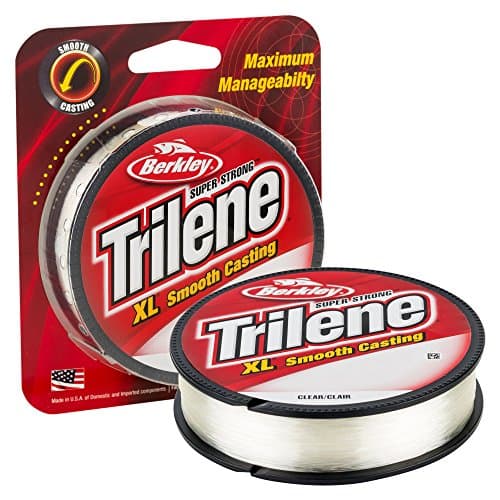
Berkley · Fishing Line
Best for: A forgiving, budget-friendly all-purpose monofilament for spinning and baitcasting reels in freshwater.
Under $50
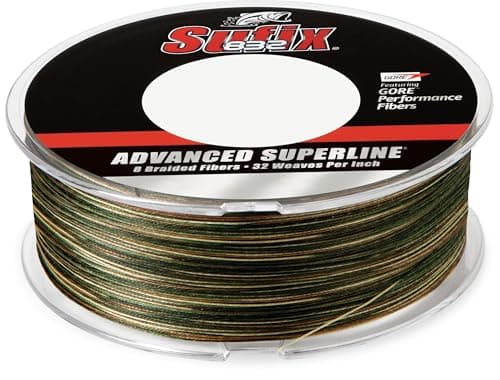
Sufix · Fishing Line
Best for: Anglers who want a premium, durable braid for everything from finesse to heavy cover.
Under $50
Can you feel the rod bend before the lure leaves?
A compact half-ounce moving bait or weighted soft plastic gives the spool a predictable start. Tiny, wind-resistant lures make early practice harder.
Practice short sidearm casts first. Distance comes after the spool stays quiet.
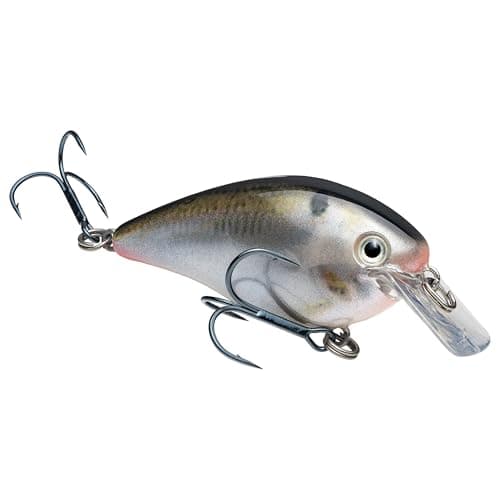
Strike King · Bass Lures
Best for: Covering shallow cover fast and drawing reaction strikes by bouncing the bait off rock, timber, and laydowns.
Under $50
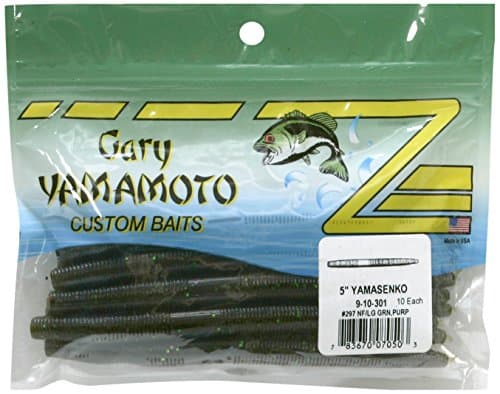
Gary Yamamoto · Bass Lures
Best for: Anglers who want the most versatile finesse soft plastic for numbers of largemouth and smallmouth in clear or pressured water.
Under $50
Setup FAQ
A middle ratio around 6.3:1 to 7.3:1 is the useful default. It is quick enough for jigs and soft plastics without making slow-moving crankbaits awkward.
Monofilament is cheaper to replace and has enough stretch to soften mistakes. Braid casts well and is easier to pick apart, but it can dig into the spool. Either works if the line test matches the lure and cover.
No. Start with baitcasting combos only if it solves the first limitation in your current kit. Keep what already works, confirm exact fit before ordering, and add later stages when the field use justifies them.
Each product is already in the researched catalog with a defined best-fit use, documented strengths and tradeoffs, a verified model identity, and an exact-model photograph. The page uses them as practical starting points, not universal winners.
Need a different day?