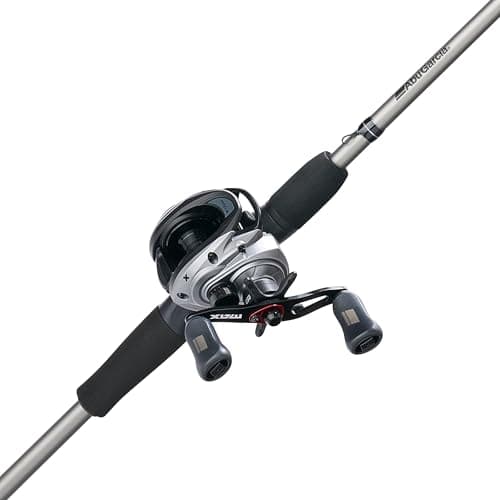
One of our picks
Abu Garcia Max X Baitcast Combo
Best for: The value buyer who wants the safest name-brand entry into baitcasting gear.
Baitcasting combos · casting · control
Compare baitcasting systems by braking control, retrieve, rod power, and the learning curve they ask of the angler.
One of our picks
Best for: The value buyer who wants the safest name-brand entry into baitcasting gear.
Research catalog updated
Braking, power, and line path
A baitcasting combo rewards a deliberate match between the reel, rod, line, and lure. Start with the weight and retrieve you want, then fit braking, spool control, rod power, action, handle, and line to the angler instead of shopping by gear ratio alone.
Baitcaster listings often group several rod lengths, powers, retrieve hands, and piece counts under one family. Confirm the exact option, brake system, line rating, lure rating, and handle position before purchase.
Magnetic or centrifugal braking changes how the spool slows at the start of a cast. Choose a reel with controls you can understand and adjust, then set spool tension for the lure before chasing distance. A forgiving brake system is often worth more than a headline bearing count for a first baitcaster.
Rod power controls the load and backbone while action changes where the blank bends. Medium and medium-heavy fast-action rods cover many bass presentations, while heavier power helps with larger baits and fish. Confirm the lure and line range for the exact rod, not just the combo family.
Retrieve hand, gear ratio, handle reach, spool capacity, and drag should feel natural through a full day of casting. Mono, fluorocarbon, and braid behave differently on a baitcaster, so match the line, leader, knot, lure, and brake setting before judging the reel.
Official manufacturer resource
Review the official Max X options for rod length, piece count, retrieve hand, MagTrax braking, Power Disk drag, line and lure ratings, and the exact reel and rod pairing.
Check Max X configurationsOfficial manufacturer resource
Use the official Caius page to compare VBS braking, Super Free Spool, medium-heavy fast action, line capacity, retrieve, and the included rod and reel specifications.
Check Caius specificationsOfficial manufacturer resource
Review the current Tatula TWS combo for TWS, UTD drag, graphite blank, EVA grips, one-piece construction, and the two available rod lengths before choosing a power rig.
Compare Tatula TWS optionsManufacturer resources checked August 9, 2026.
Three places to start
Line up fit, strengths, limitations, and useful specifications before you open a retailer page.
Swipe sideways to compare every model.
| Compare | 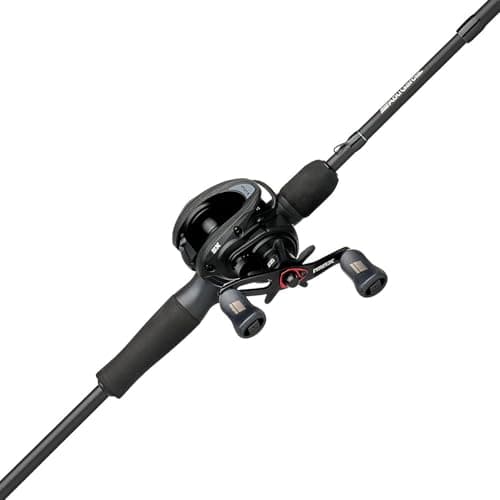 Lower price range Lower price rangeAbu Garcia Max SX Low Profile Baitcast ComboAbu Garcia | 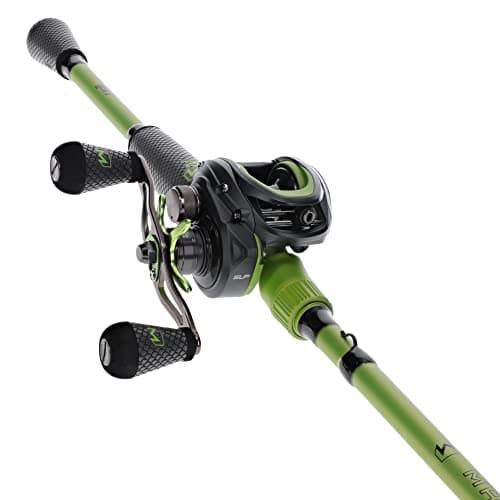 Middle price range Middle price rangeLew's Mach 2 Baitcast ComboLew's | 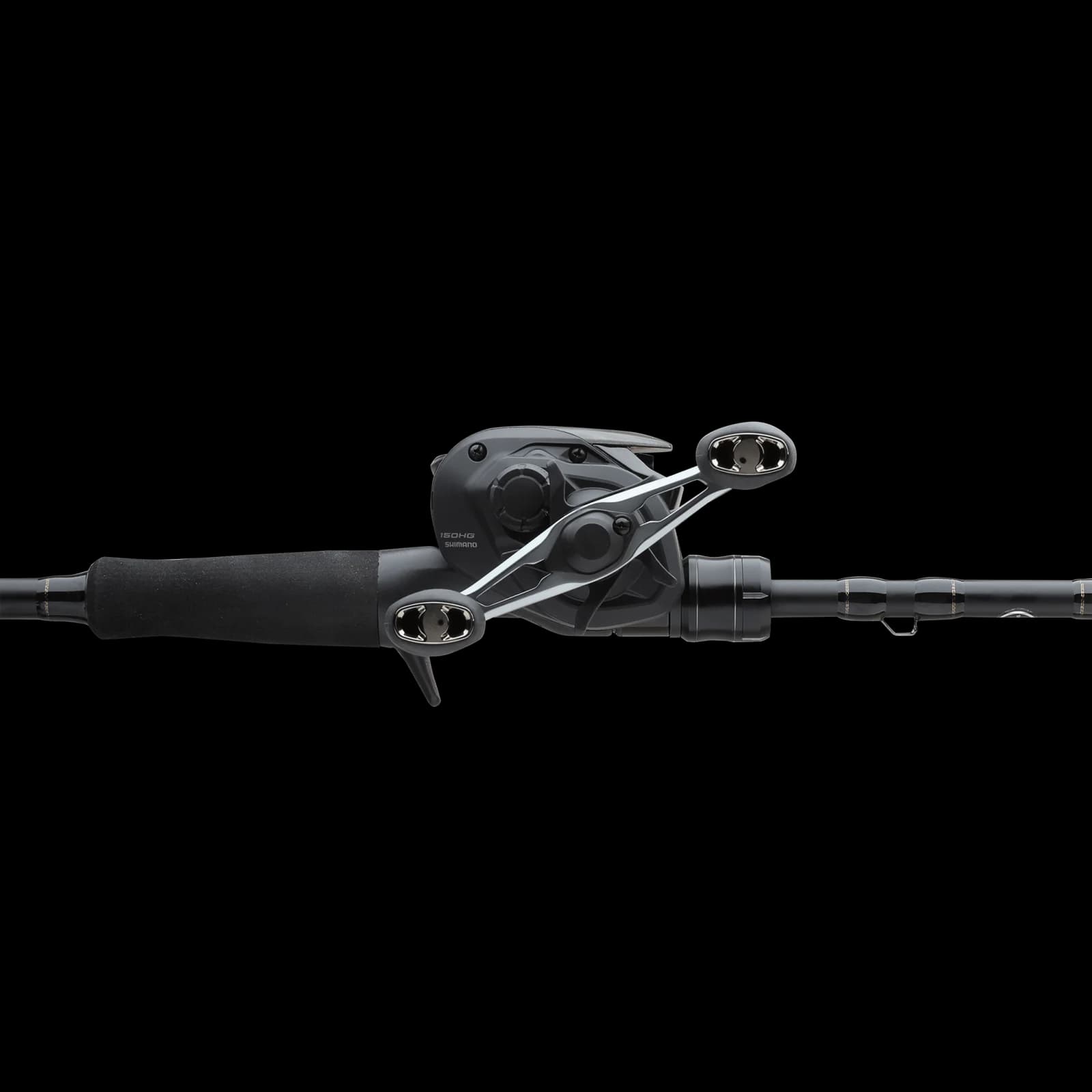 Higher price range Higher price rangeShimano Caius Casting ComboShimano |
|---|---|---|---|
| Price range | $50-150 | $50-150 | $150-300 |
| Best for | An angler upgrading from a first baitcaster who wants better castability without leaving the budget tier. | The bass-leaning multispecies angler who wants the lightest complete casting setup under the SLX price point. | Anglers who want a legitimate factory-matched Shimano baitcaster without stepping up to separate rod and reel purchases. |
| Strong point | Step-up internals over the Max X for modest extra cost | One-piece graphite rod fishes above the combo's price | Current factory-matched Shimano package at an attainable price |
| Watch for | Sits close enough to Caius combo pricing that buyers should compare both before checkout | Skeletal reel components trade long-term robustness for weight savings | Centrifugal brakes require opening the sideplate to adjust, less convenient for beginners |
| Rod | Graphite casting rod with EVA grips | One-piece IM8 graphite blank | 7 foot medium-heavy fast-action Caius casting rod |
| Reel | Not specified | Mach 2 SLP super low profile baitcast reel | Caius C, 7.2:1 ratio, 3+1 bearings |
| Next step | Check at AmazonProduct details | Check at AmazonProduct details | Check at ShimanoProduct details |
We chose one lower, middle, and higher-priced model from products we researched and matched to a current retailer page. This is a useful starting point, not a ranking.
What to compare
Once you know how and where you will use the gear, the specifications become much easier to compare.
Beginners benefit from predictable adjustment while experienced casters may favor greater range and fine control.
Gear ratio changes how quickly line returns and should match moving baits, bottom contact, or mixed duty.
Confirm retrieve side, palm fit, trigger comfort, and total balance before choosing by specifications alone.
Build around the job
Each system connects baitcasting combos to the other roles that matter in the field. Keep what already works and replace only the weak link.
Shop every activityBaitcasting Combos roleStarts with a matched rod and reel whose balance and braking are easier to learn together.
Fishing Line · Bass Lures · Tackle Boxes & Bags
See the complete setupBaitcasting Combos roleOffers a matched starting point when selecting separate rod and reel pieces is not useful.
Baitcasting Rods · Baitcasting Reels · Musky Baits
See the complete setupSportsman Authority picks
Every card tells you who it fits, what it does well, what to watch for, and where to check the current price.
Abu Garcia · Baitcasting Combos
Best for: An angler upgrading from a first baitcaster who wants better castability without leaving the budget tier.
Step-up internals over the Max X for modest extra cost. The main tradeoff is sits close enough to Caius combo pricing that buyers should compare both before checkout.
$50-150
Abu Garcia · Baitcasting Combos
Best for: The value buyer who wants the safest name-brand entry into baitcasting gear.
Current-generation refresh of Abu's bestselling budget baitcaster. The main tradeoff is noticeably more plastic in the frame than the SLX tier above it.
$50-150

Daiwa · Baitcasting Combos
Best for: The serious caster who wants Daiwa's flagship-derived casting tech in a single purchase.
T-Wing System measurably reduces line friction on the cast. The main tradeoff is only two rod configurations, both bass-oriented.
$150-300
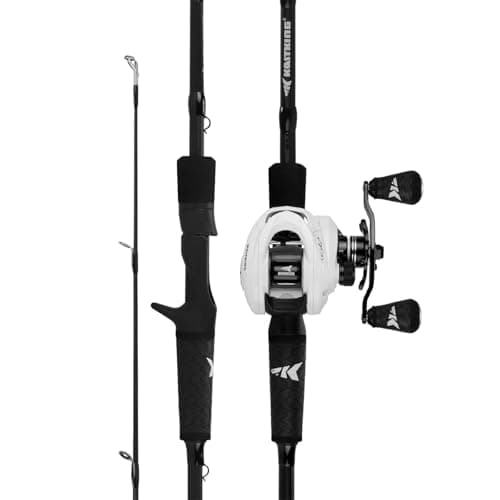
KastKing · Baitcasting Combos
Best for: A first-time baitcaster buyer who wants to learn thumb control before committing real money.
Lowest real-world price for a functional baitcasting combo. The main tradeoff is direct-to-consumer brand with thinner dealer support than Abu or Shimano.
$50-150
Lew's · Baitcasting Combos
Best for: The bass-leaning multispecies angler who wants the lightest complete casting setup under the SLX price point.
One-piece graphite rod fishes above the combo's price. The main tradeoff is skeletal reel components trade long-term robustness for weight savings.
$50-150
Shimano · Baitcasting Combos
Best for: Anglers who want a legitimate factory-matched Shimano baitcaster without stepping up to separate rod and reel purchases.
Current factory-matched Shimano package at an attainable price. The main tradeoff is centrifugal brakes require opening the sideplate to adjust, less convenient for beginners.
$150-300
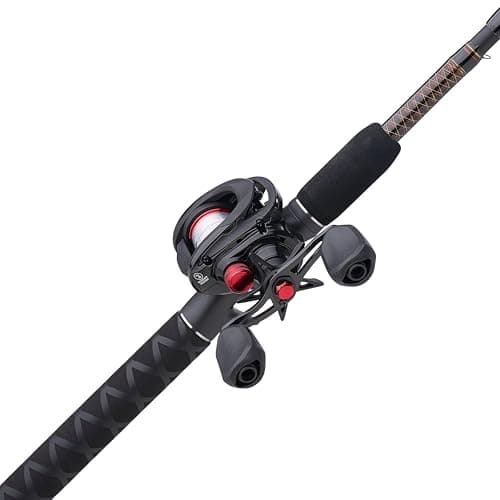
Ugly Stik · Baitcasting Combos
Best for: The durability-first angler adding a casting setup for crankbaits and bottom rigs without babying gear.
Trademark Ugly Stik durability in a casting format. The main tradeoff is soft composite blank blunts the accuracy benefits people buy baitcasters for.
$50-150
Category FAQ
It can be, if the reel has understandable brake and spool controls, the rod matches a useful lure range, and you give yourself time to practice. Start with a moderate-weight lure, set the brake conservatively, and use the maker's instructions. A spinning setup may still be the simpler choice for very light lures or quick family sharing.
Use the reel maker's instructions, begin with more braking, and set spool tension so the lure falls without the spool running ahead of it. Adjust one control at a time and practice with the actual lure, line, and rod you will fish. Wind, lure weight, and casting motion change the setting, so a number from another reel is not a universal answer.
Medium and medium-heavy fast-action rods cover many bass and general casting applications. Power should follow the lure weight and fish pressure, while action changes how quickly the blank loads and where it bends. Heavier presentations may need more backbone, and moving baits can benefit from a deeper-loading action. Follow the exact lure and line range for the rod.
Mono is forgiving while learning, fluorocarbon adds density and abrasion resistance, and braid offers low stretch and capacity but can dig into the spool if tension is poor. Match diameter, leader, knot, lure, drag, and brake setting to the reel and rod. Fill the spool according to the maker's guidance rather than packing it to the lip by habit.