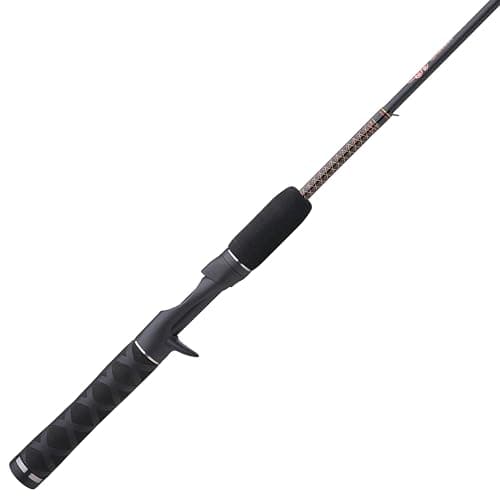
Ugly Stik · Baitcasting Rods
Ugly Stik GX2 Casting Rod 6'6" Medium-Heavy
Best for: The beginner or rough-use angler who wants a tough, cheap casting rod that will take abuse and keep fishing.
Under $50
Fishing field setup
A component-by-component baitcasting setup built around lure weight, cover, braking, retrieve speed, and the line that connects them.
4 field decisions · 8 researched starting points · updated July 28, 2026
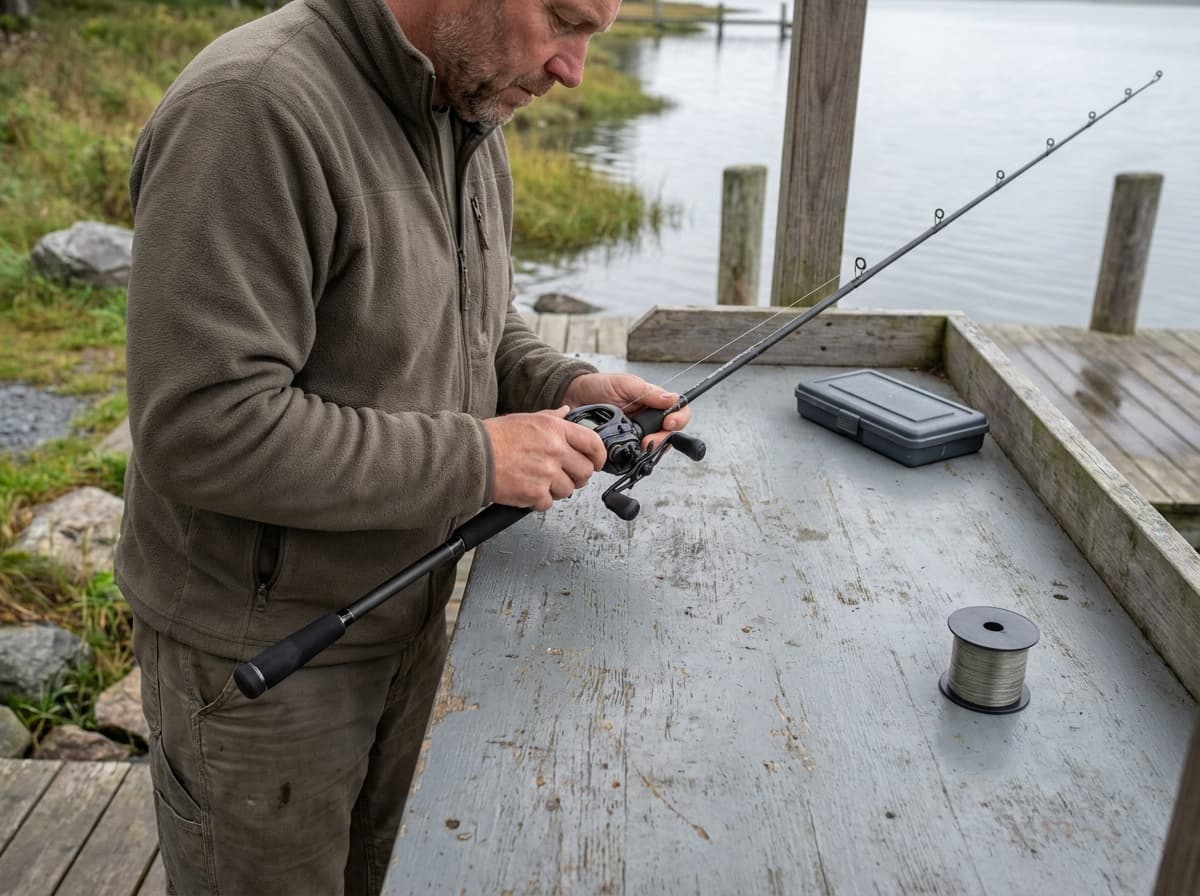
Before you spend
Built for: Anglers who already cast a baitcaster and want a more deliberate rig than a general-purpose combo.
Check these first
Does the rig need open-water forgiveness or leverage around cover?
Medium power handles lighter moving baits. Medium-heavy is the practical center for jigs, worms, and many single-hook baits. Fast action helps contact presentations, while a deeper bend can keep trebles pinned.
Do not use medium-heavy as a default when the lure spends most of its time below the rod's useful range.
Ugly Stik · Baitcasting Rods
Best for: The beginner or rough-use angler who wants a tough, cheap casting rod that will take abuse and keep fishing.
Under $50
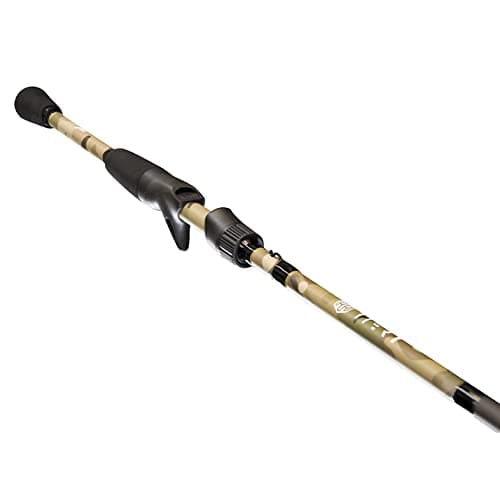
Lew's · Baitcasting Rods
Best for: The angler who wants a light, well-built all-around baitcasting rod that steps up from entry blanks.
$50-150
Should the reel pick up slack quickly or help slow the bait down?
A middle ratio covers most work. Faster reels help jigs and line recovery, while slower ratios make it easier to keep resistance baits from accelerating.
Compare inches of line retrieved per turn when spool sizes differ.
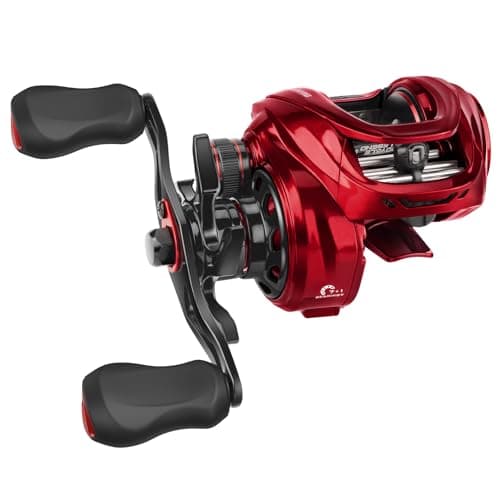
KastKing · Baitcasting Reels
Best for: The new baitcaster buyer or budget angler who wants real features under fifty dollars.
Under $50
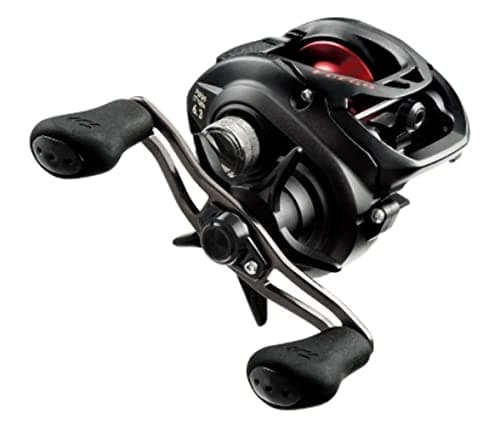
Daiwa · Baitcasting Reels
Best for: The value-minded angler who wants Daiwa smoothness and casting distance without stepping up to Tatula pricing.
$50-150
Does the bait need stretch, direct contact, or an abrasion-resistant leader?
Monofilament can soften treble-hook surges. Braid improves feel and hooksets in vegetation. Fluorocarbon may help around abrasion, but stiffness and knot quality still matter.
Choose the line before setting spool tension and brakes because diameter changes spool behavior.
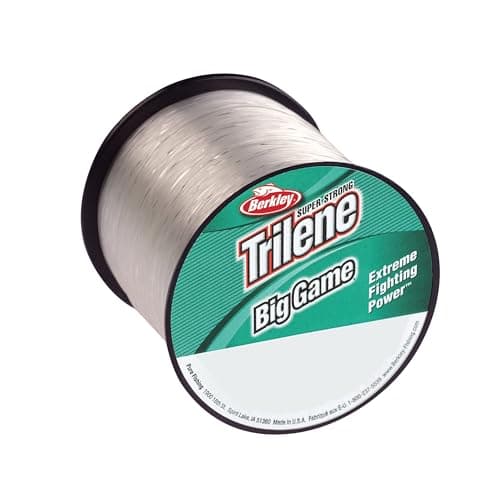
Berkley · Fishing Line
Best for: Heavy-duty and saltwater applications where shock strength and abrasion resistance matter more than finesse.
Under $50
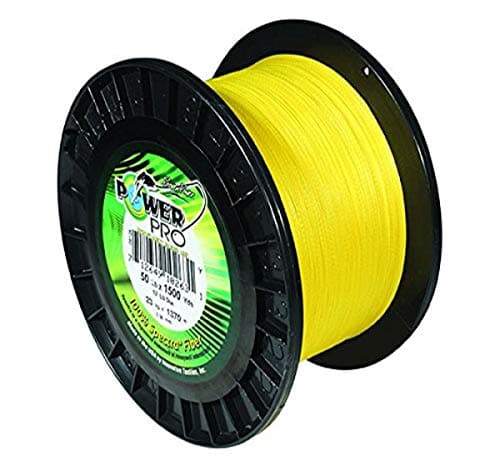
PowerPro · Fishing Line
Best for: A proven, versatile everyday braid available in a very wide range of spool sizes and tests.
Under $50
Does the lure load the rod and start the spool cleanly?
A compact moving bait or weighted soft plastic reveals whether the rod, reel, and line are in the same range. Practice with the lure class the rig is meant to fish.
Total rigged weight matters more than the soft-plastic package weight.
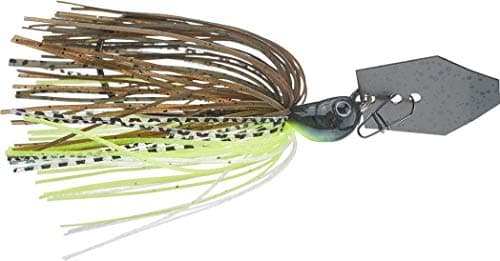
Z-Man · Bass Lures
Best for: Anglers who want a proven premium bladed jig to power through grass and stained water for aggressive bass.
Under $50
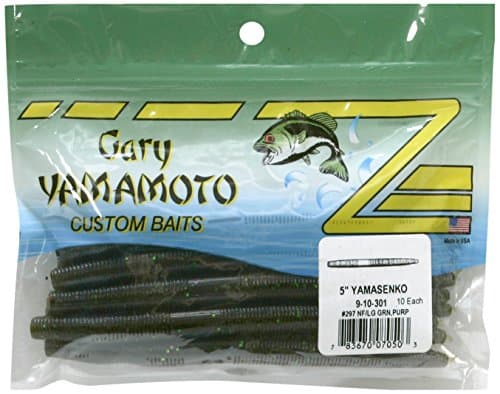
Gary Yamamoto · Bass Lures
Best for: Anglers who want the most versatile finesse soft plastic for numbers of largemouth and smallmouth in clear or pressured water.
Under $50
Setup FAQ
A ratio near 7:1 is the useful center for many bass techniques. Look at line pickup per handle turn too, because two reels with the same ratio can retrieve different amounts of line.
It matters when lure weight, hook style, cover, or retrieve puts competing demands on one rod. Start with a versatile rig, then add a specialty rod only when you can describe the limitation it solves.
No. Start with baitcasting rods only if it solves the first limitation in your current kit. Keep what already works, confirm exact fit before ordering, and add later stages when the field use justifies them.
Each product is already in the researched catalog with a defined best-fit use, documented strengths and tradeoffs, a verified model identity, and an exact-model photograph. The page uses them as practical starting points, not universal winners.
Need a different day?