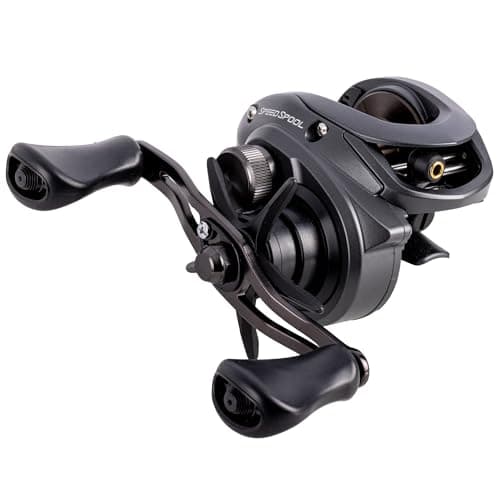
One of our picks
Lew's Speed Spool LFS
Best for: The all-around bass angler who wants one refined reel for jigs, worms, and moving baits without overspending.
Baitcasting reels · brake · retrieve
Browse baitcasting reels by braking system, retrieve speed, spool capacity, hand, and lure range.
One of our picks
Best for: The all-around bass angler who wants one refined reel for jigs, worms, and moving baits without overspending.
Research catalog updated
Brake, retrieve, and spool path
A baitcasting reel is a control system for a rod, line, and lure, not just a gear ratio on a box. Start with the lure weight and technique, then match braking, spool behavior, retrieve hand, gear ratio, drag, line capacity, and the way the reel fits your palm.
Magnetic, centrifugal, and digital braking systems ask for different setup habits. Confirm the exact right- or left-hand model, gear ratio, spool capacity, drag, line guide, and lure range before treating two reels with similar prices as interchangeable.
Write down the lures and techniques that will spend the most time on the rod. Light plastics, moving baits, bottom contact, and heavy cover create different spool and drag demands, so choose a reel around the casting job instead of the species label alone.
External magnetic control, internal centrifugal pins, and digital control each change how the reel manages spool speed and backlash. Check the adjustment range, start with the maker's setup instructions, and choose a system you will actually tune as lure weight and wind change.
Add the rod power and action, line, leader, backing, lure range, spare spool or bearings, and the hand that feels natural on the retrieve. The reel is only a good value when it balances the rod and keeps the line, drag, and controls usable all day.
Official manufacturer resource
Use Lew's official brake guide to understand the mix of external magnetic adjustment and internal centrifugal pins, then apply the setup to the exact Speed Spool model.
Learn Lew's brake setupOfficial manufacturer resource
Check Daiwa's official Fuego CT page for the aluminum CT frame, Magforce braking, available gear ratios, retrieve hands, and current specifications.
Check Daiwa Fuego CTOfficial manufacturer resource
Review Shimano's official SLX DC 150 page for the digital-control brake, available ratios and hands, line capacity, drag, weight, and the exact model suffix.
Check Shimano SLX DCManufacturer resources checked August 9, 2026.
Three places to start
Line up fit, strengths, limitations, and useful specifications before you open a retailer page.
Swipe sideways to compare every model.
| Compare | 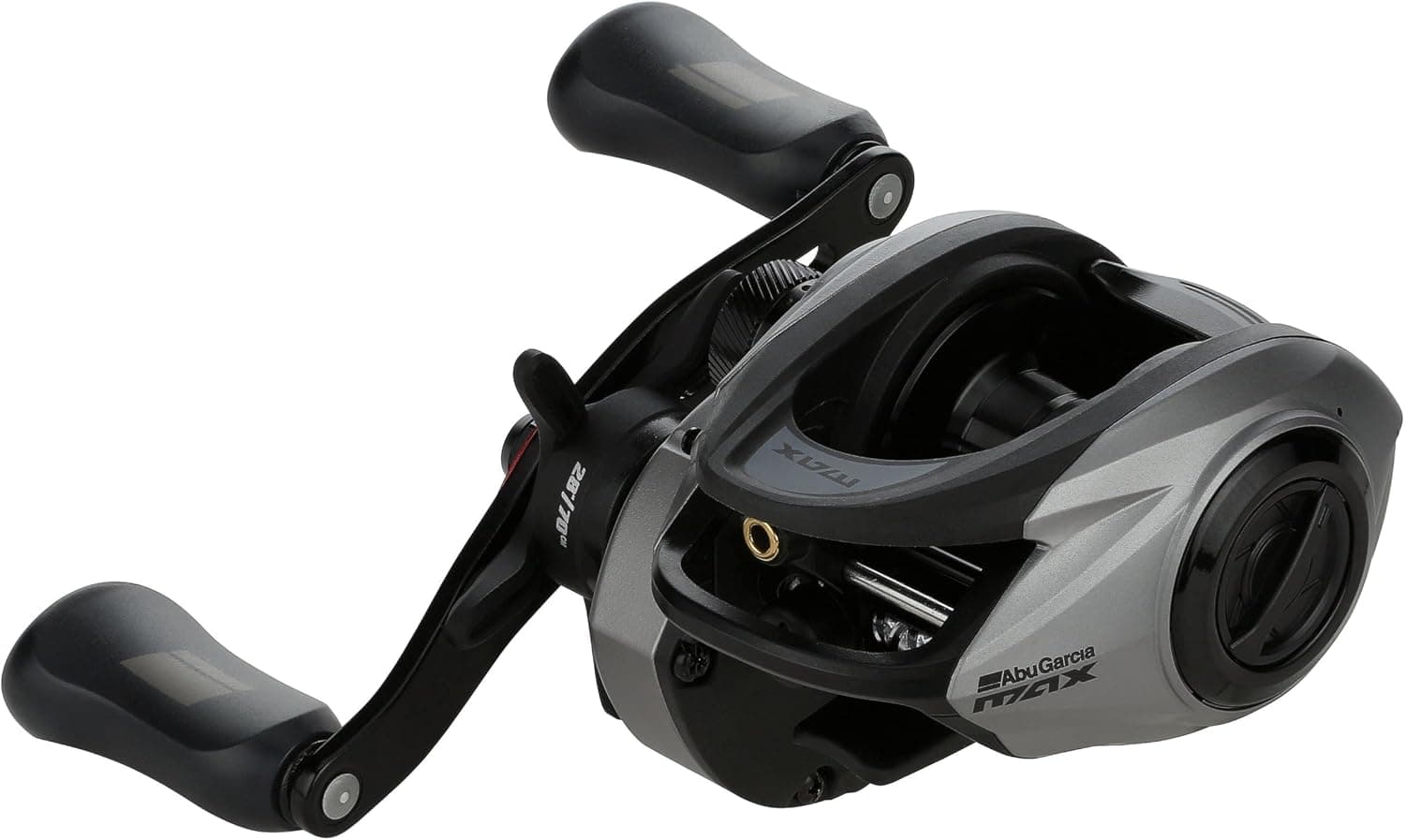 Lower price range Lower price rangeAbu Garcia Black Max Low Profile ReelAbu Garcia | Middle price rangeLew's Speed Spool LFSLew's | 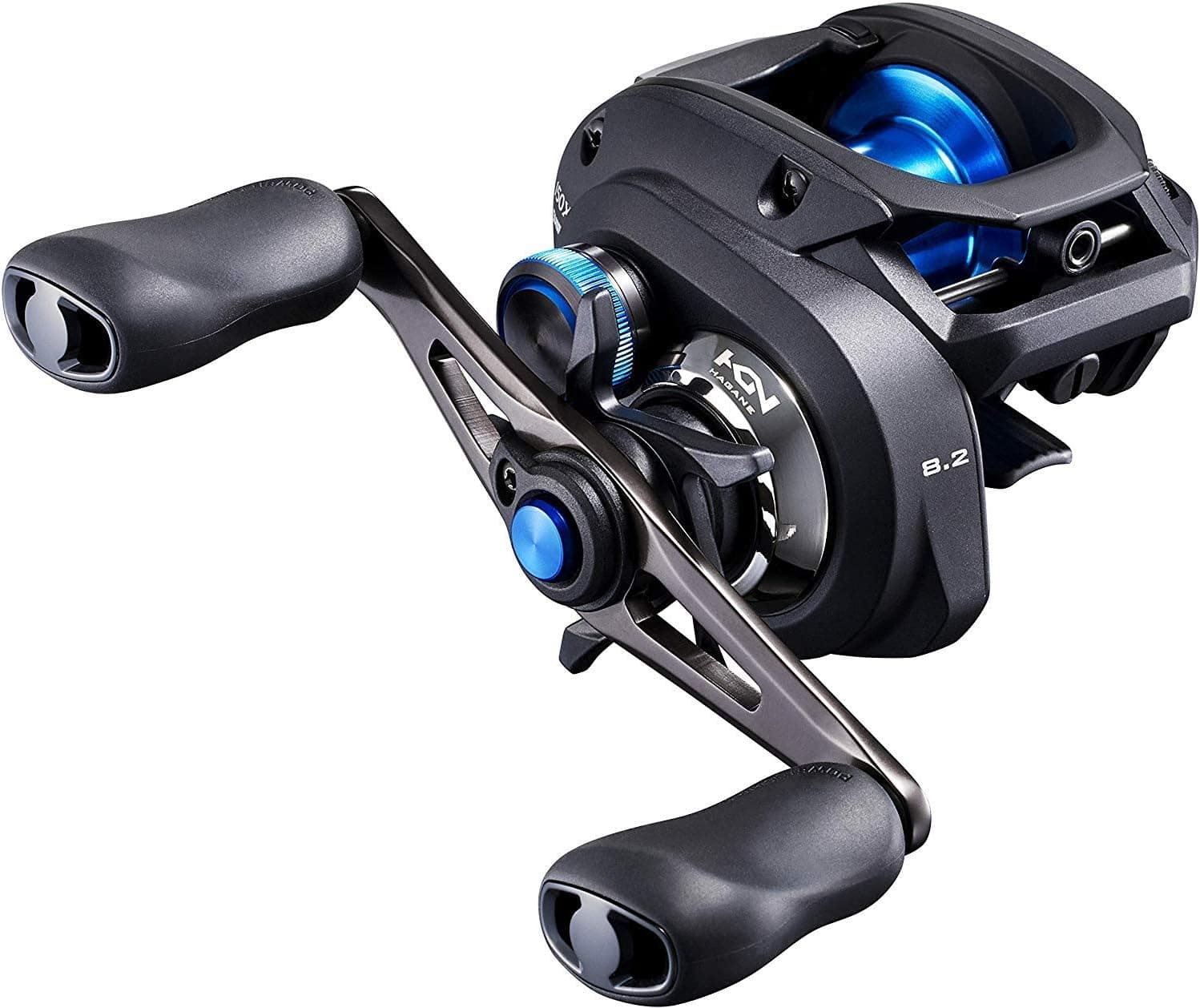 Higher price range Higher price rangeShimano SLX DC 150Shimano |
|---|---|---|---|
| Price range | Under $50 | $50-150 | $150-300 |
| Best for | The beginner learning baitcasting who wants a forgiving, inexpensive reel that is easy to service. | The all-around bass angler who wants one refined reel for jigs, worms, and moving baits without overspending. | The angler stepping up who wants near backlash-free casting and is willing to pay for Shimano refinement. |
| Strong point | A proven starter reel that has taught countless anglers to cast a baitcaster | The default do-everything bass reel that balances price, weight, and refinement | The digital brain makes backlash almost a non-issue, flattening the learning curve |
| Watch for | Graphite frame and basic bearings give up smoothness to aluminum-framed reels | The lightweight frame flexes more under heavy big-bait loads than a beefier reel | The digital brake gives a faint whirring sound some anglers dislike |
| Gear ratio | 6.4:1, 26 in retrieve per turn | 7.5:1 (also offered in 6.8:1 and 8.3:1) | Offered in 6.3:1, 7.2:1, and 8.2:1 |
| Braking | MagTrax magnetic brake for consistent control | Externally adjustable centrifugal ACB braking | I-DC4 digital control, chip monitors spool speed 1000 times per second |
| Drag | 18 lb Power Disk drag | 20 lb carbon fiber drag system | Not specified |
| Next step | Check at AmazonProduct details | Check at AmazonProduct details | Check at AmazonProduct details |
We chose one lower, middle, and higher-priced model from products we researched and matched to a current retailer page. This is a useful starting point, not a ranking.
What to compare
Once you know how and where you will use the gear, the specifications become much easier to compare.
Choose a system you can adjust quickly for wind, lure weight, and your experience level.
Slower reels add control and power, while faster reels pick up slack and move baits quickly.
Frame size, handle length, grip shape, and retrieve side should feel right before small feature differences matter.
Build around the job
Each system connects baitcasting reels to the other roles that matter in the field. Keep what already works and replace only the weak link.
Shop every activityBaitcasting Reels roleControls braking, retrieve speed, spool capacity, and hand fit.
Baitcasting Rods · Fishing Line · Bass Lures
See the complete setupBaitcasting Reels roleAdds spool capacity, retrieve power, and braking for repeated large-bait casting.
Baitcasting Rods · Musky Baits · Baitcasting Combos
See the complete setupSportsman Authority picks
Every card tells you who it fits, what it does well, what to watch for, and where to check the current price.
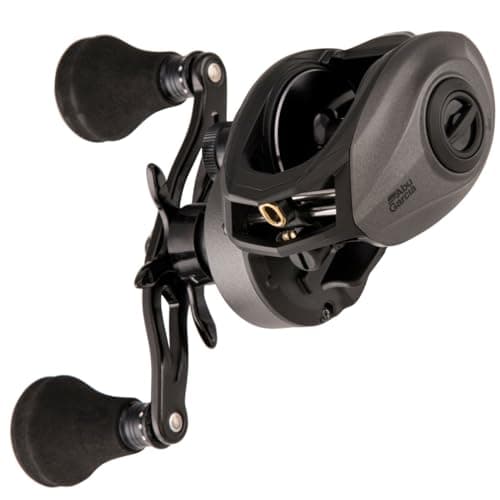
Abu Garcia · Baitcasting Reels
Best for: The beginner learning baitcasting who wants a forgiving, inexpensive reel that is easy to service.
A proven starter reel that has taught countless anglers to cast a baitcaster. The main tradeoff is graphite frame and basic bearings give up smoothness to aluminum-framed reels.
Under $50
Abu Garcia · Baitcasting Reels
Best for: The big-bait and heavy-cover angler throwing swimbaits, frogs, and large crankbaits on braid.
30 lb of drag and a large spool handle swimbaits and heavy line other reels choke on. The main tradeoff is overkill spool capacity and drag are wasted on light finesse presentations.
$150-300
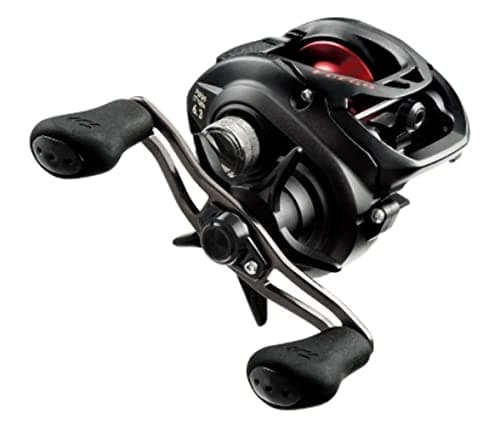
Daiwa · Baitcasting Reels
Best for: The value-minded angler who wants Daiwa smoothness and casting distance without stepping up to Tatula pricing.
Aluminum frame and Magforce braking punch above the price for smoothness and distance. The main tradeoff is 13.2 lb drag is modest next to power-focused reels.
$50-150
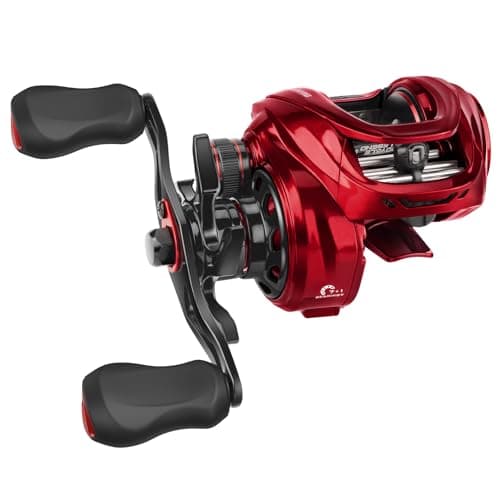
KastKing · Baitcasting Reels
Best for: The new baitcaster buyer or budget angler who wants real features under fifty dollars.
Halo XII 12-magnet braking lays down smooth, backlash-resistant casts. The main tradeoff is long-term durability trails premium reels from Shimano and Daiwa.
Under $50
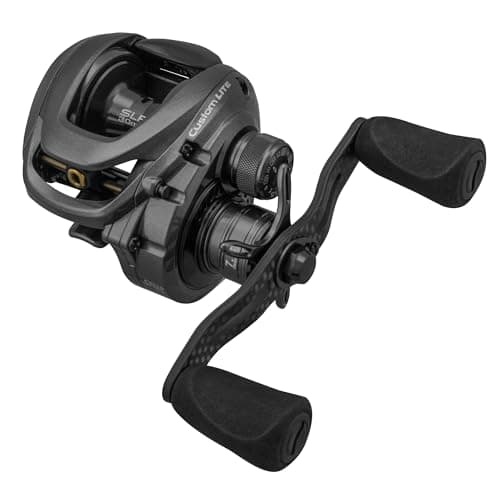
Lew's · Baitcasting Reels
Best for: The finesse angler, and anyone with smaller hands, who wants the lightest possible reel for light lures and long days.
At 4.9 oz it disappears in the hand for all-day finesse and light-lure casting. The main tradeoff is the shallow spool holds less line, a limit for deep water or long runs.
$150-300
Lew's · Baitcasting Reels
Best for: The all-around bass angler who wants one refined reel for jigs, worms, and moving baits without overspending.
The default do-everything bass reel that balances price, weight, and refinement. The main tradeoff is the lightweight frame flexes more under heavy big-bait loads than a beefier reel.
$50-150
Shimano · Baitcasting Reels
Best for: The angler stepping up who wants near backlash-free casting and is willing to pay for Shimano refinement.
The digital brain makes backlash almost a non-issue, flattening the learning curve. The main tradeoff is the digital brake gives a faint whirring sound some anglers dislike.
$150-300
Category FAQ
Choose the system whose adjustments you understand and will use. External magnetic control is easy to reach, centrifugal pins add strong startup control, and digital systems can automate part of the spool management. Start with the maker's settings, then tune for lure weight, wind, line, and casting motion instead of treating one brake type as universal.
Match the ratio to how fast you need to pick up line. Lower ratios can feel controlled for slow, powerful presentations, middle ratios cover mixed duty, and high ratios help with moving baits, pitching, or quickly taking up slack. Compare retrieve per handle turn and the actual lure technique, not the ratio number alone.
Choose the retrieve hand that lets you control the rod, set the hook, and turn the handle without an awkward switch. The right choice depends on the angler's habit and technique, not a universal rule. Confirm the exact suffix because the same reel family can have different ratios and stock by hand.
Use the maker's capacity for the exact spool and line diameter, then fill it without burying the levelwind or leaving a deep gap below the rim. Braid, fluorocarbon, and mono can occupy the spool differently, so account for backing, leader, knot, and the lure weight before treating a capacity number as a casting promise.