ORORO · Heated Jackets & Vests
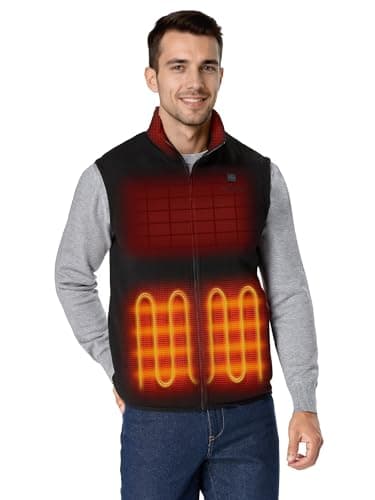
ORORO Heated Fleece Vest
Best for: A heated mid-layer that turns any float suit into a heated suit.
$50-150
Heated Gear field setup
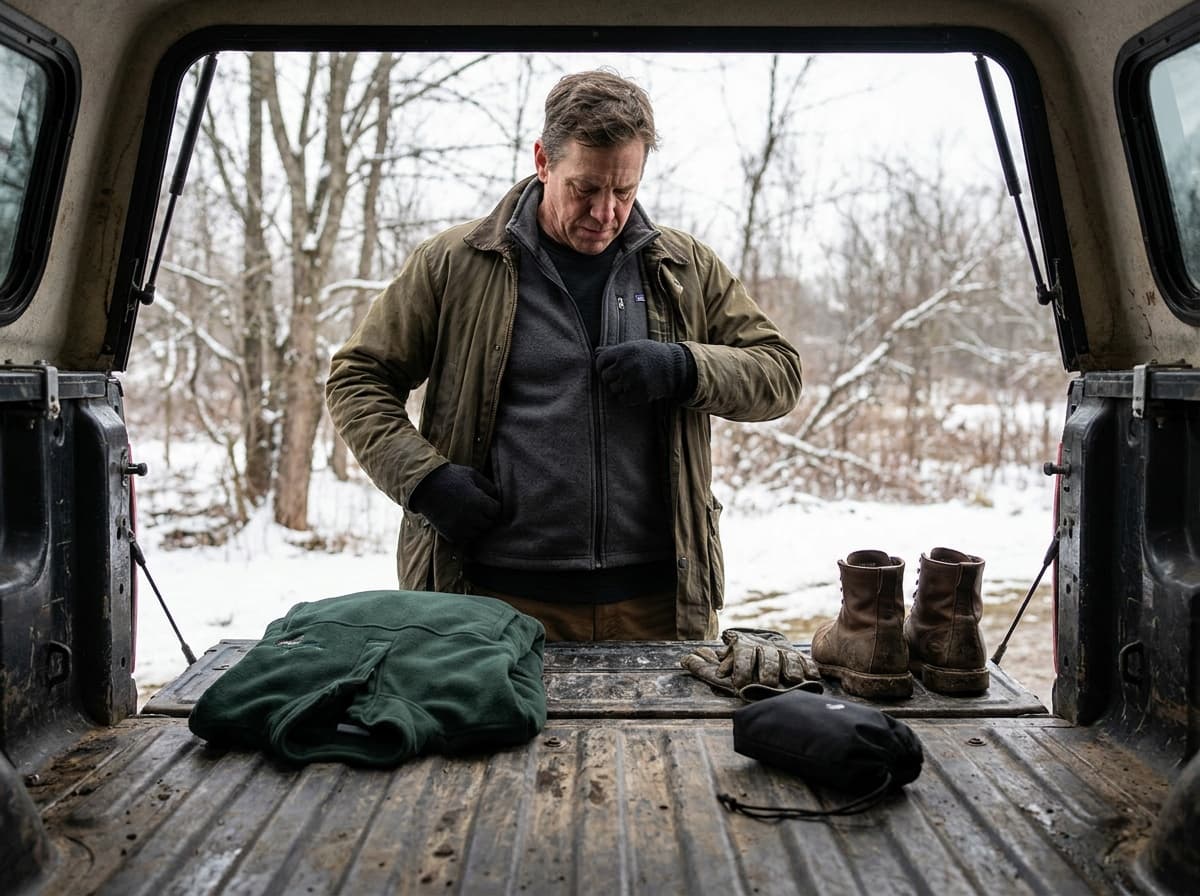
A low-movement cold-weather system that treats heated gear, insulation, weather protection, and fit as one decision.
4 field decisions · 8 researched starting points · updated July 28, 2026
Before you spend
Built for: Hunters and anglers who stay mostly still and lose warmth long before the day is over.
Check these first
Can the heated layer sit under the weather shell without compressing insulation?
A vest is efficient under an existing shell. A heated jacket makes sense when it also serves as the outer layer in milder weather.
Choose men's or women's sizing from the actual layering stack, not a usual T-shirt size.
ORORO · Heated Jackets & Vests
Best for: A heated mid-layer that turns any float suit into a heated suit.
$50-150
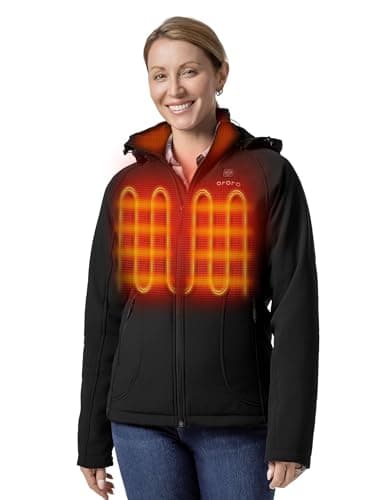
ORORO · Heated Jackets & Vests
Best for: The go-to women's heated jacket under bibs or a float suit shell on the ice.
$150-300
Do fingers need dexterity, or do hands stay inside heavy mitts?
Heated liners preserve control of small gear. Heated socks work best when the boot still has room and does not compress the heating elements.
Low, steady heat usually lasts longer and feels better than cycling the highest setting.
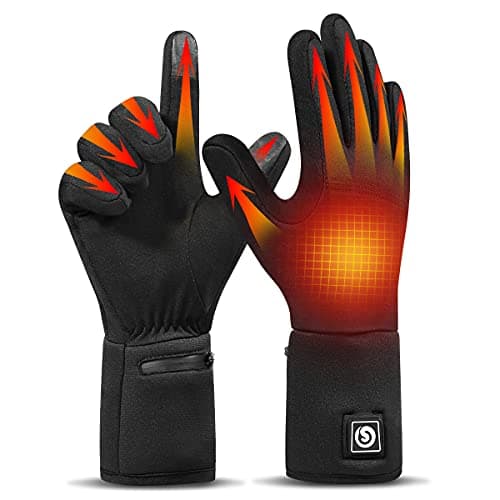
Savior · Heated Gloves & Socks
Best for: Anglers who want active heat without giving up the finger movement needed for controls, knots, and small tackle.
$50-150
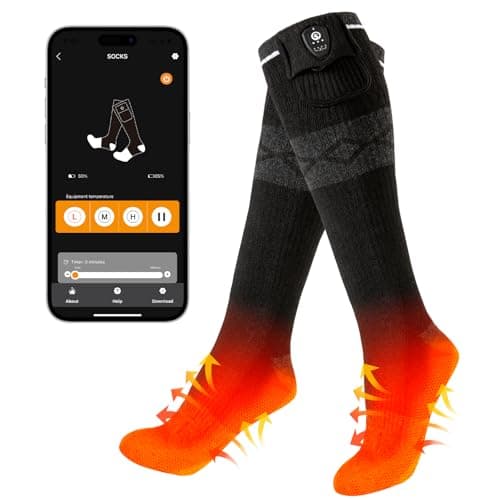
Snow Deer · Heated Gloves & Socks
Best for: All-day sits where digging under bibs to press a sock button gets old by 10 a.m.
$50-150
Is the outer layer quiet, weather resistant, and roomy enough for insulation?
For a stationary sit, wind protection and quiet fabric matter more than athletic stretch. Open vents or layers during the walk in.
Arrive slightly cool and add the final insulation after movement stops.
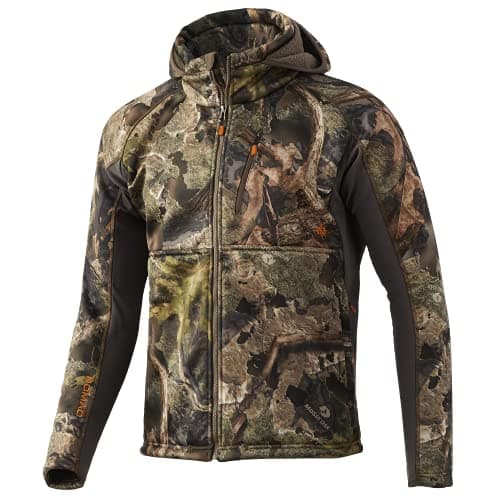
Nomad · Camo Clothing
Best for: The whitetail stand hunter wanting a warm, quiet insulating layer for cold sits at a mid price point.
$150-300
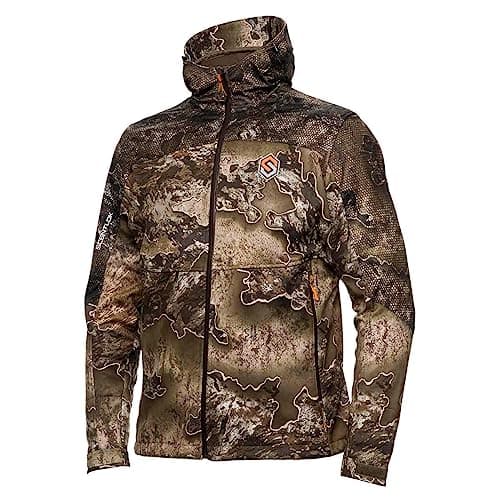
ScentLok · Camo Clothing
Best for: The scent-management-focused whitetail hunter who wants a warm, weather-ready carbon jacket for cold sits.
$50-150
Will you walk miles or sit for hours after a short approach?
Heavy insulation helps a cold stand but becomes hot and clumsy on a long walk. Fit must leave room for toes and the sock system.
More insulation does not help when tight sizing restricts circulation.
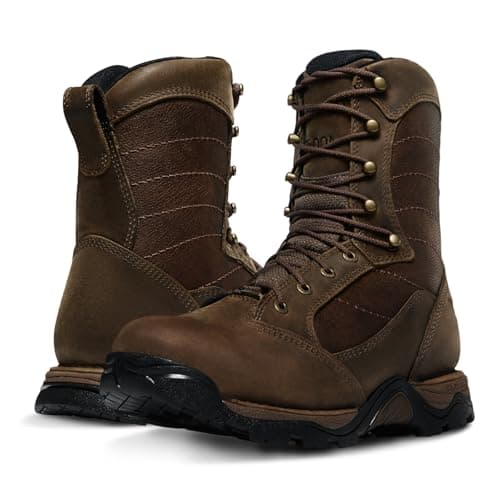
Danner · Hunting Boots
Best for: The whitetail or upland hunter who covers ground on foot and wants one do-everything insulated leather boot for fall through light winter.
$150-300
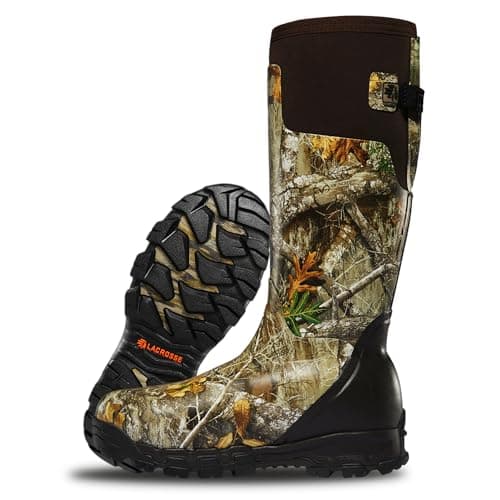
LaCrosse · Hunting Boots
Best for: The late-season stand or waterfowl hunter in cold, wet, muddy conditions who needs waterproof warmth over long, low-movement sits.
$150-300
Setup FAQ
A vest is usually the more flexible layering tool because it warms the core under any windproof shell and leaves the arms free. A jacket is useful when you want the heated piece to serve as the outer layer too.
Heavy insulation can still fail if the boot is too tight, socks hold moisture, or the walk in causes sweat. Leave toe room, use a moisture-managing sock system, and avoid overheating during movement.
No. Start with heated jackets & vests only if it solves the first limitation in your current kit. Keep what already works, confirm exact fit before ordering, and add later stages when the field use justifies them.
Each product is already in the researched catalog with a defined best-fit use, documented strengths and tradeoffs, a verified model identity, and an exact-model photograph. The page uses them as practical starting points, not universal winners.
Need a different day?