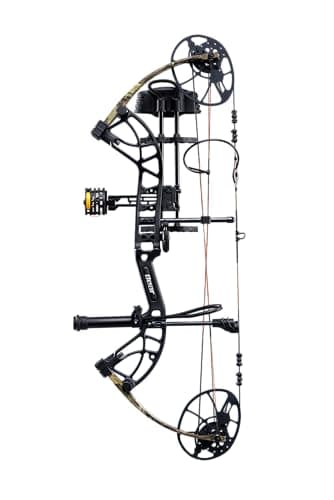
Bear Archery · Archery Gear
Bear Cruzer G4 RTH Compound Bow Package
Best for: The one-bow answer for a household where multiple people of different sizes will hunt with it.
$300-600
Hunting Accessories field setup
An archery system organized around shooter fit, measured distance, protected transport, and a pack that keeps small critical pieces in the same place.
4 field decisions · 8 researched starting points · updated July 26, 2026
Before you spend
Built for: Bowhunters and crossbow hunters turning a fitted shooting system into a repeatable field and transport routine.
Check these first
Does the complete system fit the shooter and use the correct arrows, bolts, and accessories?
Adjustability is useful only when the final setup is fitted and checked. Crossbow and compound systems have different compatibility, maintenance, and handling requirements.
Use manufacturer instructions and qualified setup help before comparing optional accessories.
Bear Archery · Archery Gear
Best for: The one-bow answer for a household where multiple people of different sizes will hunt with it.
$300-600
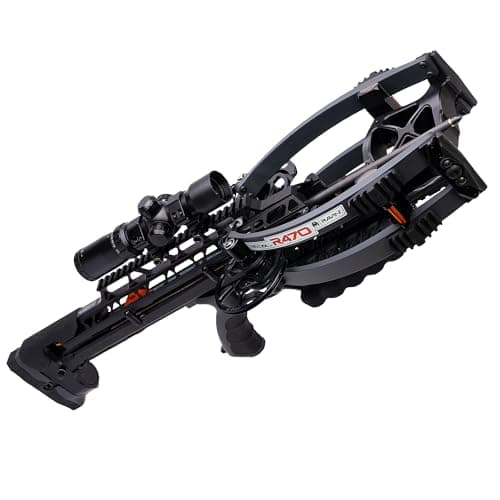
Ravin · Archery Gear
Best for: Hunters who want the fastest, most compact crossbow technology and will pay flagship money for it.
Over $1000
Do angle, brush, and small openings change the distance reading?
A compact rangefinder should be readable and operable from the actual stand or ground position. Angle compensation can help when the field geometry demands it.
Range reference points before movement matters and keep the unit on the same reachable tether every trip.
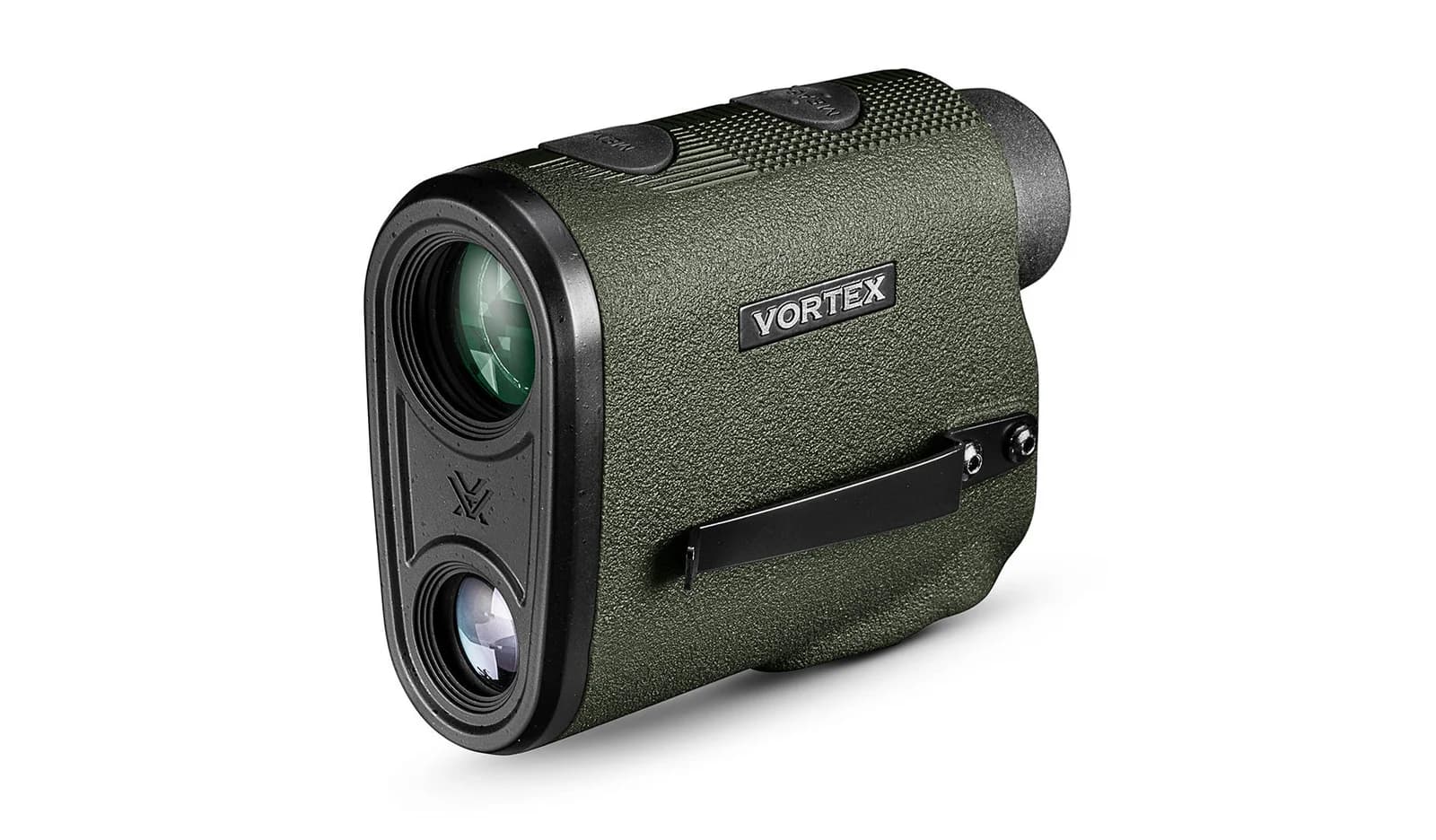
Vortex · Rangefinders
Best for: Hunters who want maximum ranging distance per dollar in a simple package.
$150-300
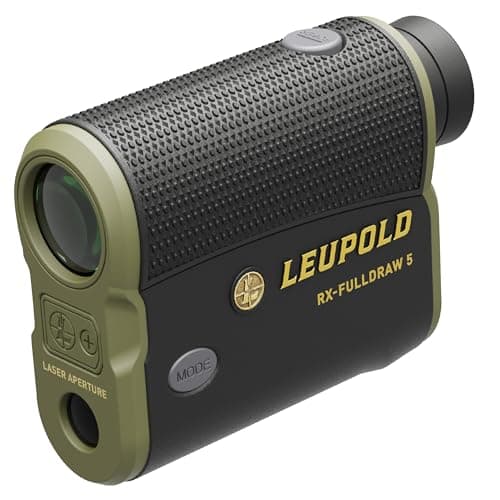
Leupold · Rangefinders
Best for: Dedicated bowhunters who want the most archery-specific ranging tech available.
$300-600
Will the case hold the exact shape without pressing on sights, strings, limbs, or rails?
A fitted soft bow case handles controlled vehicle transport. A hard case adds impact protection when equipment is stacked, shipped, or handled by others.
Measure the fully accessorized equipment, not the bare catalog dimensions.
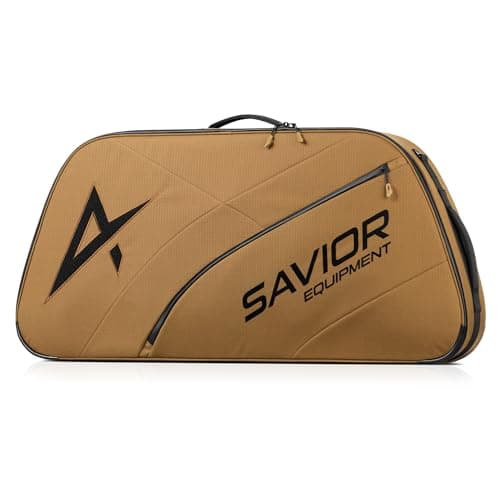
Savior Equipment · Hunting Equipment Cases
Best for: The bowhunter who wants padded, organized carry for a compound rig and its accessories.
$50-150
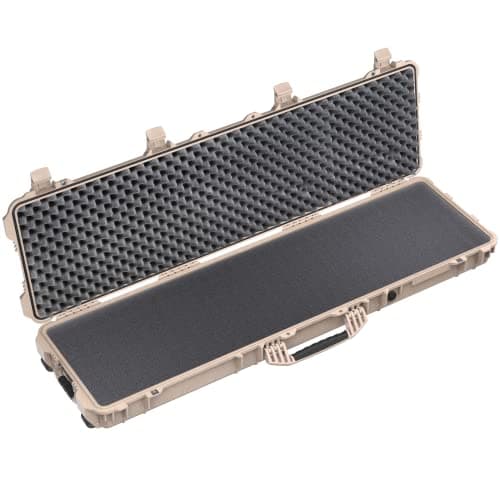
Pelican · Hunting Equipment Cases
Best for: The traveler who needs airline-grade, watertight protection for a scoped long gun and gear.
$150-300
Can the release, rangefinder, layers, and field tools be reached in the same order every time?
The pack should keep frequently used items outside the main load and secure the rest against noise. More pockets help only when the location stays consistent.
Pack and unpack in the same sequence until missing equipment becomes obvious before leaving.
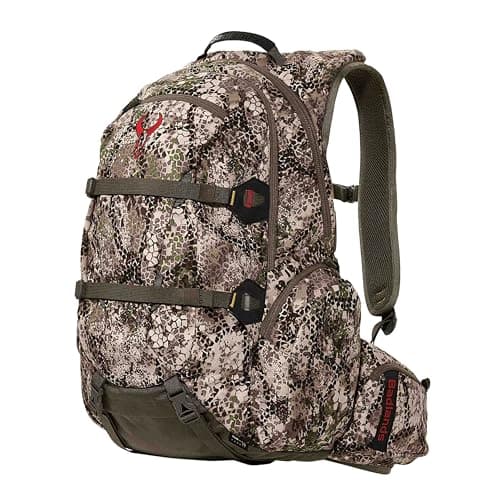
Badlands · Hunting Packs
Best for: The day hunter or treestand and ground-blind sitter who wants organized daypack storage without frame weight.
$50-150
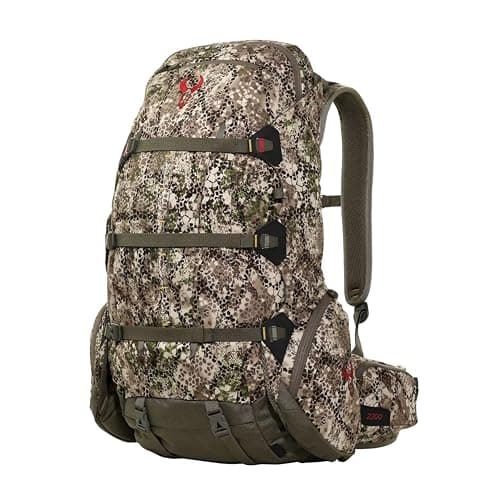
Badlands · Hunting Packs
Best for: The day-to-overnight hunter who wants one pack that carries gear in and quarters game out.
$150-300
Setup FAQ
Carry the fitted primary system, required release or cocking device, rangefinder where useful, a few compatible field tools, weather layers, and recovery essentials. Avoid duplicate gadgets without a specific job.
Not for every trip. A fitted soft case can handle careful personal transport. A hard case is useful when impact, stacking, shipping, or third-party handling creates more risk.
No. Start with archery gear only if it solves the first limitation in your current kit. Keep what already works, confirm exact fit before ordering, and add later stages when the field use justifies them.
Each product is already in the researched catalog with a defined best-fit use, documented strengths and tradeoffs, a verified model identity, and an exact-model photograph. The page uses them as practical starting points, not universal winners.
Need a different day?