Dogtra · Dog Tracking & Training
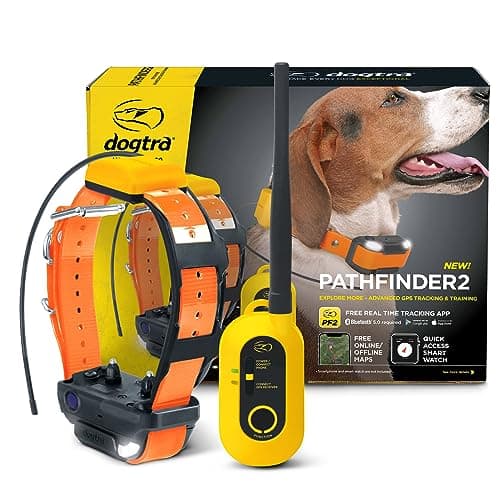
Dogtra Pathfinder 2 GPS Tracking and Training Collar
Best for: The budget-minded handler comfortable running tracking and training from a smartphone app.
$300-600
Hunting Dogs field setup
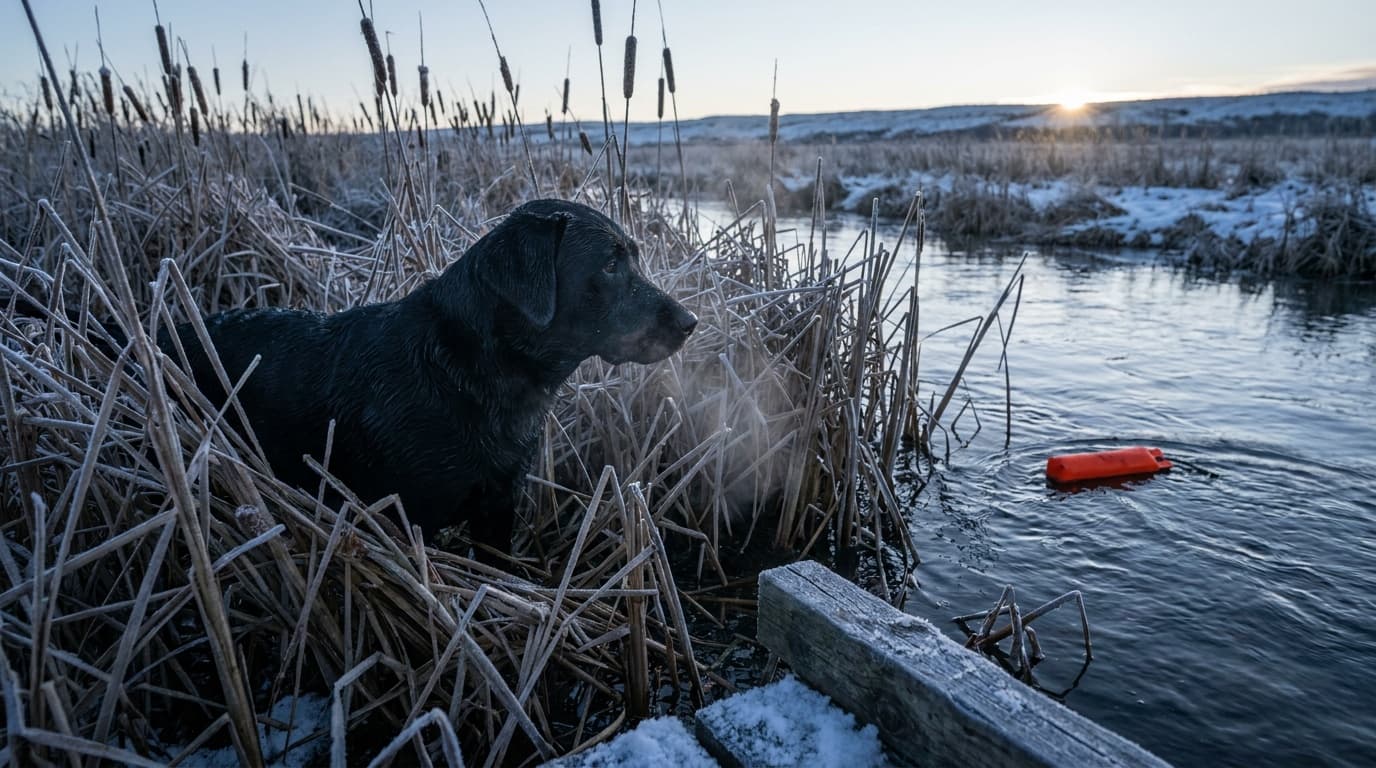
A field kit organized around location, visibility, fit, water, transport, and first-response supplies for the exact dog and terrain.
4 field decisions · 8 researched starting points · updated July 26, 2026
Before you spend
Built for: Handlers preparing bird dogs, retrievers, and other working dogs for longer days away from the vehicle.
Check these first
Does the handler need simple training control, remote location, or both?
Training collars and GPS systems solve different jobs. Range claims change with cover, terrain, antenna position, and the handler unit.
Test the complete system close to home and keep a non-electronic identification backup.
Dogtra · Dog Tracking & Training
Best for: The budget-minded handler comfortable running tracking and training from a smartphone app.
$300-600
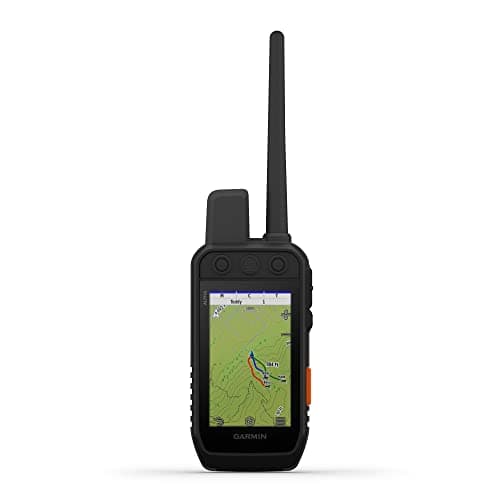
Garmin · Dog Tracking & Training
Best for: The serious houndsman who wants Garmin's newest tracking platform with the widest feature set.
$600-1000
Does the dog need flotation, abrasion protection, visibility, or a working harness?
The right vest depends on water, brush, temperature, and the work. Check shoulder movement, chest clearance, heat buildup, and snag points.
Recheck fit after the dog is wet and after body condition changes.
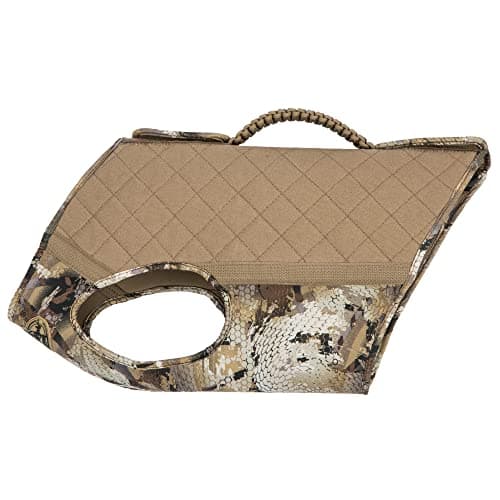
Rig'Em Right · Dog Vests & Visibility
Best for: The waterfowl hunter who wants neoprene warmth with a visibility option.
$50-150
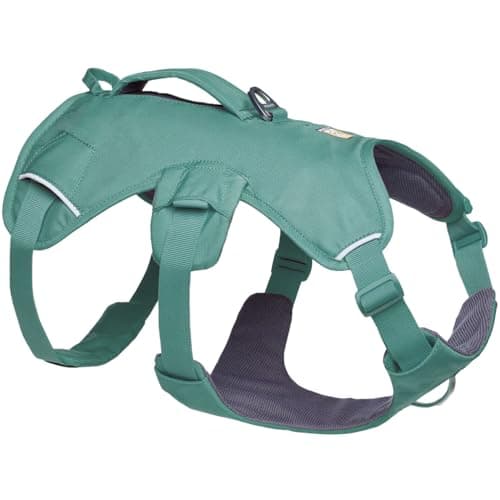
Ruffwear · Dog Vests & Visibility
Best for: The handler who needs secure body support and a lift handle for rough terrain.
$50-150
Can water, restraint, bumpers, towels, and spare power stay organized across vehicles?
A repeatable tote or pack prevents small essentials from scattering between trips. Keep wet gear separate and make water the first item reached.
Restock, wash, and dry the kit immediately after the trip so it is ready before the next call.
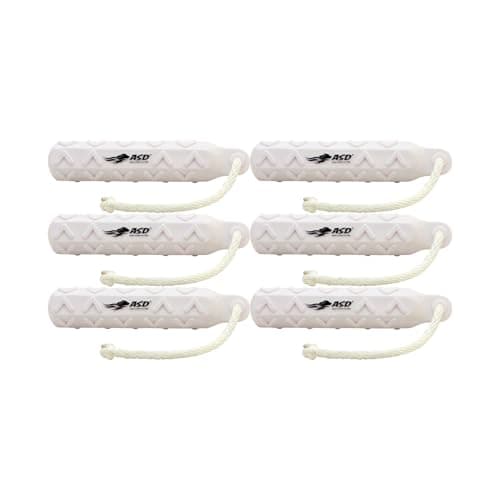
Avery Sporting Dog · Working Dog Gear
Best for: Retriever trainers running daily marking drills who need a durable, visible bumper supply.
$50-150
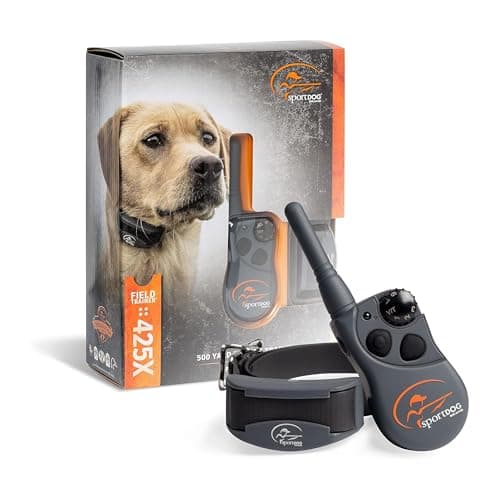
SportDOG · Working Dog Gear
Best for: Upland and waterfowl handlers with close-working dogs who want the standard field e-collar most trainers recommend first.
$150-300
Can the handler control bleeding, protect a paw, remove a tick, and arrange professional care?
A compact kit should be labeled and familiar before the field day. Boots and paw products can support specific conditions but need fit and acclimation.
First-response gear buys time. It does not replace veterinary care.
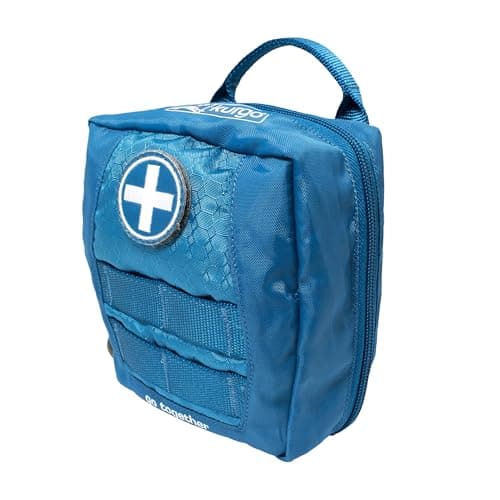
Kurgo · Dog First Aid & Field Care
Best for: The handler who wants one comprehensive, ready-made kit for truck and field.
Under $50
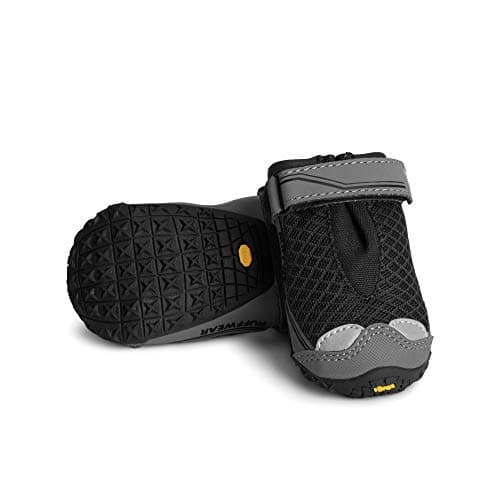
Ruffwear · Dog First Aid & Field Care
Best for: The handler protecting pads on abrasive rock, ice, or hot terrain.
$50-150
Setup FAQ
Not every dog does. GPS earns its cost when cover, range, terrain, or distance can remove visual contact. Reliable training, identification, and practiced recall remain necessary.
Start with labeled supplies for bleeding control, wound covering, paw protection, tick removal, rinsing, and restraint, plus veterinary and emergency contact information. Learn how each item is used before the trip.
No. Start with dog tracking & training only if it solves the first limitation in your current kit. Keep what already works, confirm exact fit before ordering, and add later stages when the field use justifies them.
Each product is already in the researched catalog with a defined best-fit use, documented strengths and tradeoffs, a verified model identity, and an exact-model photograph. The page uses them as practical starting points, not universal winners.
Need a different day?