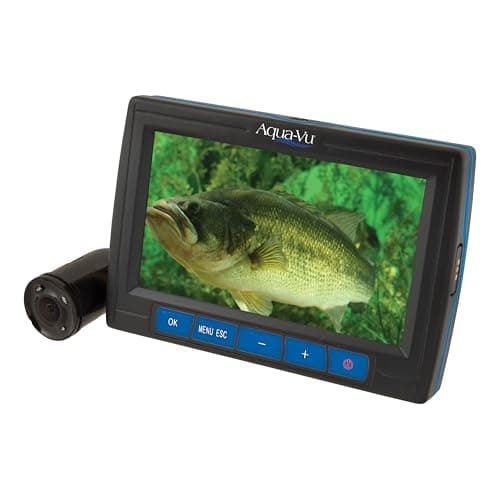
Aqua-Vu · Underwater Cameras
Aqua-Vu Micro Stealth 4.3
Best for: Anglers who want a scouting camera that lives in a coat pocket and deploys in seconds.
$150-300
Ice Fishing field setup
An ice-camera setup for clear water, with sonar context, protected transport, and an efficient hole plan that keeps viewing useful.
4 field decisions · 8 researched starting points · updated July 26, 2026
Before you spend
Built for: Ice anglers deciding whether an underwater camera adds useful habitat and fish-behavior context to an existing sonar routine.
Check these first
Do you need a portable look at one hole or a larger screen for a basecamp?
A compact unit is easier to move and protects itself in a shuttle. A larger monitor makes structure and group viewing easier but adds battery and transport weight.
Screen size cannot overcome poor water clarity or careless cable control.
Aqua-Vu · Underwater Cameras
Best for: Anglers who want a scouting camera that lives in a coat pocket and deploys in seconds.
$150-300
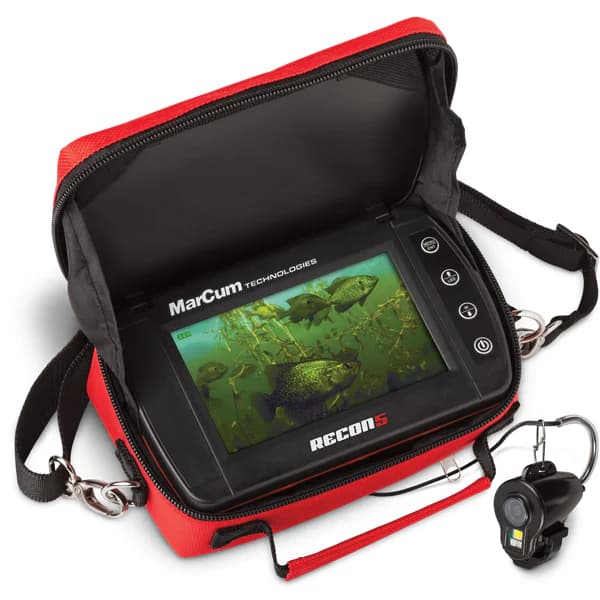
MarCum · Underwater Cameras
Best for: Budget-focused anglers who want a proper underwater camera without crossing into premium pricing.
$150-300
Can depth, bottom, and fish response be checked before deploying the camera?
Sonar is faster for searching multiple holes and works when visibility drops. The camera then confirms bottom type, cover, species, or lure behavior.
Use the camera to answer a specific question, not as a permanent replacement for moving.
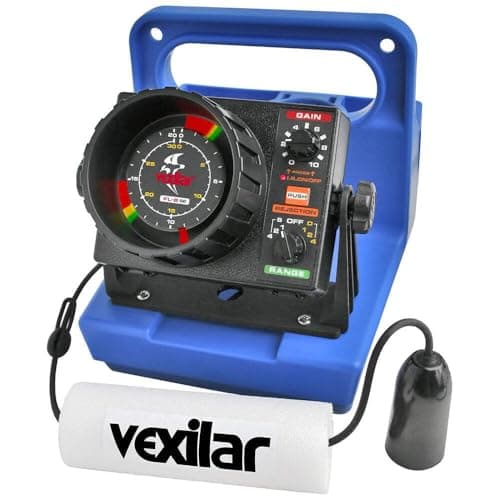
Vexilar · Flashers & Sonar
Best for: Beginners and value-focused anglers who want the time-tested standard that started modern ice sonar.
$300-600
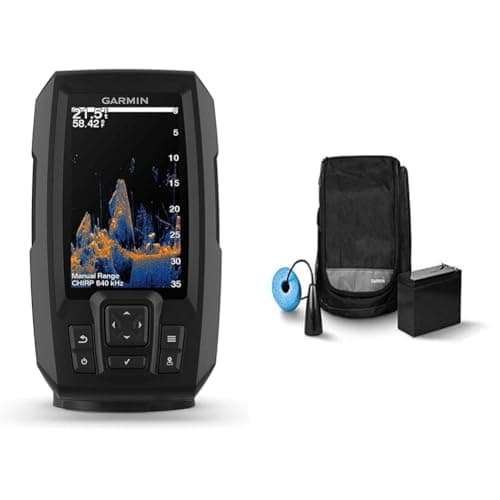
Garmin · Flashers & Sonar
Best for: Budget-minded anglers who want modern CHIRP sonar and GPS in one starter ice package.
$300-600
Will the camera share a fishing hole or use a separate angle?
A separate hole can improve the view and keep cable away from the line, but it adds drilling and another opening to manage. Smaller holes save effort when the camera body fits.
Keep camera cable clear of cutting edges, moving lines, wet foot traffic, and heater clearance.
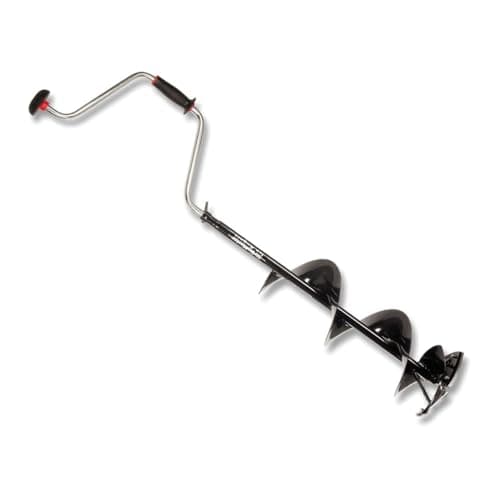
StrikeMaster · Ice Augers
Best for: Early-ice and backcountry anglers, plus anyone fishing waters like the BWCA where power augers are prohibited.
$50-150
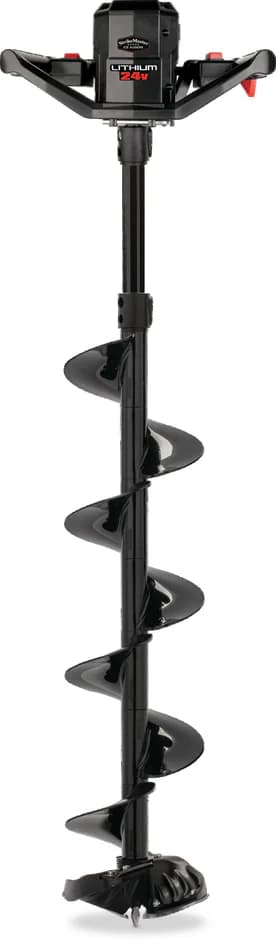
StrikeMaster · Ice Augers
Best for: Mobile panfish and walleye anglers who count ounces but want a true powerhead instead of a drill adapter.
$300-600
Can the screen, battery, and wet cable travel without striking the auger or soaking clothing?
Use a divided sled or fitted case and give wet cable its own space. Keep conservative travel and visibility gear accessible above the electronics load.
Do not bury essential travel gear under camera and sonar cases.
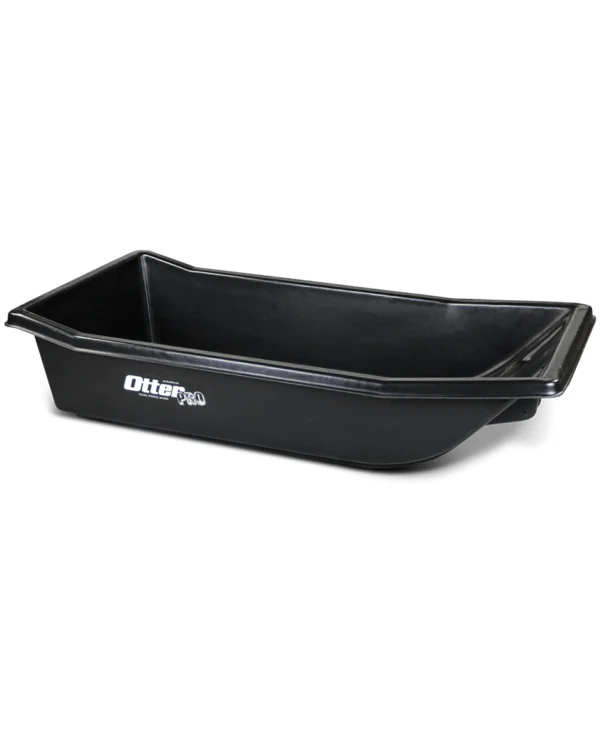
Otter Outdoors · Ice Reference Gear & Sleds
Best for: Snowmobile and ATV towing where a thin sled would be ground away in a season.
$150-300
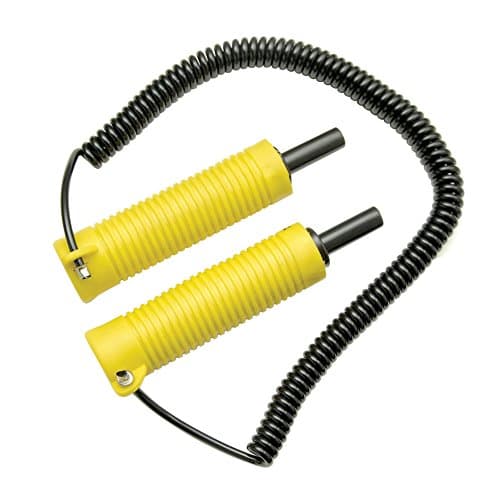
Frabill · Ice Reference Gear & Sleds
Best for: Every angler on hard water who wants a simple self-rescue tool kept within immediate reach.
Under $50
Setup FAQ
Usually not. Sonar checks depth and fish response quickly in almost any visibility. A camera adds direct detail about cover, bottom, species, and lure behavior when water clarity and setup time cooperate.
Useful distance changes with stain, suspended sediment, light, snow cover, and depth. Expect shorter views in dark or dirty water and treat the camera as a close-range tool until the lake proves otherwise.
No. Start with underwater cameras only if it solves the first limitation in your current kit. Keep what already works, confirm exact fit before ordering, and add later stages when the field use justifies them.
Each product is already in the researched catalog with a defined best-fit use, documented strengths and tradeoffs, a verified model identity, and an exact-model photograph. The page uses them as practical starting points, not universal winners.
Need a different day?