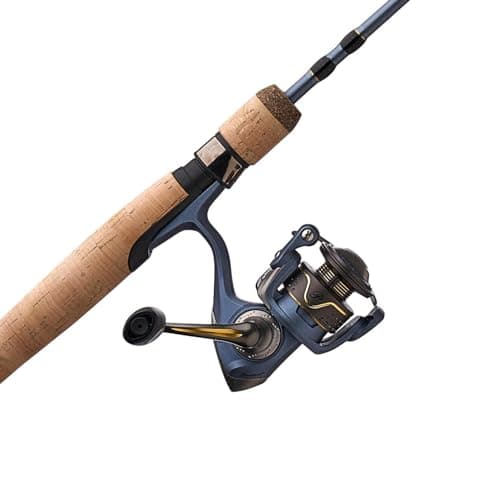
Pflueger · Spinning Combos
Pflueger President Spinning Combo
Best for: The angler stepping up from a box-store combo who wants one dependable do-it-all spinning setup for walleye and panfish.
$50-150
Fishing field setup
A focused walleye setup for jigging, casting, and finding structure without buying a separate rod and box for every presentation.
3 field decisions · 4 researched starting points · updated July 28, 2026
Before you spend
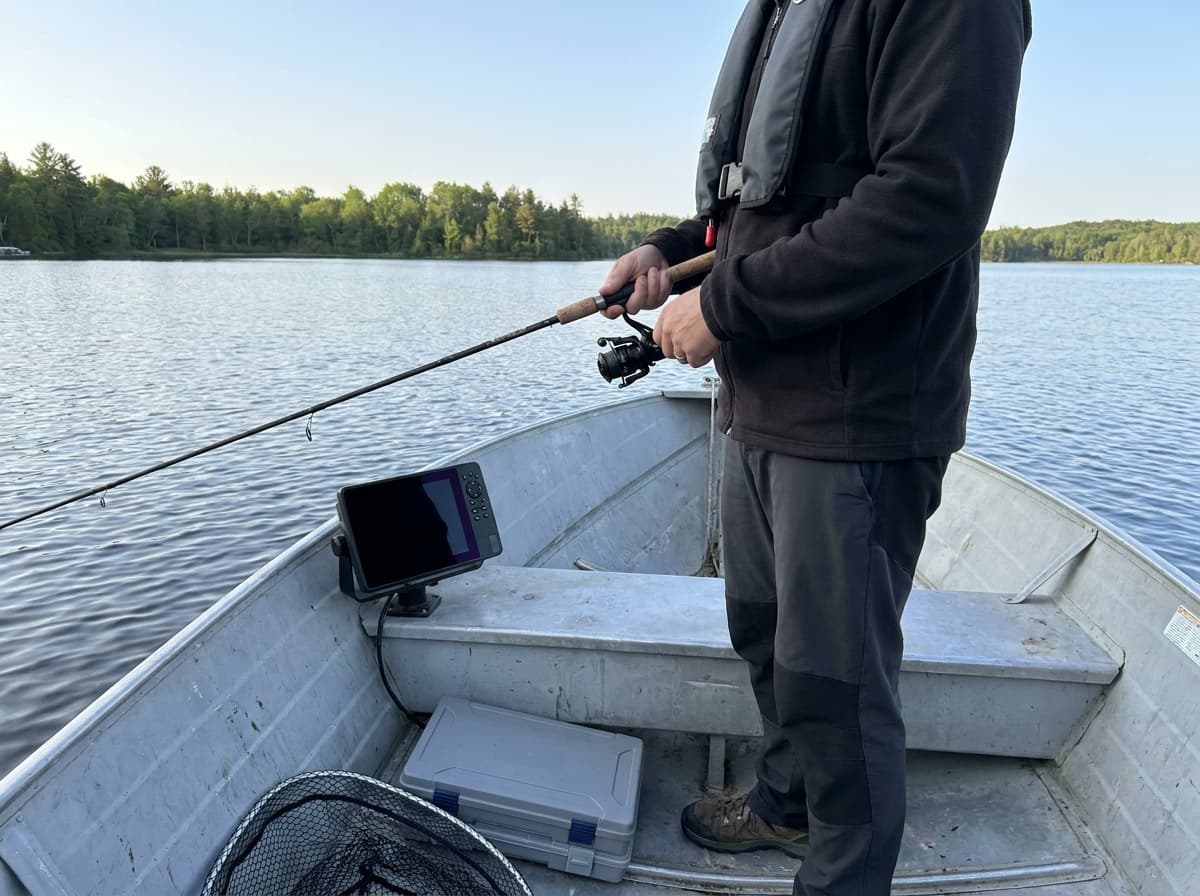
Built for: Anglers who want one dependable open-water system for natural lakes, reservoirs, and moderate river current.
Check these first
Can the rod feel a jig without folding under a hard hookset?
A 6 foot 6 inch to 7 foot medium-light setup is the useful center. It handles live-bait rigs, light jigs, and smaller crankbaits while staying forgiving with light line.
If one rod has to do everything, favor balance and a crisp tip over maximum backbone.
Pflueger · Spinning Combos
Best for: The angler stepping up from a box-store combo who wants one dependable do-it-all spinning setup for walleye and panfish.
$50-150
Are fish holding tight to structure or spread across a flat?
A jig keeps you connected to rock, weed edges, and current seams. A proven crankbait covers water when fish are roaming or suspended.
Change weight or running depth before changing to a completely different lure family.
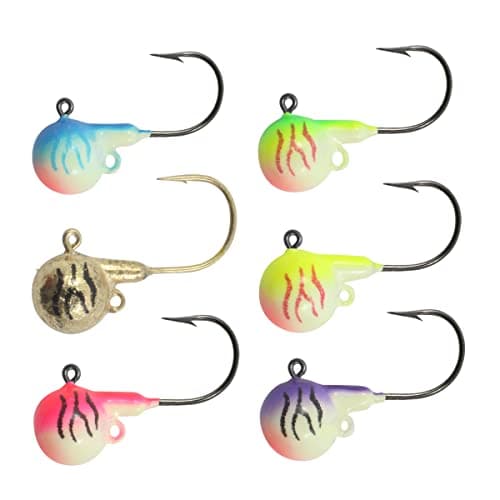
Northland Fishing Tackle · Walleye Lures
Best for: The live bait jigger dragging or pitching minnows on rocks, breaks, and river current seams.
Under $50
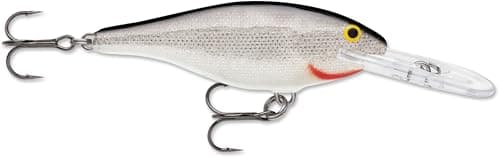
Rapala · Walleye Lures
Best for: The walleye troller or caster who wants the single most proven crankbait profile on natural lakes.
Under $50
Do you need a basic picture or reliable contour mapping?
Walleye fishing gets easier when you can follow breaks and return to isolated structure. A small chartplotter is often a better first upgrade than a larger non-mapping screen.
Choose the mapping system you will actually update and learn, then keep the transducer installation clean.
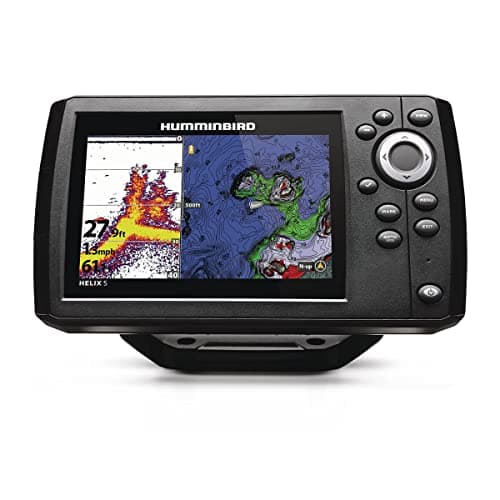
Humminbird · Fish Finders
Best for: The budget-minded angler who insists on real mapping, especially on small unmapped natural lakes.
$300-600
Setup FAQ
A 6 foot 6 inch to 7 foot medium-light spinning rod with a 2000 or 2500 size reel covers most jigging and live-bait work. Step up to medium power when heavier current, larger crankbaits, or trolling are the main job.
A small range of jig weights, a few soft plastics, and two or three crankbaits in different running depths is enough to learn. Build colors and specialty shapes only after local water tells you what is missing.
No. Start with spinning combos only if it solves the first limitation in your current kit. Keep what already works, confirm exact fit before ordering, and add later stages when the field use justifies them.
Each product is already in the researched catalog with a defined best-fit use, documented strengths and tradeoffs, a verified model identity, and an exact-model photograph. The page uses them as practical starting points, not universal winners.
Need a different day?