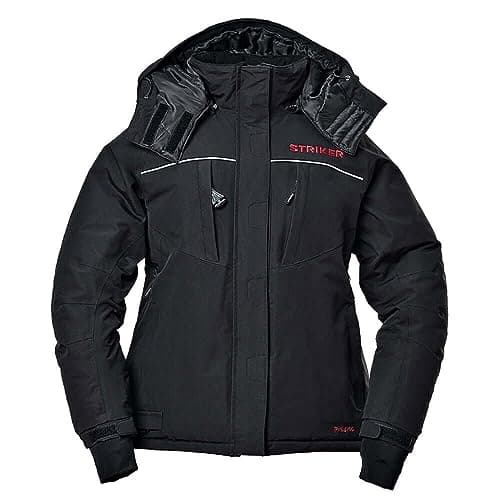
Striker · Float Suits
Striker Women's Prism Jacket
Best for: The leading women's-specific float jacket and bib system on the ice today.
$150-300
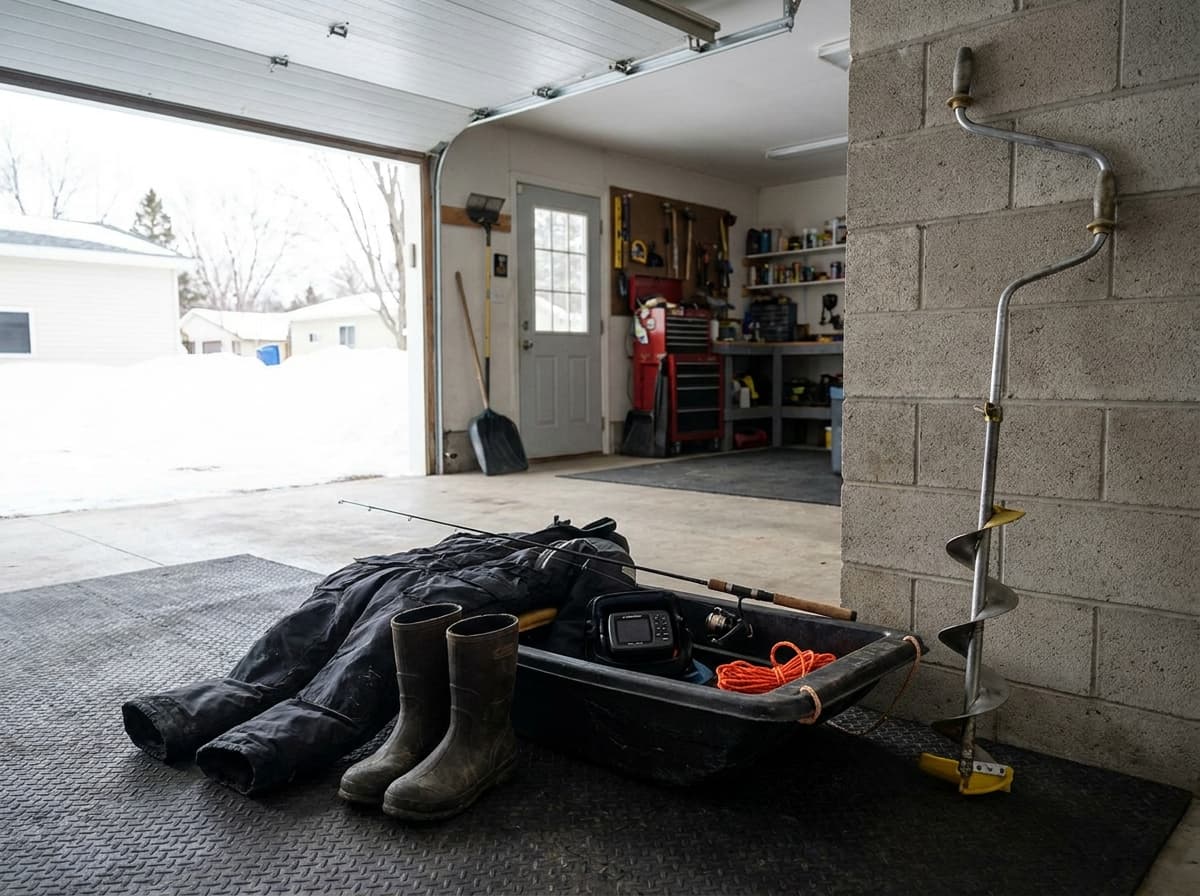
Ice Fishing field setup
A first ice-fishing kit that covers drilling, finding fish, presenting a bait, and staying comfortable without buying the whole aisle.
5 field decisions · 8 researched starting points · updated July 28, 2026
Before you spend
Built for: New hardwater anglers who want a deliberate first kit and clear upgrade points.
Check these first
Can you kneel, drill, and sit without the jacket riding up or the bib binding?
A float-assist suit is part of a larger ice-travel plan. Compare complete fit, warmth, venting, and mobility across men's, women's, and extended-size options.
Try the suit over the exact base and mid layers you will wear.
Striker · Float Suits
Best for: The leading women's-specific float jacket and bib system on the ice today.
$150-300
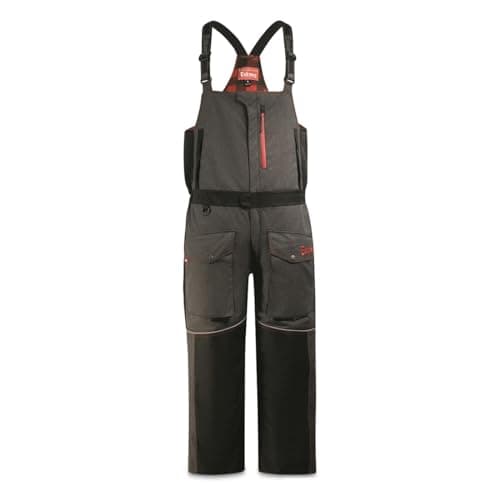
Eskimo · Float Suits
Best for: Value-focused anglers who want real float assist without flagship pricing.
$150-300
How many holes will you drill, and how far will you carry the auger?
A hand auger is inexpensive and dependable for thinner ice and smaller holes. A compact electric unit saves energy when hole count and thickness climb.
An 8-inch hole is the all-around default. Smaller holes drill faster for panfish.
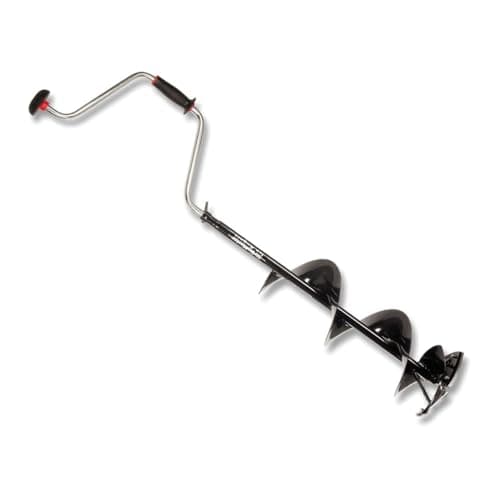
StrikeMaster · Ice Augers
Best for: Early-ice and backcountry anglers, plus anyone fishing waters like the BWCA where power augers are prohibited.
$50-150
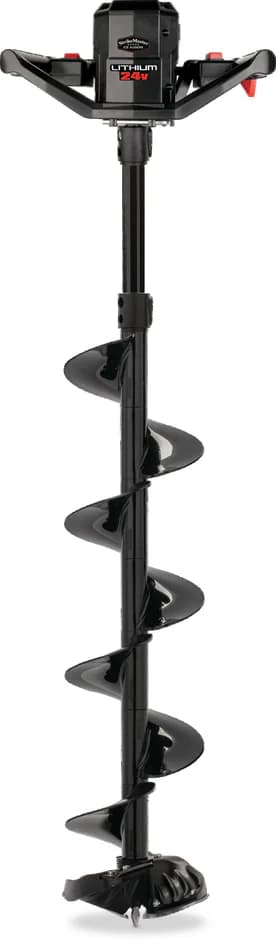
StrikeMaster · Ice Augers
Best for: Mobile panfish and walleye anglers who count ounces but want a true powerhead instead of a drill adapter.
$300-600
Will you jig small baits, set a deadstick, or do both?
A durable light or medium-light rod handles a first season. Add a more sensitive technique-specific rod after you know the lure weights and species you fish most.
Rig and test the reel indoors so line twist and drag are not the first lesson on the lake.
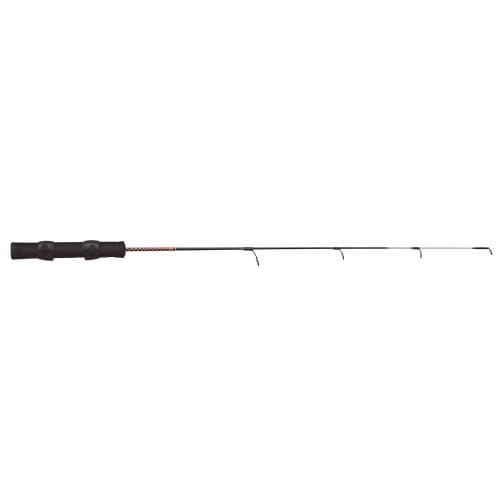
Shakespeare · Ice Rods & Combos
Best for: Loaner buckets, kids, and rental-cabin duty where durability beats finesse.
Under $50
Do you need to see depth and fish response, or simply learn one shallow spot?
An entry flasher gives immediate depth and lure feedback. A compact CHIRP package adds a familiar screen and waypoint capability.
Learn bottom, lure, and fish marks before spending for more modes.
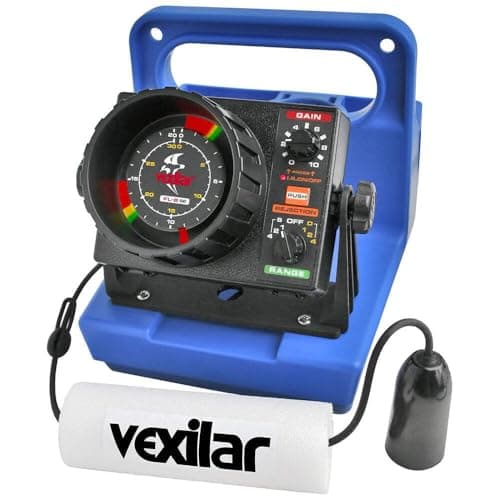
Vexilar · Flashers & Sonar
Best for: Beginners and value-focused anglers who want the time-tested standard that started modern ice sonar.
$300-600
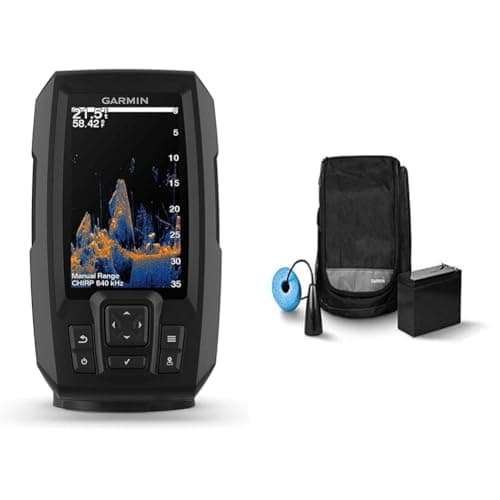
Garmin · Flashers & Sonar
Best for: Budget-minded anglers who want modern CHIRP sonar and GPS in one starter ice package.
$300-600
Do local rules and your fishing area make a second presentation practical?
A basic tip-up expands the spread for walleye or pike, but it also adds bait care, line management, and another hole to watch.
Start with one, mark it clearly, and stay within the attendance rules where you fish.
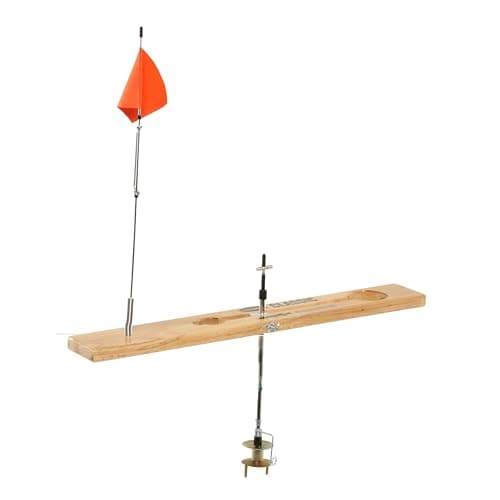
Frabill · Tip-Ups
Best for: Building out a budget flag spread without going to plastic bargain units.
Under $50
Setup FAQ
Start with clothing and traction, a way to verify conditions as you travel, one rod, basic tackle, and access to an auger. Borrow or rent sonar and a shelter until you know how often and how you want to fish.
No. Sonar shortens the learning curve by showing depth, your lure, and fish response, but it is not required to catch fish. Borrowing one for a trip is a good way to decide whether it belongs in the first budget.
No. Start with float suits only if it solves the first limitation in your current kit. Keep what already works, confirm exact fit before ordering, and add later stages when the field use justifies them.
Each product is already in the researched catalog with a defined best-fit use, documented strengths and tradeoffs, a verified model identity, and an exact-model photograph. The page uses them as practical starting points, not universal winners.
Need a different day?