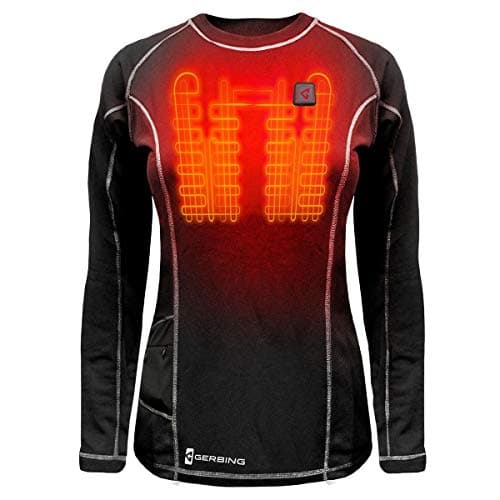
Gerbing · Heated Base Layers
Gerbing 7V Heated Base Layer Shirt
Best for: Cold sitters who want a true next-to-skin heated top under bibs and a float shell.
$150-300
Heated Gear field setup
A battery-heated clothing system organized by layer position, movement, circulation, charging, and the weather shell already in the closet.
4 field decisions · 8 researched starting points · updated July 26, 2026
Before you spend
Built for: Hunters, anglers, property workers, and spectators deciding where active heat adds the most value without duplicating every layer.
Check these first
Will the layer sit close enough to transfer heat without trapping sweat?
Heated base layers work best close to the body under breathable insulation. They are less useful when high activity keeps the layer wet.
Start on low, vent before activity produces moisture, and keep a dry unheated layer available.
Gerbing · Heated Base Layers
Best for: Cold sitters who want a true next-to-skin heated top under bibs and a float shell.
$150-300
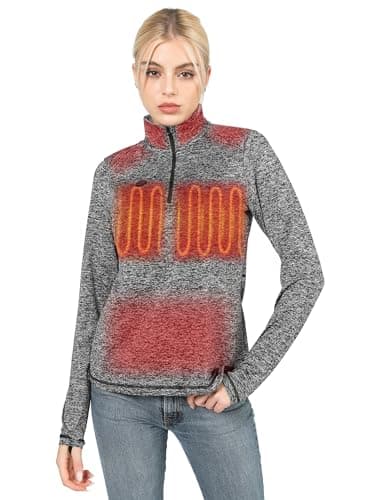
Venture Heat · Heated Base Layers
Best for: Anglers who want a full-core heated shirt under a float suit or bibs.
$50-150
Does a vest fit beneath the existing shell, or must the heated piece handle weather too?
A vest is the flexible center because it warms the torso and layers easily. A jacket earns its place when its cut, insulation, and outer fabric solve another need.
Fit the heated layer with the battery installed and the full shell closed.
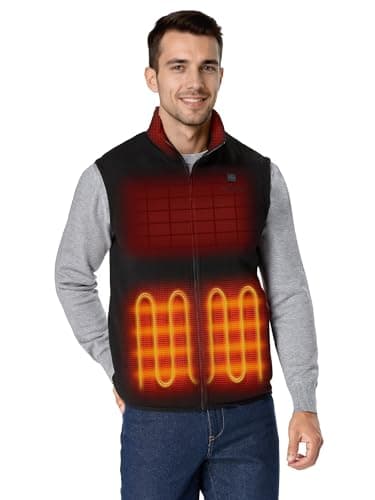
ORORO · Heated Jackets & Vests
Best for: A heated mid-layer that turns any float suit into a heated suit.
$50-150
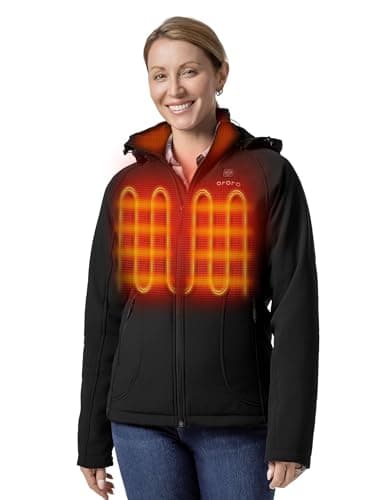
ORORO · Heated Jackets & Vests
Best for: The go-to women's heated jacket under bibs or a float suit shell on the ice.
$150-300
Do hands need fine movement, and do boots have room for heated socks?
Glove liners preserve more dexterity than bulky heated gloves. Heated socks help only when footwear does not compress the foot or heating elements.
Choose fit and battery placement before comparing maximum temperature.
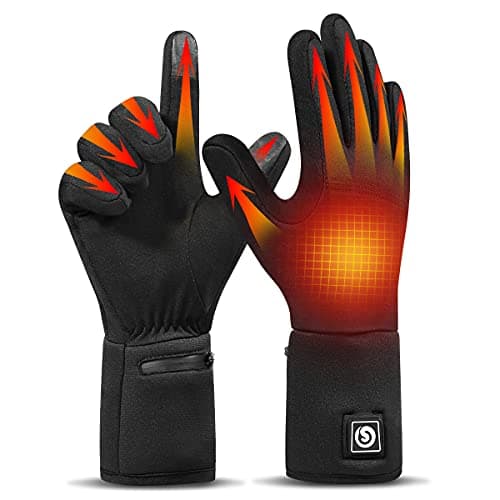
Savior · Heated Gloves & Socks
Best for: Anglers who want active heat without giving up the finger movement needed for controls, knots, and small tackle.
$50-150
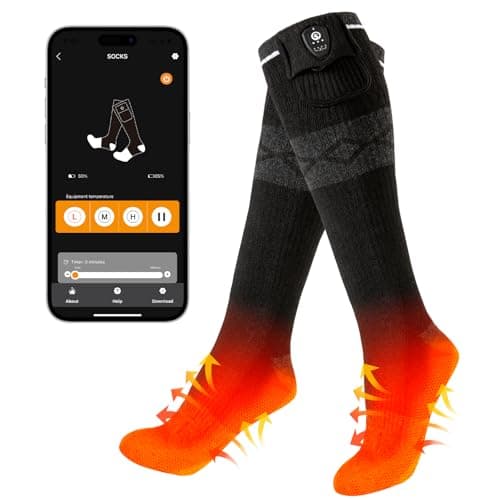
Snow Deer · Heated Gloves & Socks
Best for: All-day sits where digging under bibs to press a sock button gets old by 10 a.m.
$50-150
Can the insole fit without lifting the heel or crowding the toes?
Heated insoles bring warmth into existing footwear but can change fit and gait. Rechargeable designs also add charging and control habits.
Test the full boot, sock, and insole stack while standing and walking.
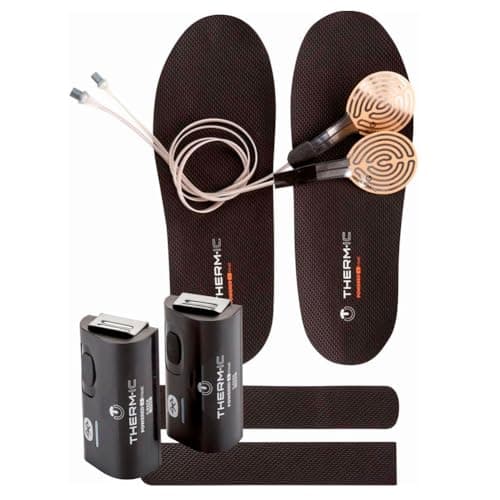
Therm-ic · Heated Insoles
Best for: Ski-boot and pac-boot users who need a low-profile heated insole with app control.
$150-300
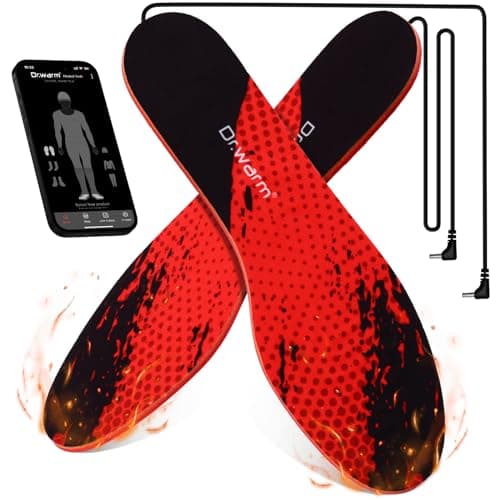
Dr. Warm · Heated Insoles
Best for: Budget buyers who want phone-adjustable heat without stepping up to a premium kit.
$50-150
Setup FAQ
A fitted heated vest is the flexible starting point for many people because it warms the core under an existing shell. Choose gloves, socks, or insoles first only when hands or feet are clearly the limiting problem.
No. Batteries can fail, drain, or be left behind. Heated clothing should sit inside a complete moisture, insulation, and weather-protection system that still works without active heat.
No. Start with heated base layers only if it solves the first limitation in your current kit. Keep what already works, confirm exact fit before ordering, and add later stages when the field use justifies them.
Each product is already in the researched catalog with a defined best-fit use, documented strengths and tradeoffs, a verified model identity, and an exact-model photograph. The page uses them as practical starting points, not universal winners.
Need a different day?