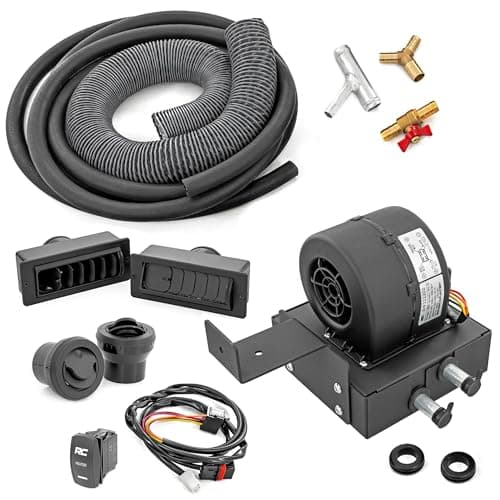
One of our picks
Rough Country Cab Heater for Polaris Ranger XP 1000 (2017-2025)
Best for: Polaris Ranger XP 1000 owners who want a permanent, defrost-capable heat source for cold-season hunting and work.
UTV heaters · defrost · fitment
Browse UTV heaters by exact fitment, heat source, defrosting, electrical or coolant demand, and install complexity.
One of our picks
Best for: Polaris Ranger XP 1000 owners who want a permanent, defrost-capable heat source for cold-season hunting and work.
Research catalog updated
Heat source, defrost, and fitment path
A UTV heater is part of the cab system, not a universal box. Start with the exact machine and enclosure, then compare coolant or electric heat, defrost, vents, battery and charging demand, hose or wire routing, service access, and the installation work the kit actually includes.
Confirm the exact year, model, trim, heater core and ducts, thermostat or valve, defrost vents, hose length, fuse and relay, factory power-bar connection, included hardware, and whether rear heat is part of the kit before ordering.
Coolant heaters use engine heat and need hose routing, a valve or thermostat, coolant, and bleeding. Electric heaters avoid plumbing but add battery, charging, fuse, and relay demand. Match the source to the machine, idle time, enclosure, and service plan instead of assuming one approach fits every cab.
Check whether the exact kit includes windshield defrost ducts, vents, fan controls, and the airflow needed for the front or rear seats. A heater cannot solve a poorly sealed or poorly vented cab on its own, so compare the heater, windshield, doors, roof, and wiper as one weather system.
Price the core, ducts, valve, hoses, clamps, wiring, fuse or relay, factory power-bar connection, drilling, coolant, bleeding, service access, and labor. Read the exact installation manual before checkout so a low kit price does not hide the work needed to make heat and defrost usable.
Official manufacturer resource
Review the official Ranger XP 1000 cab-heater application, included parts, fitment notes, and installation information before matching the heater to the enclosure and windshield.
Check Rough Country fitmentOfficial manufacturer resource
Use the official product page to compare the in-dash heater, coolant circulation, controls, ducting, fitment, and installation requirements for the Ranger XP 1000.
Review SuperATV detailsOfficial manufacturer resource
Start with the factory accessory listing to confirm application, components, defrost coverage, power connections, and the instructions for the exact Ranger family before purchase.
Check Polaris applicationManufacturer resources checked August 9, 2026.
Three places to start
Line up fit, strengths, limitations, and useful specifications before you open a retailer page.
Swipe sideways to compare every model.
| Compare | 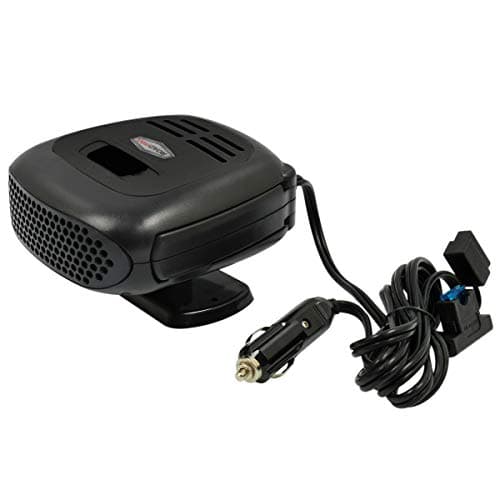 Lower price range Lower price rangeRoadPro 12-Volt Heater Fan and DefrosterRoadPro | Middle price rangeRough Country Cab Heater for Polaris Ranger XP 1000 (2017-2025)Rough Country | 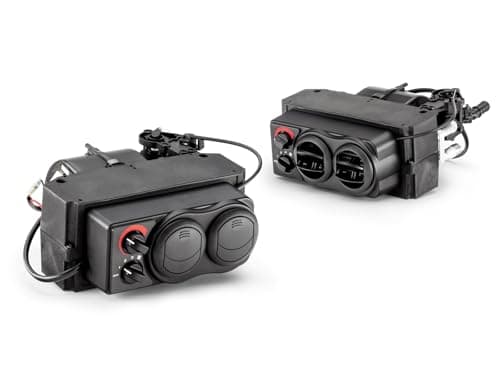 Higher price range Higher price rangeSuperATV Cab Heater for Polaris RangerSuperATV |
|---|---|---|---|
| Price range | Under $50 | $150-300 | $300-600 |
| Best for | A short-range windshield defrost assist when a plumbed coolant heater is not practical. | Polaris Ranger XP 1000 owners who want a permanent, defrost-capable heat source for cold-season hunting and work. | Polaris Ranger owners who want a brand-supported heater with an integrated shutoff valve and defrost. |
| Strong point | No coolant plumbing or permanent heater core installation | Model-specific kit designed to route and mount cleanly on the Ranger XP 1000 | Purpose-built Ranger kit from a major side-by-side accessory brand |
| Watch for | RoadPro specifies it as supplemental heat, not a replacement for a primary cab heater | Fits the Ranger XP 1000 only, so the wrong model or year will not plumb correctly | Confirm the exact Ranger model and year, since SuperATV lists heaters by fitment |
| Fitment | Not specified | Polaris Ranger XP 1000, 2017 to 2025 (verify your exact model and year) | Compatible Polaris Ranger models (verify your exact model and year) |
| System | Not specified | Coolant-fed heater core with cabin and defrost vents | Coolant-fed heater with defrost hoses and vents |
| Next step | Check at AmazonProduct details | Check at AmazonProduct details | Check at AmazonProduct details |
We chose one lower, middle, and higher-priced model from products we researched and matched to a current retailer page. This is a useful starting point, not a ranking.
What to compare
Once you know how and where you will use the gear, the specifications become much easier to compare.
Coolant and electric systems place different demands on plumbing, warmup time, engine heat, battery, and charging output.
Confirm mounting space, hose and wire routing, vents, controls, windshield defrost path, and enclosure compatibility.
Parts, bleeding, fusing, drilling, service access, warranty, and professional labor can change the total cost.
Build around the job
Each system connects utv cab heaters to the other roles that matter in the field. Keep what already works and replace only the weak link.
Shop every activitySportsman Authority picks
Every card tells you who it fits, what it does well, what to watch for, and where to check the current price.
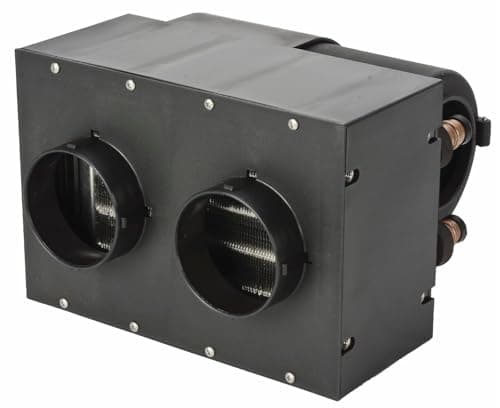
JEGS · UTV Cab Heaters
Best for: Owners of UTVs without a model-specific heater who want strong, affordable cabin heat from a coolant tap-in.
Universal design fits machines that have no model-specific heater kit. The main tradeoff is universal heaters still need a coolant tap and hose routing you supply and plan.
$150-300
RoadPro · UTV Cab Heaters
Best for: A short-range windshield defrost assist when a plumbed coolant heater is not practical.
No coolant plumbing or permanent heater core installation. The main tradeoff is roadPro specifies it as supplemental heat, not a replacement for a primary cab heater.
Under $50
Rough Country · UTV Cab Heaters
Best for: Can-Am Defender HD owners who want an integrated heater and defroster for winter hunting and ranch work.
Cut and plumbed specifically for the Defender HD platform. The main tradeoff is fits the listed Defender HD models and years only.
$300-600
Rough Country · UTV Cab Heaters
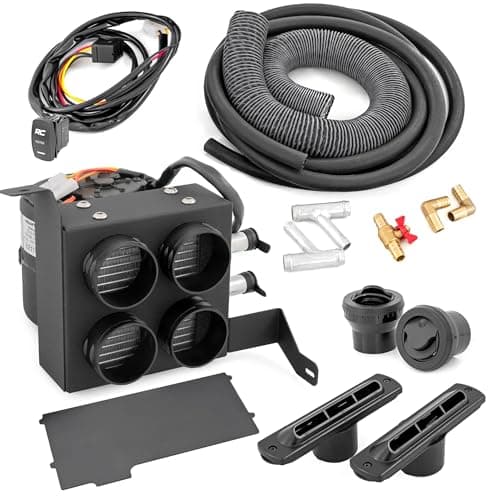
Best for: Polaris Ranger XP 1000 owners who want a permanent, defrost-capable heat source for cold-season hunting and work.
Model-specific kit designed to route and mount cleanly on the Ranger XP 1000. The main tradeoff is fits the Ranger XP 1000 only, so the wrong model or year will not plumb correctly.
$150-300
SuperATV · UTV Cab Heaters
Best for: Polaris Ranger owners who want a brand-supported heater with an integrated shutoff valve and defrost.
Purpose-built Ranger kit from a major side-by-side accessory brand. The main tradeoff is confirm the exact Ranger model and year, since SuperATV lists heaters by fitment.
$300-600
Category FAQ
Choose a coolant heater when the machine, enclosure, and installation can support hose routing, coolant service, a valve or thermostat, and bleeding. Choose electric heat only when the battery, charging system, fuse, relay, and run time support the added load. Compare the complete installation and idle behavior, not only the heat-source label.
Only if the exact heater kit includes defrost ducts and vents that match the windshield, cab, and enclosure. Verify the airflow path, fan controls, wiper clearance, and whether front or rear vents are included before treating a heater as a defrost solution.
A coolant heater can use engine heat while the machine is running, but warm-up, coolant flow, fan controls, and output at low speed vary by engine and kit. Check the manufacturer's instructions and confirm the enclosure and duct system are designed for the way you expect to idle or work.
Plan for the heater core, hoses, valve or thermostat, ducting, vents, clamps, coolant, wiring, fuse or relay, mounting hardware, drilling, bleeding, and service access. Some factory systems use a power bar or dedicated connector, while universal kits may need more wiring and fabrication. Price labor and the exact manual before ordering.