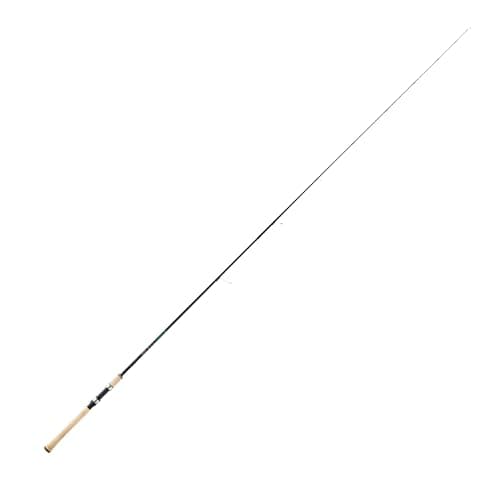
One of our picks
St. Croix Premier Spinning Rod 7'0" Medium Fast
Best for: The angler who wants one do-everything freshwater spinning rod with USA build quality and a trusted warranty.
Spinning rods · length · power
Choose a spinning rod around the cast. Browse spinning rods by length, power, action, lure rating, handle, and transport needs.
One of our picks
Best for: The angler who wants one do-everything freshwater spinning rod with USA build quality and a trusted warranty.
Research catalog updated
Length, power, and action path
A spinning rod sets the range of a complete outfit. Start with the lure weight, target fish, cover, and casting space, then match length, power, action, line rating, grip, piece count, and transport to the way you actually fish.
A rod family can include several lengths, powers, and actions under one name. Confirm the exact model code, lure range, line range, guide layout, piece count, and warranty before treating two listings as the same rod.
List the lures and presentations that will spend the most time on the rod. A light finesse setup, a general bass rod, and an inshore or surf rod create different blank, guide, and backbone demands, so choose around the casting job rather than the species label alone.
Longer rods can add casting distance and line control, while shorter rods are easier around a kayak, dock, or tight bank. Power sets the backbone and action sets how quickly the blank loads and recovers. Match both to lure weight, cover, hook style, and the angler's space.
Pair the rod with a reel that balances in the grip, then add the intended line, leader, backing, lures, case, and spare or travel pieces. Check guides, reel seat, handle length, and the real packed size before choosing the lightest blank on paper.
Official manufacturer resource
Use St. Croix's official Premier collection to compare the freshwater spinning models, SCII carbon, guide layout, cork handle, hook keeper, and model-specific length, power, and action.
Check Premier modelsOfficial manufacturer resource
Review the manufacturer's GX2 construction, Clear Tip, guide coating, reel seat, multi-piece alignment marks, warranty, and the exact configuration selected in the listing.
Check GX2 detailsOfficial manufacturer resource
Use Fenwick's official HMG pages to compare the 30/24-ton graphite blend, titanium guide frames, fitted reel seat, grip, species series, and travel or two-piece options.
Check HMG detailsManufacturer resources checked August 9, 2026.
Three places to start
Line up fit, strengths, limitations, and useful specifications before you open a retailer page.
Swipe sideways to compare every model.
| Compare | 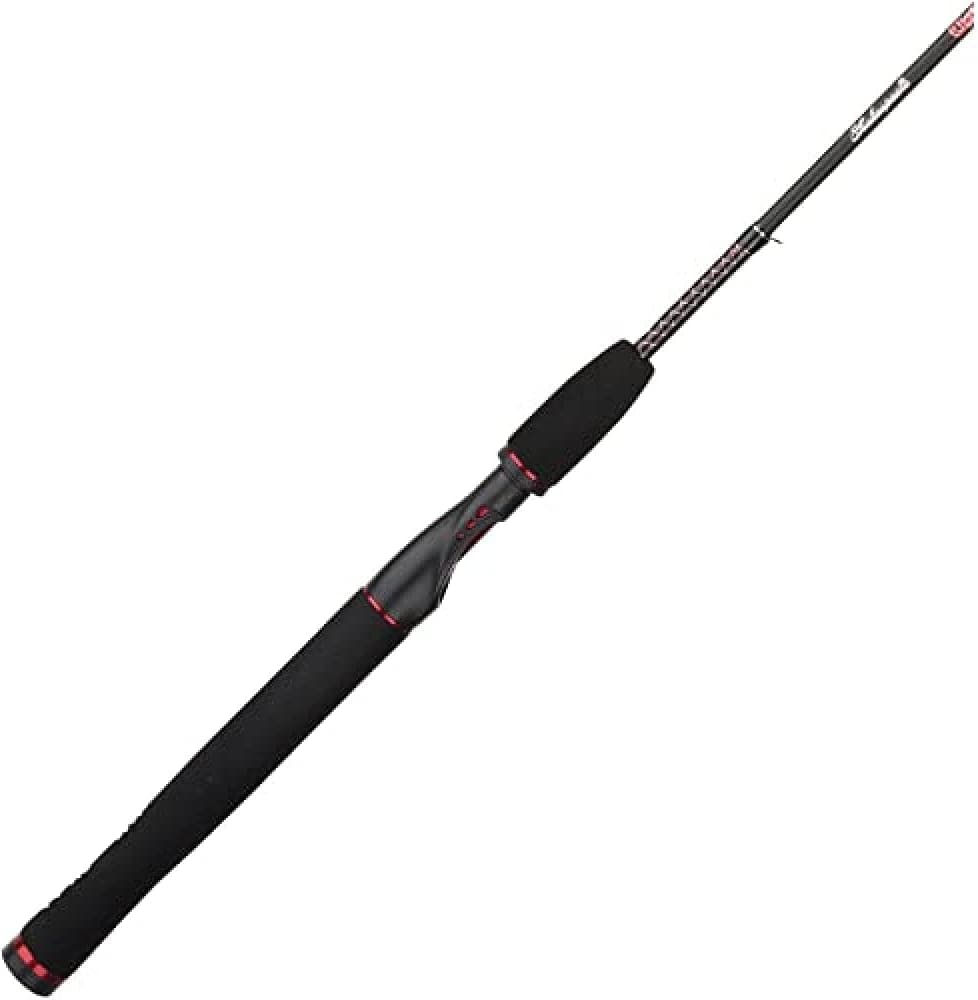 Lower price range Lower price rangeUgly Stik GX2 Spinning Rod 6'0" MediumUgly Stik | 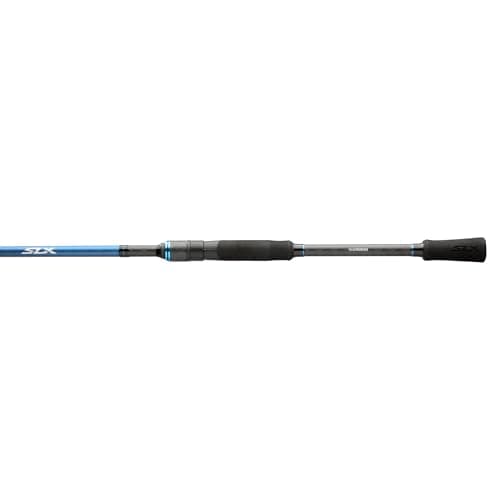 Middle price range Middle price rangeShimano SLX Spinning Rod 7'0" Medium (2-Piece)Shimano | Higher price rangeSt. Croix Premier Spinning Rod 7'0" Medium FastSt. Croix |
|---|---|---|---|
| Price range | Under $50 | $50-150 | $150-300 |
| Best for | The beginner, young angler, or gear-abuser who wants a nearly unbreakable spinning rod for well under fifty dollars. | The bass angler who wants a proven, easy-to-transport workhorse for worms, jigs, and moving baits. | The angler who wants one do-everything freshwater spinning rod with USA build quality and a trusted warranty. |
| Strong point | Near-indestructible graphite and fiberglass blank | Crisp fast graphite blank tuned for bass techniques | USA-built SCII carbon blank delivers strong sensitivity for the price |
| Watch for | Heavier and less sensitive than graphite-only rods | Two-piece ferrule adds a joint that one-piece purists avoid | Costs more than imported all-rounders |
| Length | 6'0" | 7'0" | 7'0" (representative variant, many lengths offered) |
| Power | Medium | Medium | Medium |
| Action | Moderate Fast | Fast | Fast |
| Next step | Check at AmazonProduct details | Check at AmazonProduct details | Check at AmazonProduct details |
We chose one lower, middle, and higher-priced model from products we researched and matched to a current retailer page. This is a useful starting point, not a ranking.
What to compare
Once you know how and where you will use the gear, the specifications become much easier to compare.
Start with lure weight, hook style, cover, and the distance or accuracy the presentation needs.
Power carries the load while action changes casting feel, bite detection, and how the rod sets a hook.
Longer rods add reach and leverage, while shorter or multi-piece rods are easier in kayaks, brush, and vehicles.
Build around the job
Each system connects spinning rods to the other roles that matter in the field. Keep what already works and replace only the weak link.
Shop every activitySportsman Authority picks
Every card tells you who it fits, what it does well, what to watch for, and where to check the current price.
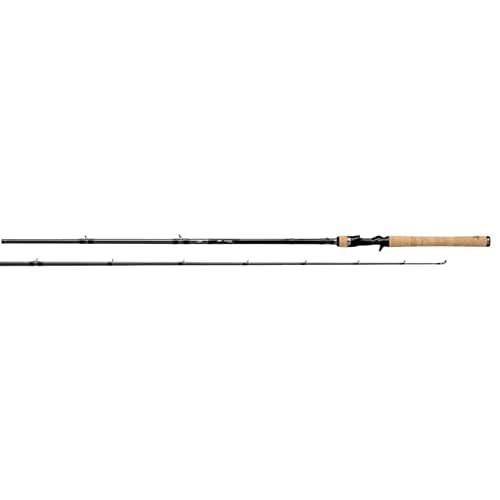
Daiwa · Spinning Rods
Best for: The finesse bass angler throwing drop shot, Ned rig, and shaky head who wants a sensitive dedicated spinning stick.
X45 bias construction is paired with Fuji FazLite guides and a premium cork handle. The main tradeoff is one-piece construction is harder to travel with than a two-piece rod.
$50-150
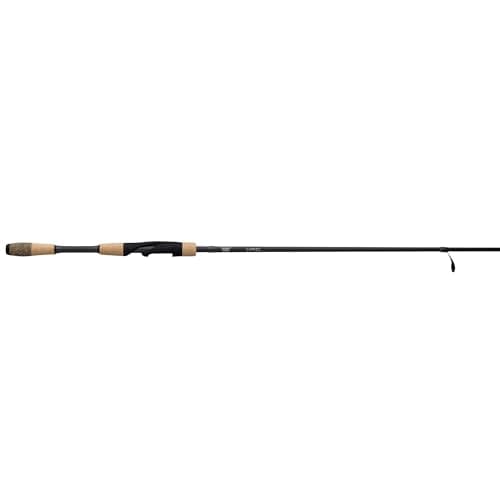
Fenwick · Spinning Rods
Best for: The angler stepping up from budget gear who wants noticeably lighter, more sensitive carbon feel.
HMG carbon blank offers excellent sensitivity and light swing weight. The main tradeoff is costs more than value carbon rods.
$150-300
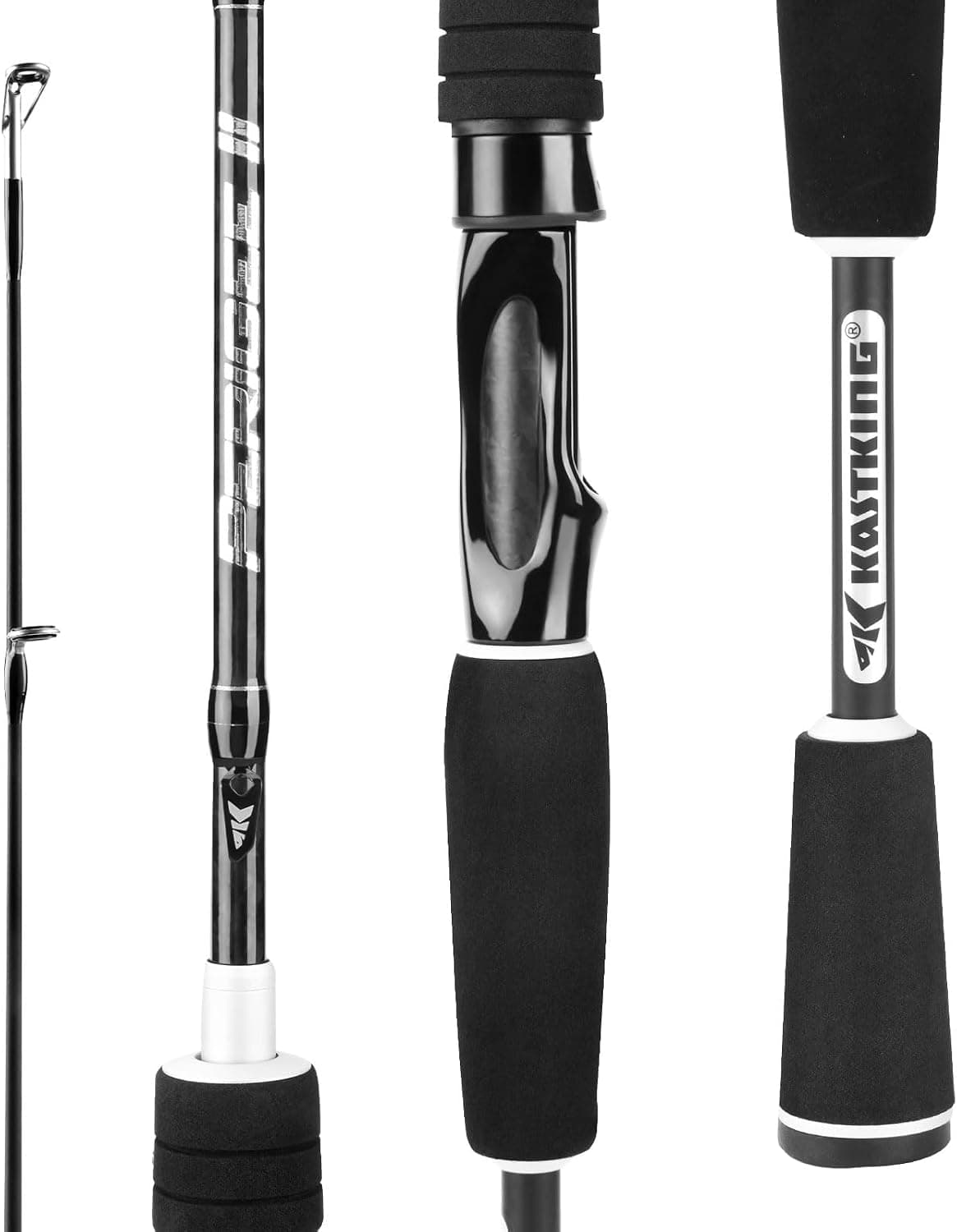
KastKing · Spinning Rods
Best for: The value hunter who wants Fuji-guided carbon performance and two actions in a single affordable rod.
Fuji guides and a carbon blank are rare at this price. The main tradeoff is cork and EVA grip quality trails premium rods.
$50-150
Shimano · Spinning Rods
Best for: The bass angler who wants a proven, easy-to-transport workhorse for worms, jigs, and moving baits.
Crisp fast graphite blank tuned for bass techniques. The main tradeoff is two-piece ferrule adds a joint that one-piece purists avoid.
$50-150
St. Croix · Spinning Rods
Best for: The angler who wants one do-everything freshwater spinning rod with USA build quality and a trusted warranty.
USA-built SCII carbon blank delivers strong sensitivity for the price. The main tradeoff is costs more than imported all-rounders.
$150-300
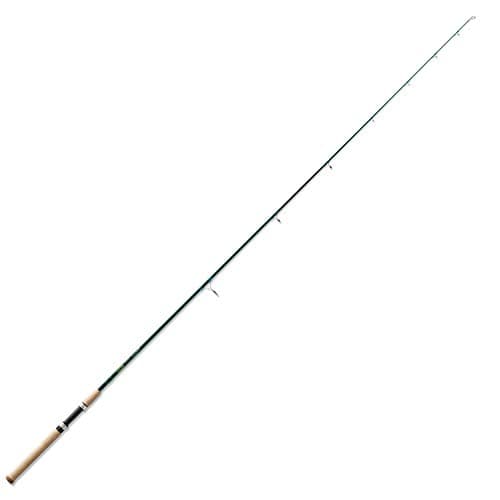
St. Croix · Spinning Rods
Best for: The inshore saltwater angler who wants a USA-built rod with corrosion-resistant hardware for reds, snook, and stripers.
SCII carbon with saltwater-ready corrosion-resistant guides and seat. The main tradeoff is single-piece length is hard to travel with.
$50-150
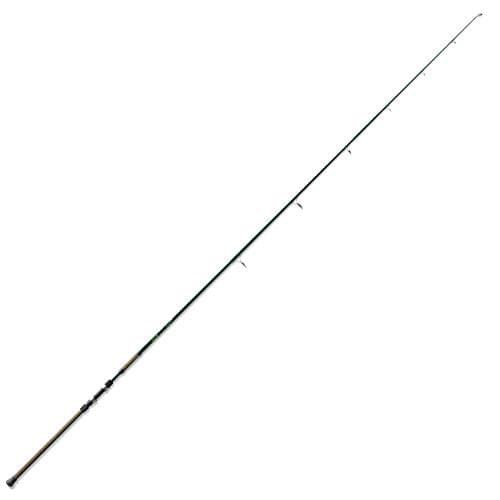
St. Croix · Spinning Rods
Best for: The surf and big-water angler who needs long casting distance for stripers, drum, and sharks from the beach.
Long two-piece blank throws heavy surf rigs and reaches the outer bar. The main tradeoff is too long and powerful for freshwater or boat casting.
$50-150
Ugly Stik · Spinning Rods
Best for: The beginner, young angler, or gear-abuser who wants a nearly unbreakable spinning rod for well under fifty dollars.
Near-indestructible graphite and fiberglass blank. The main tradeoff is heavier and less sensitive than graphite-only rods.
Under $50
Category FAQ
Match power to the lure range, line, cover, and fish rather than choosing by species name alone. Ultralight and light cover small presentations, medium-light handles finesse and lighter general duty, medium covers many bass and walleye setups, and medium-heavy adds backbone for larger lures, current, or cover. Confirm the maker's lure and line chart for the exact model.
Choose length around casting distance, line control, landing space, and storage. A longer rod can help cast and manage line from a bank or boat, while a shorter rod is easier around a kayak, dock, or tight cover. Measure the transport case and the actual casting room before choosing by length alone.
Fast action usually loads and recovers closer to the upper section, which can feel crisp for single-hook presentations, bottom contact, and quick line control. Moderate action bends farther down the blank and can keep a moving bait loaded. Compare the maker's action label with lure weight, hook style, and the way you set the hook.
A one-piece rod usually prioritizes continuous feel and simpler blank construction, while a two-piece or travel rod makes a vehicle, cabin, kayak, or airline case easier. Check the joint, guide alignment, packed length, case, and warranty for the exact model before assuming a travel format gives the same balance.