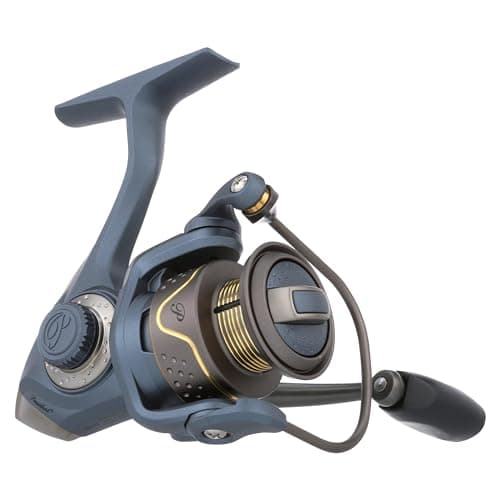
One of our picks
Pflueger President Spinning Reel
Best for: The freshwater angler who wants proven smoothness and durability without paying premium money.
Spinning reels · size · drag
Choose a spinning reel that fits the whole setup. Browse freshwater spinning reels by size, drag, retrieve, weight, and the techniques they need to handle.
One of our picks
Best for: The freshwater angler who wants proven smoothness and durability without paying premium money.
Research catalog updated
Size, drag, and line path
A spinning reel has to balance the rod, carry the line you trust, manage the bail and spool, and keep its drag usable under pressure. Start with the lure, fish, water, and retrieve, then fit size, capacity, body, protection, and maintenance to the real day.
Spinning reel families often group several sizes, gear ratios, retrieves, and drag ratings under one product name. Confirm the exact model number, spool capacity, handle position, weight, and included spool before purchase.
Use the rod, lure, and line range as the starting point. Smaller sizes keep ultralight and finesse outfits comfortable, while mid-size reels add capacity and drag for bass, walleye, and longer casts. A larger spool is not automatically better if it makes the outfit top-heavy or changes the line angle.
Drag rating is only useful when the spool, line, knot, rod, and fish all agree. Check mono and braid capacity for the exact size, then leave room for backing and a leader where needed. Smooth startup matters more than a maximum number that the rest of the setup cannot use.
A lightweight freshwater body can reduce fatigue, while metal or sealed construction can add rigidity and protection in spray. Water resistance is not permission to skip rinsing or service. Follow the maker's maintenance instructions and confirm parts and warranty support before paying for a feature set you will not use.
Official manufacturer resource
Review the official size 20 through 40 lineup for gear ratio, retrieve, drag, mono and braid capacity, bearing count, braid-ready spool, and the Total Line Control system.
Check President modelsOfficial manufacturer resource
Use the official Fuego LT page to compare ZAION V body construction, AIRDRIVE rotor and bail, ATD drag, MagSealed body, Tough Digigear, and the exact specification chart.
Check Fuego LT detailsOfficial manufacturer resource
Review the official Stradic FM technologies and size chart for HAGANE gearing, InfinityXross, InfinityDrive, DuraCross drag, X-Protect, and Anti-Twist Fin line management.
Check Stradic FM modelsManufacturer resources checked August 9, 2026.
Three places to start
Line up fit, strengths, limitations, and useful specifications before you open a retailer page.
Swipe sideways to compare every model.
| Compare | 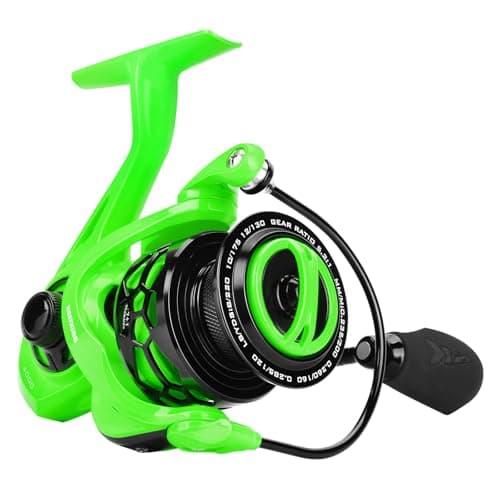 Lower price range Lower price rangeKastKing Zephyr 1000 SFS Spinning ReelKastKing | Middle price rangePflueger President Spinning ReelPflueger | 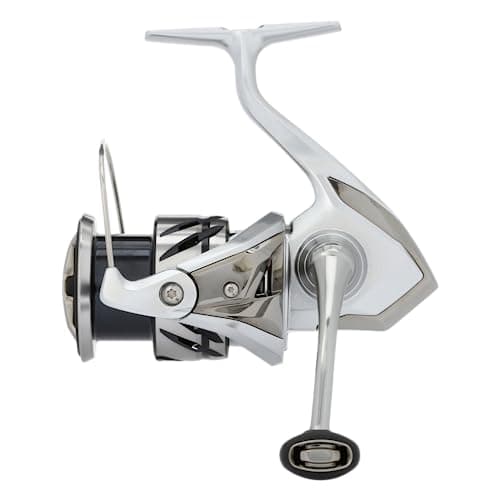 Higher price range Higher price rangeShimano Stradic FMShimano |
|---|---|---|---|
| Price range | Under $50 | $50-150 | $150-300 |
| Best for | The finesse and ultralight angler throwing light braid for panfish, trout, and finesse bass on a tight budget. | The freshwater angler who wants proven smoothness and durability without paying premium money. | The angler who wants one refined do-everything reel for bass, walleye, and light inshore work. |
| Strong point | Very light carbon build made for finesse presentations | A long-running value benchmark that reviewers keep recommending year after year | Long the smoothness benchmark in its class, with InfinityDrive holding cranking power under load |
| Watch for | The carbon body is less rugged than metal for larger fish | The graphite body flexes under heavy saltwater loads | Premium pricing for a midrange reel |
| Drag | Triple-disc carbon fiber drag, up to 10 lb | Sealed oil-felt front drag | DuraCross felt-hybrid front drag, up to 20 lb on larger sizes |
| Bearings | 7+1 stainless steel | 10 total, 9 stainless plus 1 anti-reverse roller | 6+1 shielded stainless |
| Spool | Shallow CNC aluminum Spin Finesse spool, 5.2:1 ratio | Braid-ready machined aluminum spool | Not specified |
| Next step | Check at AmazonProduct details | Check at AmazonProduct details | Check at AmazonProduct details |
We chose one lower, middle, and higher-priced model from products we researched and matched to a current retailer page. This is a useful starting point, not a ranking.
What to compare
Once you know how and where you will use the gear, the specifications become much easier to compare.
Match spool capacity and frame size to the line, rod, species, and presentation instead of buying extra size you will carry all day.
Smooth startup matters on light line, while ratio and handle length change how quickly and comfortably the reel takes up line.
A reel should sit naturally on the intended rod without making the tip or handle feel unnecessarily heavy.
Build around the job
Each system connects spinning reels to the other roles that matter in the field. Keep what already works and replace only the weak link.
Shop every activitySportsman Authority picks
Every card tells you who it fits, what it does well, what to watch for, and where to check the current price.
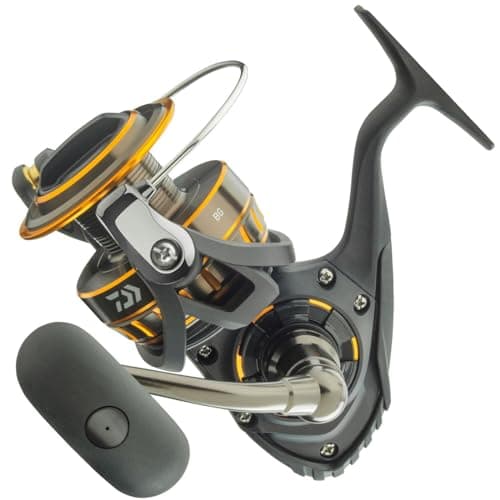
Daiwa · Spinning Reels
Best for: The surf and big-water angler targeting striped bass and other heavy fish who wants a rigid metal reel at midrange money.
Machined aluminum housing is exceptionally rigid for big fish. The main tradeoff is heavier than composite reels of the same capacity.
$150-300
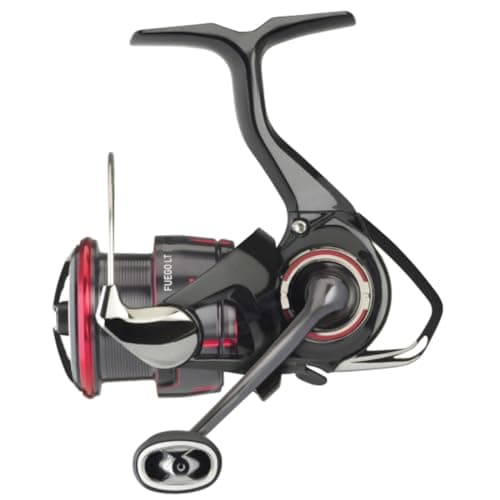
Daiwa · Spinning Reels
Best for: The bass or walleye angler stepping up who wants MagSealed protection and Daiwa's smooth ATD drag around 100 dollars.
MagSealed shaft blocks grit and moisture from the gearbox. The main tradeoff is magSeal makes at-home teardowns more involved.
$50-150
KastKing · Spinning Reels
Best for: The finesse and ultralight angler throwing light braid for panfish, trout, and finesse bass on a tight budget.
Very light carbon build made for finesse presentations. The main tradeoff is the carbon body is less rugged than metal for larger fish.
Under $50
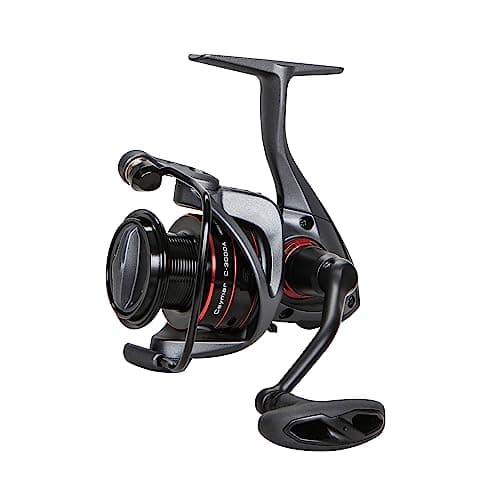
Okuma · Spinning Reels
Best for: The budget-minded panfish and trout angler who wants smooth multi-bearing performance for under 50 dollars.
Eight-bearing smoothness for well under 50 dollars. The main tradeoff is the graphite frame is not built for hard saltwater duty.
Under $50
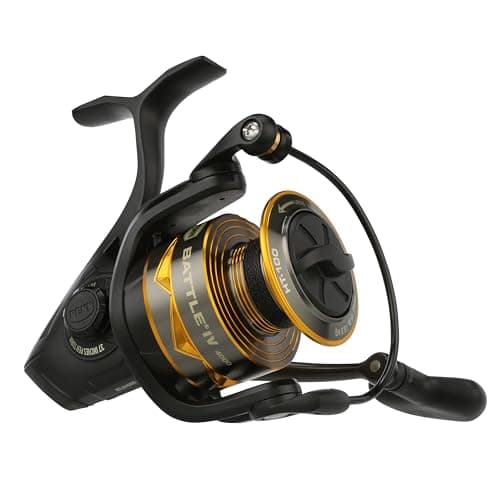
Penn · Spinning Reels
Best for: The inshore angler chasing redfish, snook, and stripers who wants a tough metal-body reel at a fair price.
Full metal body and sideplate absorb inshore abuse. The main tradeoff is heavier than graphite reels of the same size.
$150-300
Pflueger · Spinning Reels
Best for: The freshwater angler who wants proven smoothness and durability without paying premium money.
A long-running value benchmark that reviewers keep recommending year after year. The main tradeoff is the graphite body flexes under heavy saltwater loads.
$50-150
Shimano · Spinning Reels
Best for: The angler who wants one refined do-everything reel for bass, walleye, and light inshore work.
Long the smoothness benchmark in its class, with InfinityDrive holding cranking power under load. The main tradeoff is premium pricing for a midrange reel.
$150-300
Category FAQ
Start with the rod, lure weight, line diameter, and fish pressure. Smaller sizes fit ultralight and finesse outfits, mid-size reels cover much of freshwater bass and walleye fishing, and larger sizes add capacity for heavy line, long casts, surf, or inshore work. Compare the exact manufacturer's capacity and weight instead of treating size numbers as universal across brands.
Choose enough usable drag for the line, knot, rod, and fish, with smooth startup and a spool that holds the line you need. Most anglers do not need to fish at the reel's maximum rating. A balanced drag and correct adjustment matter more than buying the highest number in the category.
Mono is simple and forgiving, while braid adds low stretch, smaller diameter, and capacity but may need a leader and careful spool tension. Match the line, backing, knot, lure, and rod guides to the exact reel. Fill the spool according to the maker's instructions so the bail and line roller can manage the line without loops.
Protection can help when spray, grit, or repeated wet use is part of the job, but no reel is maintenance-free. A sealed or water-resistant body can add confidence and service complexity. Rinse and dry the reel as the maker directs, and confirm the warranty and parts path before choosing protection you cannot maintain.