One of our picks
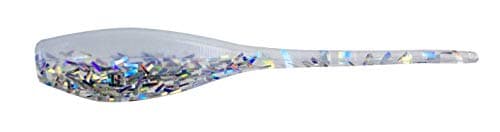
Bobby Garland Baby Shad
Best for: The crappie angler building a core rotation of colors for dock shooting, casting, and slow trolling.
Panfish jigs · crappie · bluegill
Compare compact jigs for crappie, bluegill, and perch across open-water and hardwater presentations.
One of our picks
Best for: The crappie angler building a core rotation of colors for dock shooting, casting, and slow trolling.
Research catalog updated
Weight, hook, and visibility path
A panfish jig has to reach the zone, show a believable profile, and keep its hook and plastic working together. Start with depth, species, water clarity, and movement, then fit weight, hook gap, body size, color, and a storage plan to the presentation.
Small jig families often mix several weights, hook sizes, and body lengths under one color name. Confirm the exact head, hook, plastic, and package before assuming a light jig will fall or sit the way you expect.
Use the lightest head that reaches the fish and stays in contact with the presentation you can control. Current, depth, wind, line diameter, and a float or drop-shot change the fall rate. Tungsten can bring a compact head down faster and transmit bottom or bite feedback, but it is not always the right choice for shallow water.
The hook gap, shank length, keeper, body size, and tail action need to agree. A short panfish hook can preserve a compact profile, while a longer body may need more gap and a different rigging angle. Thread the plastic straight and check the point before fishing a full package.
Natural, contrast, glow, flash, and hair or tinsel each change how a small bait reads in the water. Start with the light and clarity you have, then change one variable at a time. Separate wet plastics, protect hooks, and keep the color or size that produced in its own slot.
Official manufacturer resource
Review the current Bobby Garland line for Baby Shad and related small-body profiles, color options, and the jighead pairings that keep a panfish plastic seated straight.
Check Bobby Garland baitsOfficial manufacturer resource
Use the official Crappie King Fly details to compare 1/16 and 1/8 ounce heads, panfish hook sizes, compact tungsten construction, colors, and the hand-tied feather and tinsel tail.
Check Crappie King optionsOfficial manufacturer resource
Review the kit's soft bodies, Double Cross heads, floats, color range, and storage approach before choosing a broad panfish starter kit.
Check Crappie Magnet kitsManufacturer resources checked August 9, 2026.
Three places to start
Line up fit, strengths, limitations, and useful specifications before you open a retailer page.
Swipe sideways to compare every model.
| Compare | Lower price rangeBobby Garland Baby ShadBobby Garland | 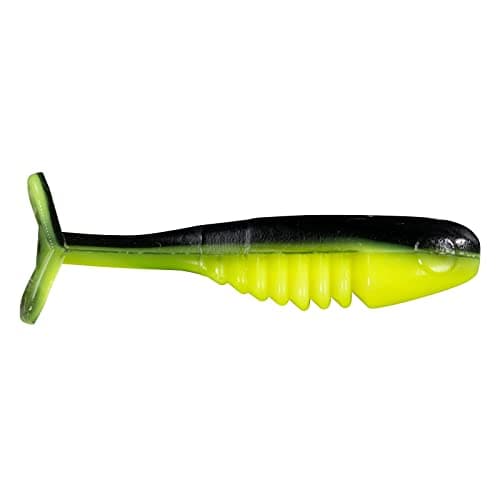 Middle price range Middle price rangeBobby Garland Itty Bit Slab Hunt'RBobby Garland | 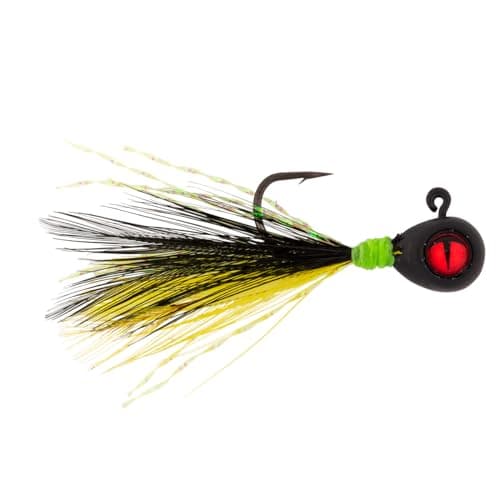 Higher price range Higher price rangeNorthland Tungsten Crappie King Fly JigNorthland Fishing Tackle |
|---|---|---|---|
| Price range | Under $50 | Under $50 | Under $50 |
| Best for | The crappie angler building a core rotation of colors for dock shooting, casting, and slow trolling. | The finesse panfish angler downsizing for clear water, cold fronts, and heavily pressured fisheries. | The float-and-fly or vertical angler who wants tungsten performance in open water panfishing. |
| Strong point | The single best-known crappie plastic in America | Rescues tough bites when pressured crappie refuse full-size plastics | Tungsten drops fast and telegraphs light bites better than lead |
| Watch for | Soft plastic tears up after a few fish | Tiny bait demands light line and ultralight heads to fish correctly | Two jigs per pack makes losses expensive versus lead |
| Length | 2 in soft plastic body | 1 1/4 in downsized finesse profile | Not specified |
| Pack | 18 baits per pack | Not specified | 2 jigs per pack |
| Rigging | Pairs with 1/32 to 1/16 oz jigheads | Made for Itty Bit series jigheads in the 1/48 to 1/32 oz range | Not specified |
| Next step | Check at AmazonProduct details | Check at AmazonProduct details | Check at AmazonProduct details |
We chose one lower, middle, and higher-priced model from products we researched and matched to a current retailer page. This is a useful starting point, not a ranking.
What to compare
Once you know how and where you will use the gear, the specifications become much easier to compare.
Head weight controls depth and cadence, but the lightest useful jig often shows the most natural movement.
Gap, shank length, keeper style, and bait size should work together without crowding the point.
Use profile, glow, and contrast deliberately around depth, stain, snow cover, and available light.
Build around the job
Each system connects panfish jigs to the other roles that matter in the field. Keep what already works and replace only the weak link.
Shop every activitySportsman Authority picks
Every card tells you who it fits, what it does well, what to watch for, and where to check the current price.
Bobby Garland · Panfish Jigs
Best for: The crappie angler building a core rotation of colors for dock shooting, casting, and slow trolling.
The single best-known crappie plastic in America. The main tradeoff is soft plastic tears up after a few fish.
Under $50
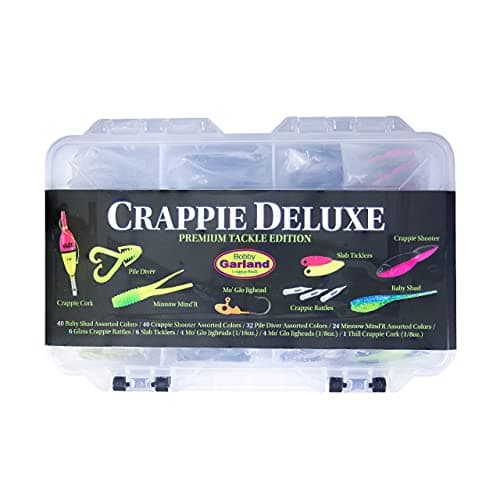
Bobby Garland · Panfish Jigs
Best for: The new or gifting-focused buyer who wants the whole Bobby Garland system in one box.
One purchase covers plastics, heads, and colors for a full season of learning. The main tradeoff is assortment includes colors that will sit unused in some regions.
Under $50
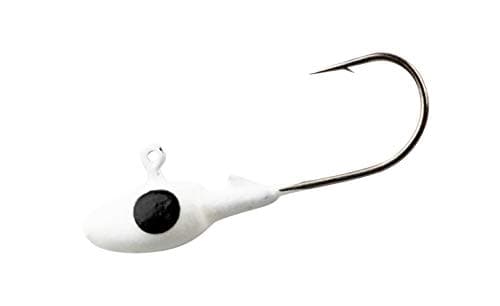
Bobby Garland · Panfish Jigs
Best for: The plastics angler who wants a matched jighead system for low-light and dirty-water crappie.
Glow finish extends the bite into dawn, dusk, and stained water. The main tradeoff is the smallest Bobby Garland baits need a more specialized head.
Under $50
Bobby Garland · Panfish Jigs
Best for: The finesse panfish angler downsizing for clear water, cold fronts, and heavily pressured fisheries.
Rescues tough bites when pressured crappie refuse full-size plastics. The main tradeoff is tiny bait demands light line and ultralight heads to fish correctly.
Under $50
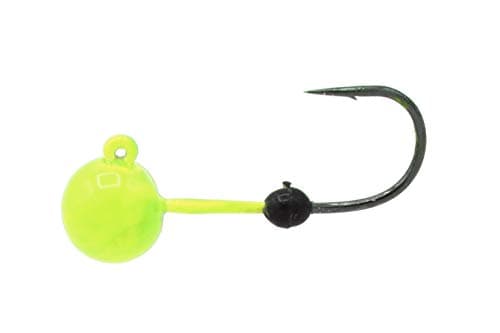
Eurotackle · Panfish Jigs
Best for: The micro-plastics specialist fishing 1 in baits for bluegill and pressured crappie.
Keeper design solves the constant plastic-sliding problem on micro baits. The main tradeoff is micro hook gap limits it on bigger crappie and bonus bass.
Under $50
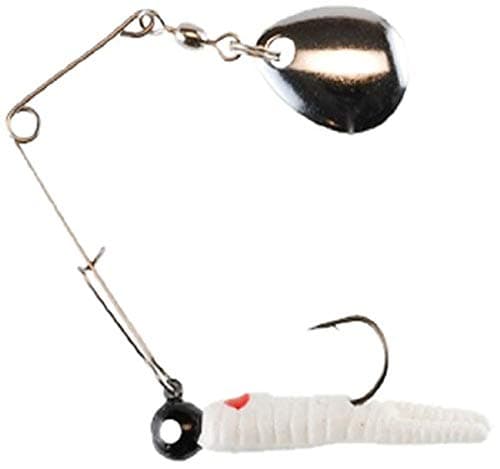
Johnson · Panfish Jigs
Best for: The pond and creek angler covering water for bluegill, crappie, and bonus bass with one lure.
Sixty-plus years of catching everything that swims in a farm pond. The main tradeoff is wire arm bends out of tune with rough handling.
Under $50
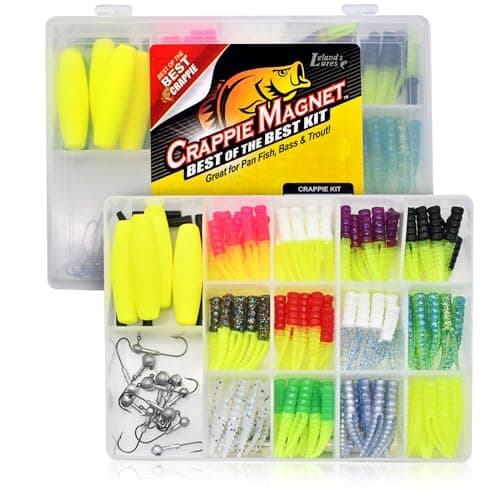
Leland Lures · Panfish Jigs
Best for: The bank or dock angler who fishes slow and vertical and wants a complete cheap system to start.
Cult-following system with a simple learning curve. The main tradeoff is bodies are less durable than premium plastics.
Under $50
Northland Fishing Tackle · Panfish Jigs
Best for: The float-and-fly or vertical angler who wants tungsten performance in open water panfishing.
Tungsten drops fast and telegraphs light bites better than lead. The main tradeoff is two jigs per pack makes losses expensive versus lead.
Under $50
Category FAQ
Start with the lightest jig that reaches the depth and stays connected to the presentation you can control. Depth, current, wind, line diameter, a float, and whether you cast or drop vertically all change the useful weight. Test the fall and bottom contact with the exact plastic and line before carrying a whole range.
Match the hook gap and shank to the body length, tail action, and keeper. The plastic should sit straight without covering the point or folding at the head. A compact body can pair with a small hook for crappie and bluegill, while a longer body needs enough gap to keep the point clear.
Tungsten can make a compact jig fall faster and transmit contact more directly, while lead remains a practical choice for a slower fall, shallow water, and lower cost. Match the head material to depth, fish mood, the size you need, and the feedback you can use rather than treating one material as always better.
Use natural and lower-contrast colors as a starting point in clear light water, then add contrast, glow, flash, or brighter colors when stain, depth, cloud cover, or low light reduces visibility. Change one variable at a time and keep the body profile and fall rate consistent while you learn what the fish are responding to.