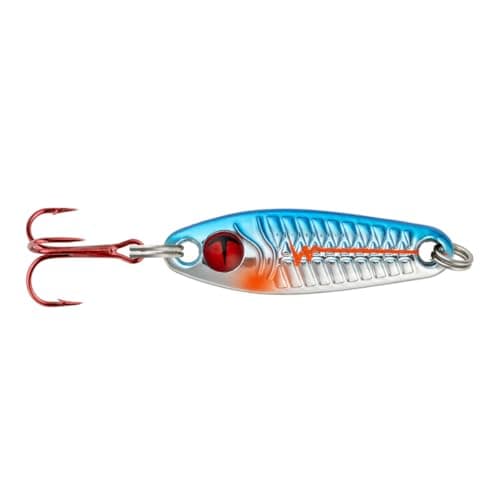
One of our picks
Northland Tungsten Buck-Shot Rattle Spoon
Best for: Buck-Shot loyalists fishing deeper basins who want a quicker reset.
Ice Fishing · 8 researched picks plus current listings
Compare hardwater tackle systems by species, depth, fall rate, storage, visibility, and the cadence they produce.
One of our picks
Best for: Buck-Shot loyalists fishing deeper basins who want a quicker reset.
Research catalog updated
Three places to start
Line up fit, strengths, limitations, and useful specifications before you open a retailer page.
Swipe sideways to compare every model.
| Compare | 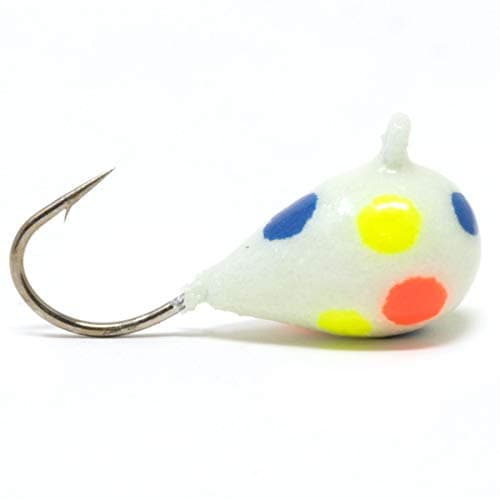 Lower price range Lower price rangeClam Pro Tackle Drop JigClam Pro Tackle | Middle price rangeNorthland Tungsten Buck-Shot Rattle SpoonNorthland | 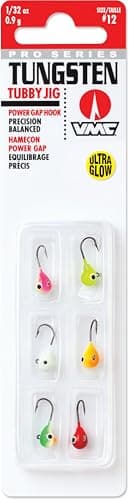 Higher price range Higher price rangeVMC Tungsten Tubby JigVMC |
|---|---|---|---|
| Price range | Under $50 | Under $50 | Under $50 |
| Best for | A fast-sinking compact presentation for panfish, perch, and other fish that respond to a 45-degree jig posture. | Buck-Shot loyalists fishing deeper basins who want a quicker reset. | Everyday tungsten workhorse for panfish anglers fishing plastics or spikes. |
| Strong point | Dense tungsten creates a compact profile with a fast sink rate | Classic Buck-Shot sound with a smaller, denser profile | Staple tungsten panfish jig stocked in nearly every ice shop |
| Watch for | The fixed 45-degree posture is less neutral than a horizontal presentation | Costs noticeably more than the original lead version | Costs several times more per jig than lead |
| Material | Tungsten body | Tungsten construction of the classic Buck-Shot | Tungsten body for maximum weight in a tiny profile |
| Next step | Check at AmazonProduct details | Check at AmazonProduct details | Check at AmazonProduct details |
We chose one lower, middle, and higher-priced model from products we researched and matched to a current retailer page. This is a useful starting point, not a ranking.
What to compare
Once you know how and where you will use the gear, the specifications become much easier to compare.
Match weight, profile, and hook gap to the bait, line, depth, and fish response you expect.
Use brightness as a controlled variable around stain, depth, snow cover, and available light.
A compact box should separate small hooks, protect finishes, and stay usable with cold fingers or gloves.
Build around the job
Each system connects ice tackle to the other roles that matter in the field. Keep what already works and replace only the weak link.
Shop every activitySportsman Authority picks
Every card tells you who it fits, what it does well, what to watch for, and where to check the current price.
Clam Pro Tackle · Ice Tackle
Best for: A fast-sinking compact presentation for panfish, perch, and other fish that respond to a 45-degree jig posture.
Dense tungsten creates a compact profile with a fast sink rate. The main tradeoff is the fixed 45-degree posture is less neutral than a horizontal presentation.
Under $50
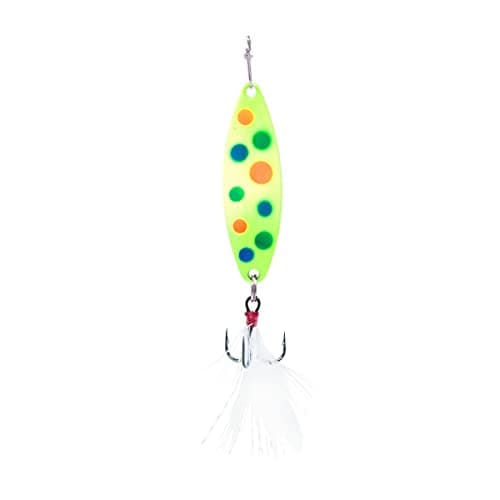
Clam Pro Tackle · Ice Tackle
Best for: Finesse spooning over basin crappie and mid-depth walleye when the fall is the trigger.
Slow flutter keeps the lure visible to suspended and hesitant fish. The main tradeoff is slow flutter takes a long time to reach deep water.
Under $50
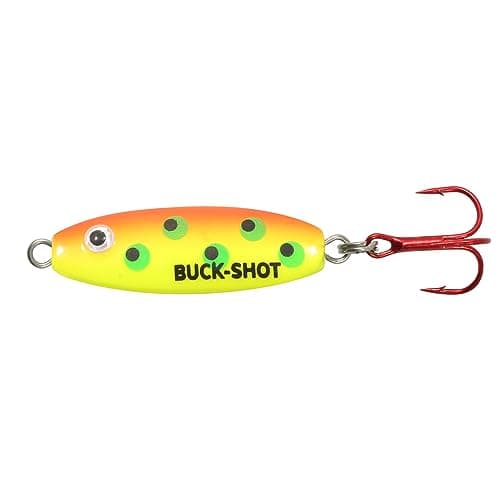
Northland · Ice Tackle
Best for: Low-light walleye windows on stained flats where sound brings the school in.
One of the most proven calling spoons in ice fishing. The main tradeoff is pressured, clear-water fish sometimes rise to the rattle and refuse it.
Under $50
Northland · Ice Tackle
Best for: Buck-Shot loyalists fishing deeper basins who want a quicker reset.
Classic Buck-Shot sound with a smaller, denser profile. The main tradeoff is costs noticeably more than the original lead version.
Under $50
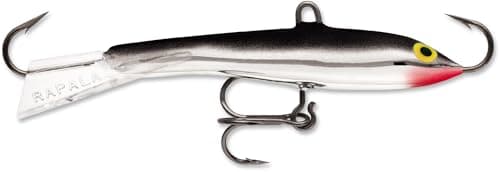
Rapala · Ice Tackle
Best for: The first lure down the hole to find and trigger active walleye and perch.
The defining search bait of modern ice fishing. The main tradeoff is belly treble is prone to fouling the line on aggressive snaps.
Under $50
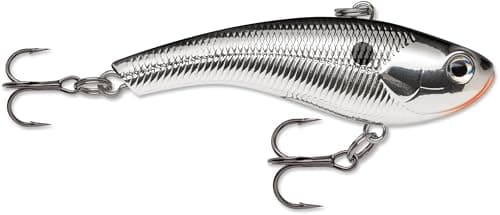
Rapala · Ice Tackle
Best for: Rotation bait when fish rise to a Jigging Rap but refuse to commit.
Different cadence from the Jigging Rap when fish get conditioned. The main tradeoff is erratic action takes practice to control on a tight sonar screen.
Under $50
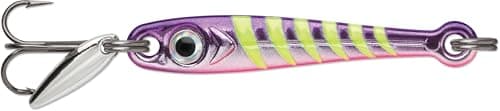
VMC · Ice Tackle
Best for: Deep-water perch and walleye schools where reset speed decides your catch rate.
Tungsten density gets back down to schooling fish faster than lead spoons. The main tradeoff is new release, so color availability is thinner than established spoons.
Under $50
VMC · Ice Tackle
Best for: Everyday tungsten workhorse for panfish anglers fishing plastics or spikes.
Staple tungsten panfish jig stocked in nearly every ice shop. The main tradeoff is costs several times more per jig than lead.
Under $50
More gear to browse
These are current Amazon listings with exact listing photos. They are not Sportsman Authority picks until we have reviewed them.
Current retailer listingsRefreshed when you browse
These broader results stay out of the way until you reach them. They are retailer listings, not Sportsman Authority picks.
Category FAQ
Compare hardwater tackle systems by species, depth, fall rate, storage, visibility, and the cadence they produce. Start with the condition that can rule an option out, then compare presentation, color and glow, and organization and price in that order.
Match weight, profile, and hook gap to the bait, line, depth, and fish response you expect. That choice usually removes more bad fits than a longer feature list.
Use brightness as a controlled variable around stain, depth, snow cover, and available light. A spec sheet is useful only when it reflects the way the gear will actually be handled.
A compact box should separate small hooks, protect finishes, and stay usable with cold fingers or gloves. Compare price after this is settled, not before.